Soil vs Substrate — Key Differences Explained

 Learn what soil means for plant growing, what substrates are made of, and how they differ in structure and function. See when substrate beats soil, examples of common substrates, how to choose between them, and how to combine both effectively.
Choosing between garden soil and potting mix can mean the difference between smooth growth and constant troubleshooting. Both anchor roots, but they differ in drainage, nutrient balance, texture, and how they hold and release water over time. Knowing when to use each helps prevent soggy containers, compacted roots, slow growth, and wasted fertilizer, so plants stay healthier indoors or out.
Quick takeaway: Use natural soil for in-ground planting and long-term outdoor growing, and choose a structured substrate for pots, propagation, indoor plants, and any setup where drainage and root aeration matter most.
What soil is in plant growing terms

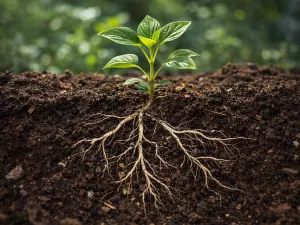
In horticulture, soil means the naturally formed material that plants root into outdoors: a mix of mineral particles (sand, silt, clay), organic matter, water, air, and a living community of microbes and small organisms. It isn’t just “dirt”—it’s a dynamic system that stores nutrients, drains excess water, and still holds enough moisture for roots to keep working.
A practical way to think about it is that soil is both a physical structure and a biological habitat. The structure creates pores: larger pores help oxygen reach roots and let water drain; smaller pores hold water between irrigations or rain. Meanwhile, biology breaks down organic residues and helps cycle nutrients into forms plants can absorb.
- Mineral fraction: Sand, silt, and clay determine texture and influence drainage and water-holding capacity.
- Organic matter: Decomposed plant/animal material improves crumb structure, supports microbes, and buffers nutrients.
- Soil solution: Water with dissolved nutrients; this is what roots actually “drink.”
- Soil air: Oxygen in pore spaces is essential for root respiration; constantly waterlogged ground suffocates roots.
- Soil life: Bacteria, fungi, earthworms, and others drive decomposition, aggregation, and nutrient cycling.
Gardeners often judge soil by how it behaves: does it crust, compact, drain too fast, or stay soggy? Those behaviors come from texture, aggregation (how particles clump into stable crumbs), and organic content. For example, clay-heavy ground can hold lots of water but may drain slowly if compacted; sandy ground drains quickly but can lose nutrients faster unless organic matter is built up. If you want to go deeper into aggregation, pore space, and compaction, read this soil structure guide.
| Soil component / property | What it does for plants |
|---|---|
| Texture (sand–silt–clay balance) | Sets baseline drainage, water storage, and how easily roots penetrate. |
| Structure (aggregation, pore network) | Controls aeration and infiltration; good structure reduces compaction and improves root health. |
| Organic matter level | Improves moisture retention and nutrient buffering; supports beneficial biology. |
| pH and buffering capacity | Affects nutrient availability; extremes can lock up key elements even if they’re present. |
| Biological activity | Drives nutrient cycling and can suppress some diseases through competition and diversity. |
In plant-growing conversations, “soil” usually implies this natural, mineral-based medium with its own structure and ecology. That’s why it behaves differently from many bagged mixes: it can be improved over time, but it can also vary widely from one yard to the next depending on geology, climate, and how it’s been managed.
What substrates are made of

Most growing media used in pots, hydroponics, or propagation are built from selected ingredients rather than formed naturally over decades like soil. The goal is to control structure (air pockets vs. water-holding pores), drainage speed, nutrient buffering, and cleanliness. A mix might be mostly organic, mostly mineral, or a blend, depending on whether you’re raising seedlings, rooting cuttings, or growing mature plants long-term.
- Organic base materials (lightweight, water-holding): peat moss, coconut coir, composted bark, leaf mold, and well-finished compost. These improve moisture retention and provide some biological activity, but they break down over time and can shrink or compact.
- Mineral/structural components (air space, drainage, stability): perlite, pumice, lava rock, expanded clay pellets (LECA), coarse sand, and grit. These keep the mix open so roots get oxygen and the container doesn’t stay saturated.
- Water and nutrient buffers (holding capacity and cation exchange): vermiculite, certain clays, biochar, and some compost fractions. They help reduce rapid swings between “too wet” and “too dry” and can hold onto nutrients between feedings.
- Fertilizer sources (what the plant actually eats): controlled-release granules, soluble mineral fertilizers, or organic amendments like worm castings and meals. Many commercial blends start with a mild charge and rely on you to feed later.
- pH and calcium/magnesium adjusters (keeping chemistry in range): lime (often added to peat-based blends), gypsum, or dolomitic lime. These help prevent nutrient lockout and support steady root growth.
- Wetting agents and conditioners (even moisture distribution): surfactants that help dry peat or bark rehydrate, plus occasional binders or fibers that improve consistency. They don’t “feed” plants, but they can make watering more predictable.
- Biological additives (optional, situation-dependent): mycorrhizal fungi, beneficial bacteria, and enzymes. These can support nutrient uptake and root health, but they’re not magic—results depend on plant type, moisture, and feeding style.
In practice, the “recipe” is chosen to match how you water and how the plant grows. A cactus mix leans heavily on mineral particles to avoid soggy roots, while a seed-starting blend is finer and more uniform so tiny roots can spread easily. Because these mixes are engineered, two bags labeled similarly can behave differently—always pay attention to texture, how quickly it drains after watering, and whether it compacts over a few weeks. For a broader look at the connection between medium quality and plant performance, see how soil affects plant growth.
Structural and functional differences

The biggest contrast comes down to how each medium is built and what it’s meant to do. Soil is a naturally formed system: mineral particles plus organic matter, air, water, and a living food web. A substrate is typically an engineered growing medium designed to deliver predictable drainage, aeration, and nutrient control in a container or specialized setup.
| Aspect | Soil | Substrate |
|---|---|---|
| Origin and composition | Formed over time from sand, silt, clay, and decomposed organic matter; composition varies by location. | Blended from selected components (for example coco coir, peat, bark, perlite, pumice, rockwool) to hit target properties. |
| Structure and pore space | Has aggregates and horizons; pore sizes range widely, often changing with compaction and organic matter. | Built for consistent pore structure; often higher, more stable air-filled porosity in containers. |
| Water behavior | Holds water based on texture and organic content; can crust, compact, or drain slowly when fine-textured. | Tuned water-holding vs. drainage; many mixes re-wet more evenly and drain faster to reduce waterlogging. |
| Nutrient supply and buffering | Usually has higher cation exchange capacity (CEC) and biological nutrient cycling; can buffer pH and salts more. | Often lower natural nutrient reserves; relies on added fertilizers and has buffering that depends on ingredients and amendments. |
| Biology | Complex, self-organizing ecosystem (microbes, fungi, insects, worms) that drives decomposition and structure. | May be relatively sterile or selectively inoculated; biology is more controllable but less self-sustaining. |
| Stability over time | Can improve with organic inputs, but can also degrade via compaction, erosion, or loss of organic matter. | Some components break down and shrink (for example bark, peat), changing aeration; others stay stable (pumice, perlite). |
| Best-fit use cases | In-ground beds, landscapes, and long-term ecosystems where natural processes are an advantage. | Containers, propagation, hydroponic or semi-hydro systems, and situations needing repeatable results. |
Functionally, this means soil tends to be more forgiving over the long run because nutrients and structure are partly maintained by biology and mineral buffering. Substrates trade that “self-running” behavior for control: you can dial in air-to-water balance and feeding schedules, but you also have to manage fertility and salinity more actively. If you also want a practical container-focused comparison, see potting soil vs garden soil.
- Root oxygen vs. moisture: In pots, many soils become dense and stay wet too long, while a well-designed potting substrate keeps more air around roots after watering.
- Compaction risk: Soil particles can pack tightly under repeated irrigation or foot traffic; substrates usually include coarse fractions (like perlite or bark) to resist that.
- pH and salt swings: Natural ground soil often buffers changes better; some soilless mixes react faster to fertilizer inputs, so monitoring becomes more important.
- Longevity: Garden soil can support perennial plantings for years with amendments; many container mixes are intended to be refreshed because organic components decompose and settle.
When substrate is better than soil

A purpose-made growing medium can outperform garden soil when you need predictability. Soil changes with season, compaction, and biology; a formulated substrate is designed to behave the same way from batch to batch, which makes watering, feeding, and root health easier to manage. A major reason is drainage, and if you want to explore that factor separately, read why soil drainage matters.
Practical note: In container growing, I’ve repeatedly seen ordinary garden soil become dense after several watering cycles, especially indoors where evaporation is slower. Once the mix compacts, roots get less oxygen and the pot stays wet too long. In the same conditions, a structured substrate with bark, perlite, or pumice kept the root zone more stable and easier to manage.
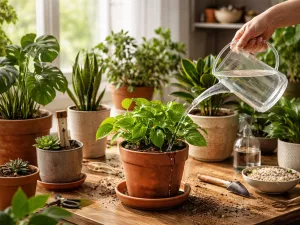
- Container growing and indoor plants: Pots have limited air exchange and drainage, so a lighter, more open mix reduces waterlogging and root rot compared with many native soils.
- Seed starting and propagation: Fine, uniform particles support even moisture and good contact with seeds or cuttings, improving germination and early rooting while lowering the risk of damping-off.
- Hydroponics and semi-hydro setups: Systems that rely on nutrient solutions work best with inert or near-inert media (like expanded clay or rockwool) because nutrients are delivered precisely through the water, not stored unpredictably in soil.
- Plants with strict drainage needs: Cacti, succulents, and many Mediterranean herbs benefit from mixes built for fast drainage and high aeration, especially in humid homes or cool seasons.
- Problem soils you can’t easily fix: If your ground is heavy clay, highly compacted, salty, or contaminated, using a clean medium in raised beds or containers can be a practical workaround while you remediate the site.
- Greenhouses and commercial production: Consistent structure and moisture behavior make scheduling irrigation and fertilization more reliable, which matters when you’re managing hundreds of plants.
- Situations where pests and pathogens are a concern: Many bagged mixes are produced to reduce weed seeds and disease pressure, which can be helpful after repeated fungus gnat or soil-borne disease issues.
| Situation | Why a substrate tends to work better | What to look for in the mix |
|---|---|---|
| Small pots and planters | Better air-filled porosity; less compaction over time | Chunky structure (bark, perlite/pumice) and clear drainage |
| Seed trays and plug production | Uniform moisture and particle size for consistent starts | Fine, even texture; low debris; sterile or low-pathogen option |
| Hydroponics / semi-hydro | Nutrients controlled in solution instead of buffered by soil | Inert media (LECA, rockwool, coco) suited to your system |
| Plants prone to root rot | Faster dry-down reduces anaerobic conditions | High aeration ingredients; avoid heavy peat-only blends |
| Raised beds over poor native ground | Clean, consistent rooting zone without fighting the underlying soil | Composted components plus structural material for long-term stability |
| Greenhouse crops | Repeatable irrigation and fertilization response across batches | Known pH/EC range; consistent particle size; reliable supplier |
One practical rule: if you’re growing in a limited volume (a pot, tray, or trough), the engineered medium usually gives you more control than whatever comes out of the ground. If you’re growing directly in the earth, improving the existing soil often makes more sense than replacing it.
Examples of common substrates

Growing media and inert bases come in a lot of forms, and the “right” choice depends on whether you need nutrition, drainage, water storage, or a stable anchor for roots. Below are some widely used options and what they’re typically good for.
| Substrate | Typical use | Main strengths | Common watch-outs |
|---|---|---|---|
| Coco coir | Container mixes, seed starting, hydroponic blends | Holds moisture while staying airy; renewable; consistent texture | Often needs calcium/magnesium buffering; can arrive salty if poorly washed |
| Peat moss | Potting mixes, propagation, acid-loving plants | Excellent water retention; lightweight; helps stabilize mix structure | Low nutrients; can become hydrophobic if it dries out; sustainability concerns |
| Perlite | Aeration amendment in mixes | Boosts drainage and oxygen around roots; doesn’t decompose quickly | Dusty when dry; floats and can migrate upward in pots |
| Vermiculite | Seed starting, moisture-holding mixes | Holds water and nutrients well; gentle for germination | Can keep mixes too wet for some plants; compacts over time |
| Pumice | Cacti/succulent mixes, bonsai, long-term containers | Durable porosity; adds weight and stability; improves drainage | Heavier and often pricier than perlite; availability varies |
| LECA (expanded clay pellets) | Semi-hydro setups, hydroponics, decorative top layers | Reusable; strong airflow around roots; easy to rinse and manage | Holds less water than coir/peat; needs nutrient solution management |
| Rockwool | Hydroponics, cloning, seedling cubes | Uniform; great water-to-air balance when managed correctly | Often needs pH conditioning; not biodegradable; fibers can irritate skin |
| Orchid bark (pine bark) | Epiphytes (orchids), chunky aroid mixes | Creates large air pockets; drains fast; mimics tree-bark habitat | Breaks down over time; may need more frequent watering and feeding |
| Sand / gravel | Aquariums, terrariums, drainage layers, some propagation | Stable, inert structure; good for anchoring; predictable drainage | Adds weight; fine sand can reduce airflow if it compacts |
If you’re mixing your own medium, a practical approach is to pair a water-holding component (like coir or peat) with an aeration component (like perlite, pumice, or bark). For hydroponic systems, inert options such as LECA or rockwool are common because nutrition is delivered through the solution rather than the base material.
Choosing between soil and substrate

Pick your growing medium based on what you’re trying to control: soil is forgiving and biologically active, while a substrate (often soilless) is more predictable and easier to fine-tune. The “right” choice usually comes down to the plant’s needs, how often you can water, and whether you want nature to do more of the buffering for you. To understand that choice from the root zone perspective, see how roots interact with soil.
| Situation / priority | Soil tends to fit when… | Substrate tends to fit when… |
|---|---|---|
| Watering tolerance | You want a buffer against missed waterings; loam and organic matter hold moisture and release it slowly. | You prefer fast drainage and tight control; mixes like coco-perlite or mineral media dry more predictably. |
| Nutrient strategy | You like slower, steadier feeding from compost and amendments, with microbes helping nutrient cycling. | You plan to feed precisely (liquid nutrients, measured EC/ppm), adjusting quickly as plants change. |
| Root aeration | You can provide structure (good texture, not compacted) and avoid waterlogging. | You need high air-filled porosity by design (e.g., bark-based orchid mixes, LECA, pumice). |
| Consistency from batch to batch | You’re okay with natural variability between bags/locations and you can observe and adapt. | You want repeatable performance; components are easier to standardize and remix to a recipe. |
| Pests and disease pressure | You can manage outdoor biology and accept that living systems come with occasional hitchhikers. | You’re aiming to reduce pathogen load indoors/greenhouse; inert media can be cleaner to start. |
| Container growing | You’re using larger pots where moisture swings are slower and the mix won’t compact quickly. | You’re in small pots where overwatering happens fast; airy substrates reduce risk of soggy roots. |
| Time and monitoring | You want lower day-to-day input once established (top-dress, mulch, occasional amendments). | You don’t mind more frequent checks and adjustments (pH, nutrient strength, irrigation timing). |
| Plant type examples | Many garden vegetables, shrubs, and landscape plants that benefit from a living, buffered medium. | Orchids, many aroids, propagation setups, hydroponic-style systems, and plants sensitive to wet feet. |
If you’re still unsure, a practical approach is to decide what you can’t compromise on. If you travel and can’t water often, a quality potting soil with structure (plus perlite or bark) is usually safer. If you’re dealing with root rot history or you’re growing indoors where evaporation is slower, a chunkier soilless mix often makes management easier.
- For beginners: start with a well-made potting soil for most houseplants, then adjust drainage by adding coarse components (e.g., bark or perlite) rather than switching systems entirely.
- For precision growers: choose a substrate when you want repeatable results and you’re comfortable measuring inputs (water quality, pH, and nutrient concentration).
- For problem-solving: if roots stay wet for more than 2–3 days in a typical indoor room, consider moving toward a more aerated substrate; if the pot dries within 24 hours (1 day), increase water-holding capacity with more organic matter.
In many real-world setups, the best answer is a hybrid: soil-like mixes that include mineral or chunky components, or substrates that incorporate a small amount of composted material for buffering. The goal isn’t to “win” soil vs. soilless media—it’s to match water, air, and nutrients to how you actually grow.
How to combine them effectively
Mixing native earth with a soilless growing medium works best when you decide what the soil should contribute (structure, minerals, biology) and what the substrate should handle (drainage, aeration, consistent moisture). The goal isn’t a “perfect” blend for every plant; it’s a predictable root zone that matches your container, climate, and watering habits.
From practice: When testing mixed blends for pots, the safest results usually came from treating field soil as a smaller part of the recipe rather than the base. As soon as the percentage of heavy garden soil became too high, the mix dried unevenly and compacted faster. Blends built around potting substrate with a modest amount of soil were much easier to water consistently.
- Start with the container and drainage. Pots without good drainage holes benefit from a higher share of airy components (like bark or perlite) because water has fewer escape routes. Raised beds can tolerate heavier mixes because excess moisture can move sideways and down.
- Use soil for weight and buffering, substrate for air. If your mix dries too fast, add more fine-textured material (compost, coco coir). If it stays wet and smells sour, increase coarse particles (bark, pumice, perlite) to keep oxygen around roots.
- Keep “field soil” in check for containers. Garden soil can compact in pots, especially after repeated watering. If you want to include it, treat it as a minority ingredient and rely on a structured medium to maintain pore space.
- Match the blend to the plant’s roots. Fleshy or rot-prone roots (many succulents and cacti) prefer a gritty, fast-draining base. Fine, fibrous roots (many leafy houseplants) often do better with a moisture-retentive but still airy mix.
- Adjust for your watering style. If you water frequently, lean toward drainage and aeration. If you sometimes miss a watering, include more moisture-holding components so the root zone stays stable.
- Don’t forget nutrition. Many substrates are low in nutrients. If you’re using mostly inert components, plan for slow-release fertilizer or regular feeding, and consider adding compost in modest amounts.
| Situation | Practical mix direction (soil + substrate) | What it solves |
|---|---|---|
| Outdoor raised bed with decent native soil | Keep most of the existing soil; blend in compost and a small share of coarse substrate (bark/pumice) for structure | Improves tilth and drainage without losing local mineral balance |
| Container planting with heavy garden soil available | Use a potting substrate as the base; add only a smaller portion of garden soil, plus extra aeration material if needed | Reduces compaction and waterlogging in pots |
| Plants prone to root rot | Favor mineral/woody substrate components; keep fine soil and compost limited | Increases oxygen and speeds drying between waterings |
| Hot, windy balcony where pots dry quickly | Add water-holding substrate (coir/peat) and compost; keep enough coarse particles for airflow | Slows drying while maintaining root aeration |
When you test a blend, do a simple “squeeze check” after watering: it should feel evenly damp, not muddy. If water runs straight through and the mix feels crispy within a day, increase moisture-retentive ingredients. If it stays soggy for days, add chunkier material and reduce fine particles. Small tweaks are usually more effective than starting over.
FAQ about soil vs substrate
Below are answers to common questions about the difference between soil and substrate, when each option works best, and how to choose the right growing medium for containers, indoor plants, and outdoor beds.
1. Can I use garden soil in pots?
You can, but in most cases it is not the best choice. Garden soil often becomes dense in containers, drains unevenly, and can stay wet too long around roots. In pots, a structured substrate or potting mix is usually safer because it keeps more air in the root zone and reduces the risk of compaction.
2. Is substrate better than soil for indoor plants?
For many indoor plants, yes. Indoor conditions usually mean slower evaporation, lower airflow, and a higher chance of overwatering, so a lighter and more aerated substrate tends to perform better than heavy natural soil. Houseplants often do best in mixes that combine moisture retention with enough coarse material to keep roots oxygenated.
3. What is the main difference between soil and substrate?
The main difference is origin and behavior. Soil is a naturally formed material made of minerals, organic matter, water, air, and living organisms. A substrate is usually an engineered growing medium built from selected ingredients such as coco coir, peat, bark, perlite, or pumice to create a specific balance of drainage, aeration, and moisture retention.
4. Which is better for seedlings: soil or substrate?
Seedlings usually do better in a fine, uniform substrate rather than ordinary soil. Seed-starting mixes hold moisture more evenly, reduce compaction, and make it easier for delicate young roots to spread. They also lower the chance of irregular germination caused by dense or poorly drained ground soil.
5. Can substrate contain nutrients like soil does?
Yes, but it depends on the mix. Some substrates include compost, starter fertilizer, or controlled-release nutrients, while others are mostly inert and need feeding soon after planting. Soil often has more natural nutrient buffering, but a substrate can still support healthy growth when fertility is managed properly.
6. What plants grow better in substrate than in soil?
Plants that dislike wet roots usually perform better in a well-aerated substrate. This includes many orchids, succulents, cacti, aroids, and plants grown in hydroponic or semi-hydro systems. These plants benefit from mixes that dry more predictably and keep more oxygen around the roots after watering.
7. Can I mix soil and substrate together?
Yes, and in many cases that works well. A blended medium can combine the buffering and mineral content of soil with the drainage and aeration of a substrate. The key is to avoid making the mix too heavy for containers. In pots, it is usually better to use substrate as the base and add only a smaller portion of soil if needed.
8. How do I know whether my mix needs more soil or more substrate?
Watch how the root zone behaves after watering. If the mix stays soggy for several days, smells sour, or feels dense, it usually needs more coarse substrate to improve airflow and drainage. If it dries out too quickly and becomes hard to rewet, it may need more moisture-holding material such as compost, coco coir, or a soil-like organic component.