Low-Light Houseplants That Actually Thrive

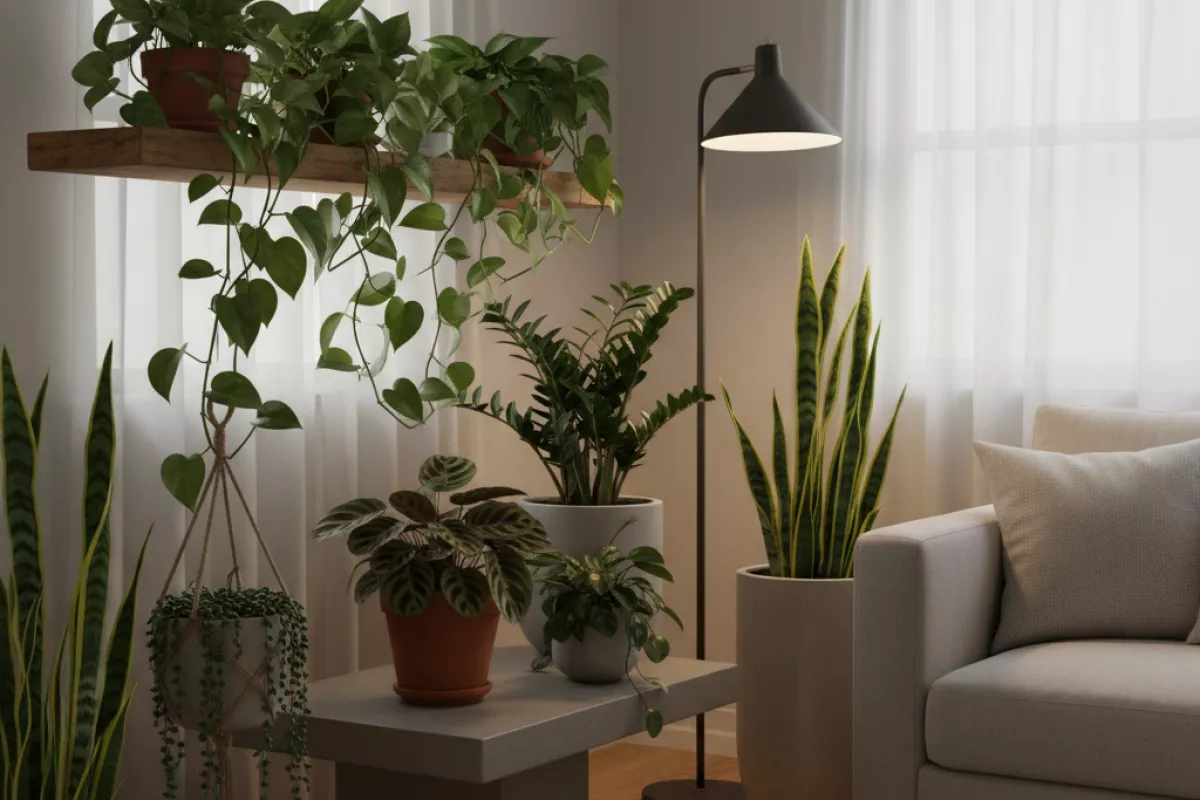 Learn why some plants handle dim light better than others, what traits make true low-light survivors, and which popular species tolerate shade. Get practical care tips, how to tell they’re thriving, what conditions still stress them, and long-term strategies.
Rooms without much sun can still support attractive indoor plants. Choose species that naturally tolerate shade, then adjust care to their slower growth by watering less often, using appropriately sized pots, and placing them where they get steady, indirect light. With a few dependable choices and simple routines, dim corners can stay green and healthy all year.
Why some plants adapt better to dim light
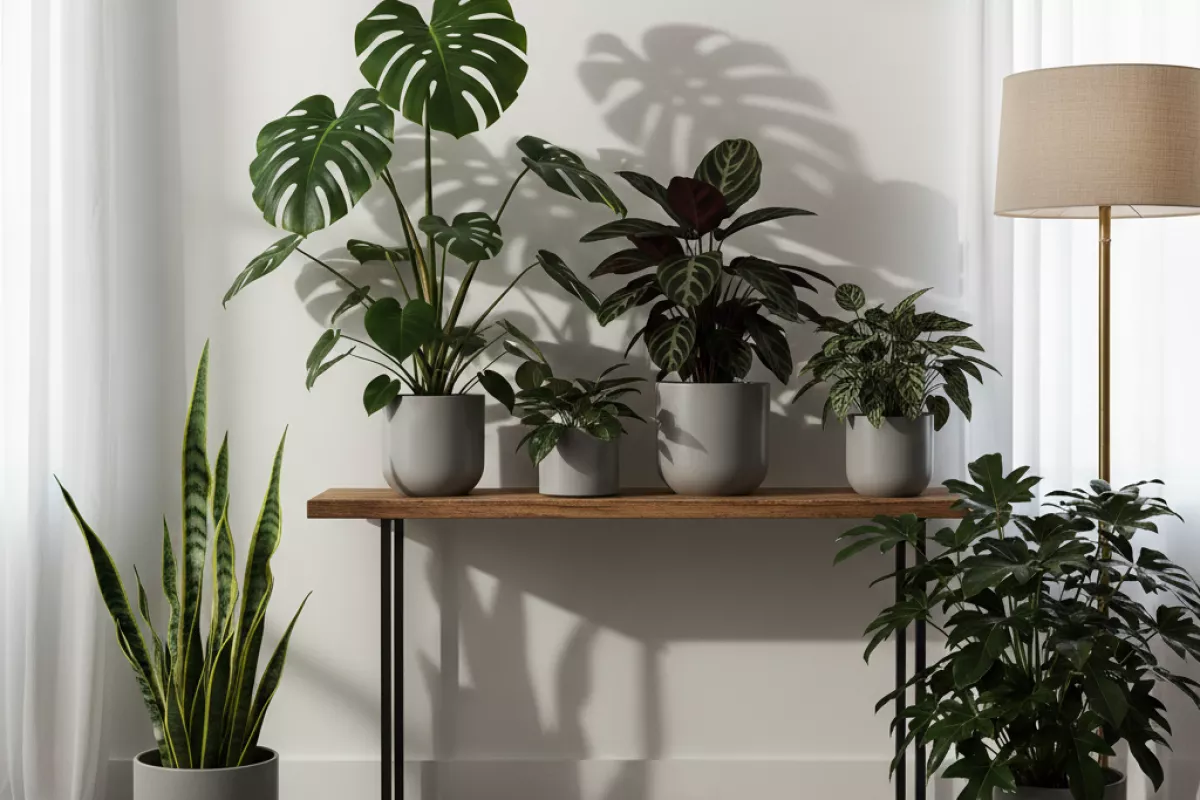
Some houseplants cope with shade because their leaves and growth habits are built for “making do” with fewer photons. In the wild, many of them evolved under tree canopies or on forest floors where light is filtered, brief, and angled—so they prioritize efficient light capture over fast growth.
- Bigger, thinner leaves (often darker green): More surface area helps intercept scattered light, and higher chlorophyll levels can make foliage look deeper green. The trade-off is that these leaves can scorch if suddenly moved into strong sun.
- Slower metabolism and growth: Plants that naturally grow slowly don’t “demand” intense light to fuel constant new leaves. Indoors, this means they can hold their shape longer, but they also take longer to recover from stress.
- Lower light compensation point: Some species can photosynthesize enough to break even at relatively low brightness, so they don’t burn through stored energy as quickly in a dim room.
- Efficient leaf positioning: Many shade-tolerant plants angle leaves to catch window light from the side, or they naturally spread outward instead of stacking leaves on top of each other.
- Energy storage in stems, rhizomes, or thick roots: Plants like ZZ and some aroids bank resources, letting them coast through low-light stretches without immediately declining.
- Flexible chloroplast behavior: In lower light, chloroplasts can redistribute within leaf cells to capture more available light; in brighter conditions, they shift to reduce damage. This adaptability is one reason certain plants “settle in” better after you move them.
| Adaptation | What it looks like indoors | Common trade-off |
|---|---|---|
| High chlorophyll / darker foliage | Leaves stay rich green in a dim corner | Can bleach or scorch if moved to harsh sun too quickly |
| Large leaf area | Broad leaves “reach” toward a window | More prone to dust buildup, which further reduces light capture |
| Slow, steady growth | Fewer new leaves, but the plant holds up | Overwatering is easier because water use is low |
| Storage organs (rhizomes, thick stems) | Plant tolerates missed sunny days and short winter light | Soft stems or yellowing can happen if soil stays wet too long |
| Shade-native leaf posture | Leaves spread outward to catch ambient light | Can get lopsided; rotating the pot helps |
One practical takeaway: in low-light spots, success is often less about “toughness” and more about matching care to a plant’s slower pace. Watering usually needs to be less frequent, and even a small bump in brightness—like moving a plant 30 cm (12 in) closer to a window—can make a noticeable difference without changing the room.
Characteristics of true low-light survivors
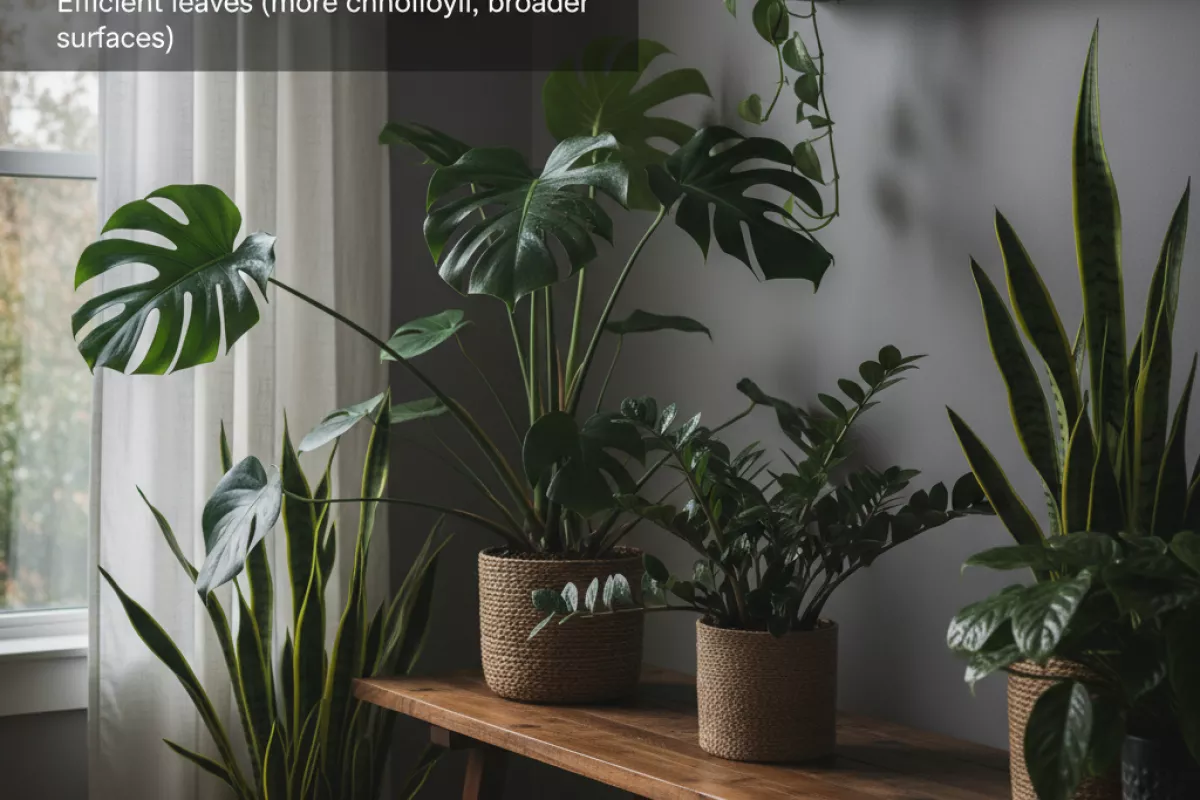
Plants that genuinely cope with dim rooms share a few practical traits: they use light efficiently, grow slowly without sulking, and don’t fall apart when watering isn’t perfect. If a plant only “tolerates” shade but stops producing new leaves for months, it’s not really thriving—it’s just hanging on.
- Efficient leaves (more chlorophyll, broader surfaces)
Many reliable shade-tolerant plants have darker green foliage and relatively wide leaves. That’s a clue they’re built to capture more light per square centimeter (square inch) when sun is scarce. - Slow, steady growth instead of a constant growth spurt
True low-light performers don’t need bright windows to keep going. They may put out fewer leaves, but they keep their shape and color without stretching into long, weak stems. - Short internodes and a “compact” habit
In low light, many plants get leggy as they reach for brightness. Better candidates stay fairly compact, with leaves spaced closer together, even when they’re a few meters (a few feet) from a window. - Thicker leaves or sturdy stems that store a little water
Dim conditions usually mean slower drying soil. Plants with some built-in water storage (thicker leaves, canes, rhizomes) handle the longer wet-to-dry cycle better and are less prone to dramatic wilting. - Roots that dislike constant saturation
Low light doesn’t “cause” root rot—staying wet too long does. The best survivors are those that can wait out slower evaporation, especially in cooler rooms around 18–21°C (65–70°F). - Lower nutrient demand
When light is limited, plants can’t use heavy feeding effectively. Species that stay healthy with light, occasional fertilizing are easier to maintain and less likely to develop weak, floppy growth. - Cosmetic tolerance (they don’t show every mistake)
Some plants spot, crisp, or yellow at the first sign of stress. The dependable ones stay presentable through minor swings in humidity and watering, which is common in interior spaces.
A quick reality check: if the plant needs direct sun for “best color,” or it drops older leaves rapidly when moved away from a window, it’s probably a medium-light plant in disguise. The most dependable choices keep functioning under bright shade and typical indoor light, even if they grow at a slower pace.
Popular species that tolerate shade
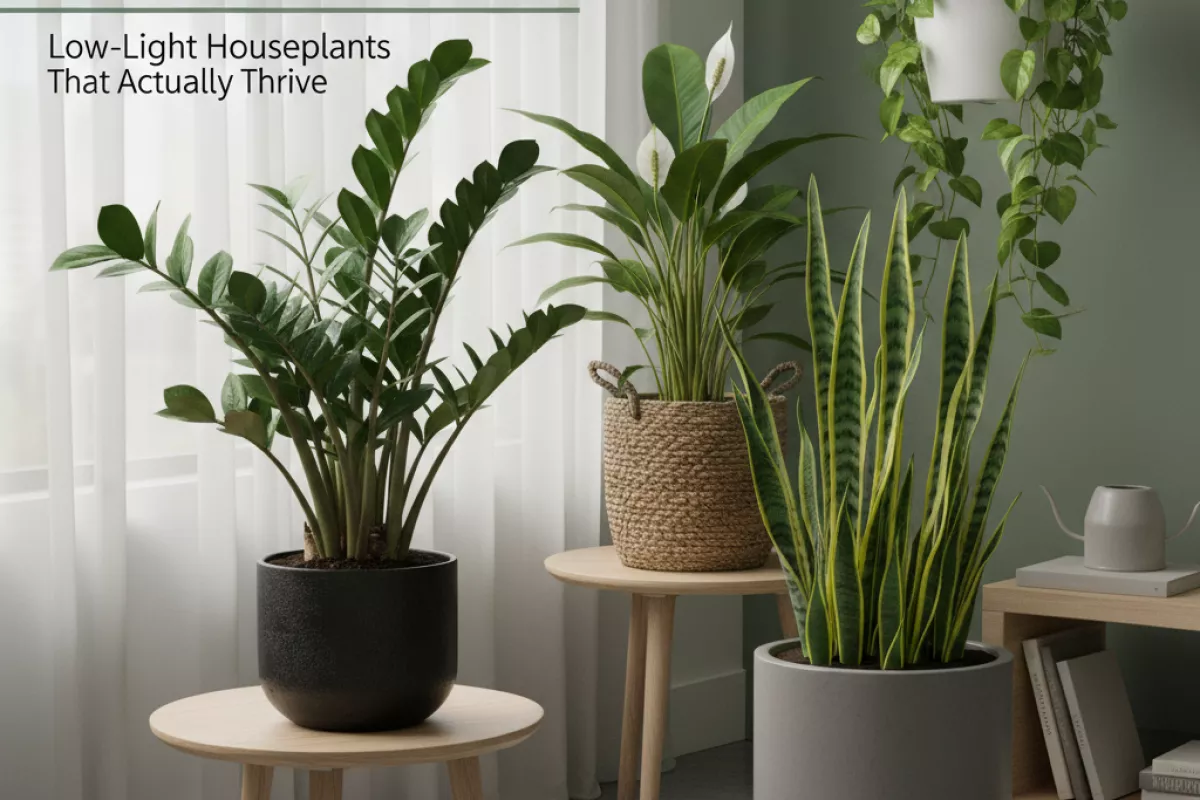
Some houseplants don’t just “survive” away from windows—they keep steady growth, hold their color, and stay presentable with the kind of indirect light you get in hallways, bedrooms, and offices. The key is choosing species that evolved under tree canopies and then matching watering to slower, low-light growth.
If you want a bigger, practical shortlist, see our guide to best low-light indoor plants with easy placement tips.
| Plant | Why it works in low light | Watering rhythm (typical) | Notes to keep it thriving |
|---|---|---|---|
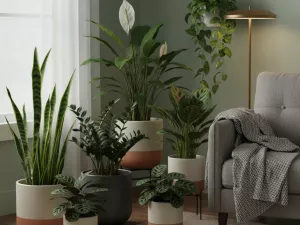
| ZZ plant (Zamioculcas zamiifolia) | Stores water in thick rhizomes; tolerates long stretches of dim light | Let soil dry most of the way; often every 2–4 weeks | Overwatering is the usual failure point; rotate the pot every 1–2 months for even growth |
| Snake plant (Dracaena trifasciata) | Handles shade and irregular care; slow but steady indoors | Allow soil to dry fully; often every 2–5 weeks | Choose a gritty mix; low light means slower drying, so err on the dry side |
| Cast iron plant (Aspidistra elatior) | Built for deep shade; leaves stay attractive with minimal fuss | Water when top 5 cm (2 in) dries; often every 1–3 weeks | Wipe dust off leaves to help it use limited light more efficiently |
| Pothos (Epipremnum aureum) | Vining growth adapts well to indirect light; forgiving if you miss a watering | Water when top 2–5 cm (1–2 in) dries; often every 1–2 weeks | Variegated types may turn greener in shade; prune to keep it bushy |
| Heartleaf philodendron (Philodendron hederaceum) | Handles dimmer rooms while keeping a full, leafy look | Water when top 2–5 cm (1–2 in) dries; often every 1–2 weeks | Pinch tips to encourage branching; avoid constantly wet soil |
| Peace lily (Spathiphyllum) | Tolerates shade well; foliage stays lush even when blooms slow down | Keep lightly moist; water when top 2–3 cm (1 in) dries | In low light it may flower less—still a solid foliage plant; use filtered water if tips brown |
| Chinese evergreen (Aglaonema) | One of the best “room light” plants; maintains form without sun | Water when top 5 cm (2 in) dries; often every 1–2 weeks | Colored varieties usually want brighter indirect light than green ones |
| Spider plant (Chlorophytum comosum) | Adapts to indirect light; keeps producing foliage even when light is modest | Water when top 2–5 cm (1–2 in) dries; often every 1–2 weeks | Brown tips are often from salts; flush soil occasionally and trim ends for looks |
| Parlor palm (Chamaedorea elegans) | Naturally understory; stays compact and calm in shade | Water when top 2–5 cm (1–2 in) dries; often every 1–2 weeks | Prefers steadier moisture than succulents; avoid cold drafts below 13°C (55°F) |
| Bird’s nest fern (Asplenium nidus) | Enjoys indirect light and higher humidity; fronds stay glossy without sun | Keep evenly moist, not soggy; water when surface just starts to dry | Water the soil, not the center “nest,” to reduce crown rot risk |
If you’re deciding between options, start by matching the plant to your watering habits. If you tend to forget, ZZ plants and snake plants are the most forgiving in dim rooms. If you’re consistent, peace lilies, ferns, and palms can look fuller, but they’ll complain faster if they dry out completely.
- Expect slower growth. In lower light, most plants use less water and fertilizer, so scale both back rather than sticking to a summer schedule.
- Watch the leaves, not the calendar. Limp pothos and philodendron usually want water; yellowing on ZZ or snake plant often means too much.
- Rotate for symmetry. A quarter turn every 2–4 weeks helps prevent leaning toward the brightest side of the room.
- Keep them clean. Dust blocks light; a quick wipe can make a noticeable difference when illumination is limited.
How to care for them properly
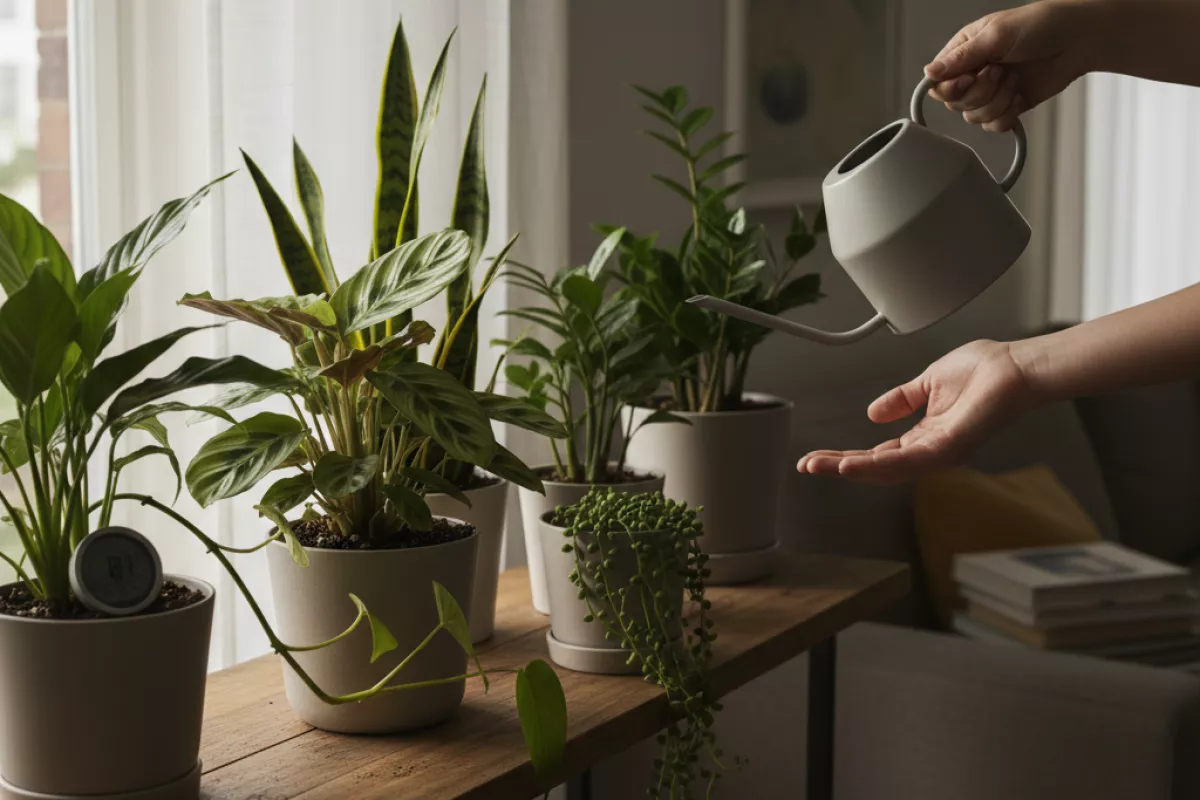
Success with shade-tolerant plants comes down to a few habits: water less than you think, keep the potting mix airy, and pay attention to slow signals (like stretching stems or soil that stays wet for days). Low light means slower growth, so most problems come from “too much” care rather than neglect.
- Water based on soil dryness, not the calendar. Check the top 2–5 cm (1–2 in) of mix. If it’s dry, water thoroughly; if it’s still cool and damp, wait. In dim rooms, many plants need watering roughly half as often as they would near a bright window. For a simple rule-of-thumb, use this guide to balanced soil moisture so roots stay moist but never soggy.
- Use the right pot and mix to avoid soggy roots. Choose pots with drainage holes and a chunky, fast-draining medium. If your mix is dense, lighten it with bark or perlite so water can move through and oxygen can reach roots.
- Place them where “low light” is steady, not gloomy. Bright indirect light is still better than deep shade. A spot 1–2 m (3–6 ft) from an east or north window often works well. Rotate the pot a quarter turn every 1–2 weeks so growth stays even.
- Keep leaves clean so they can photosynthesize efficiently. Dust blocks light. Wipe broad leaves with a damp cloth every 2–4 weeks, or rinse in the sink with lukewarm water around 20–25°C (68–77°F).
- Fertilize lightly and only during active growth. In spring and summer, feed at 1/4–1/2 strength about every 4–8 weeks. In fall and winter, many low-light houseplants don’t need fertilizer at all.
- Watch for “reaching” and color changes. Long gaps between leaves, leaning stems, or smaller new leaves usually mean it’s too dark. Yellowing with consistently wet soil points more to overwatering than lack of light.
- Mind temperature swings and drafts. Most indoor plants prefer 18–24°C (65–75°F). Avoid placing pots right against cold glass in winter or near heating vents that dry the foliage.
- Adjust humidity only if the plant asks for it. If leaf edges crisp or new growth deforms, aim for moderate humidity by grouping plants or using a humidifier. As a simple target, many tropicals are comfortable around 40–60%.
| What you notice | Most likely cause | What to do next |
|---|---|---|
| Soil stays wet for 7+ days; musty smell | Overwatering and/or dense mix in low light | Let it dry further between waterings; switch to a chunkier mix; confirm drainage holes are clear |
| Leggy growth; plant leans toward the room | Not enough usable light | Move 0.5–1 m (1.5–3 ft) closer to a window; rotate weekly; consider a grow light for 8–10 hours/day |
| Yellow leaves plus soft stems | Roots stressed from staying damp | Pause watering; trim damaged roots if severe; repot into fresh, airy medium. If you’re not sure it’s watering-related, see yellow leaves on houseplants for fast diagnosis. |
| Brown, crispy tips on otherwise healthy leaves | Dry air, mineral buildup, or inconsistent watering | Use filtered water occasionally; water more evenly; raise humidity to about 40–60% if needed |
| Slow growth with pale new leaves in spring/summer | Needs a small nutrient boost | Feed at 1/4–1/2 strength every 4–8 weeks during active growth; don’t fertilize a dry plant |
If you’re unsure, err on the dry side and increase light before increasing water. In darker corners, the best “upgrade” is often simply moving the plant a little closer to a window or adding a small grow light rather than changing everything else at once.
Signs they are thriving
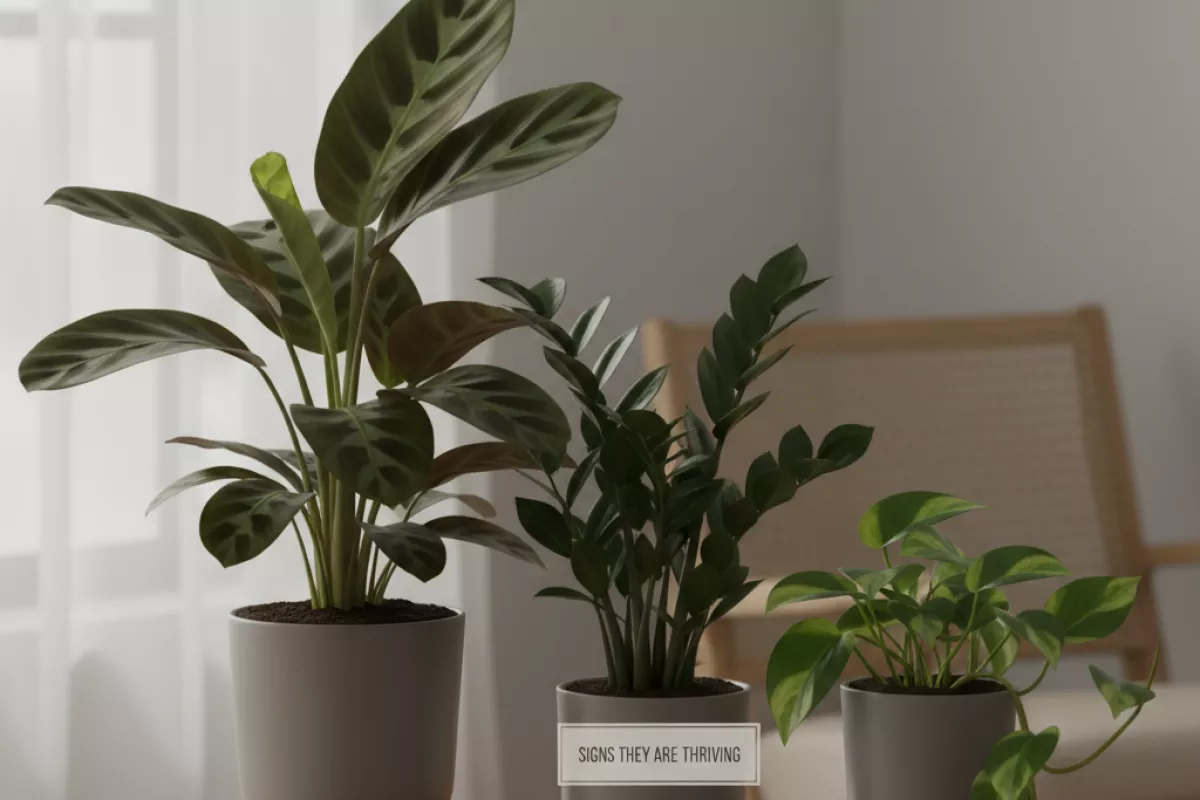
Healthy growth in dimmer rooms looks a little different than it does in a bright window. Instead of fast, dramatic spurts, you’re looking for steady, consistent behavior: firm leaves, stable color, and slow-but-regular new growth that matches the plant’s normal pace.
- New growth appears at a predictable rhythm for that plant (a fresh leaf, frond, or vine tip every few weeks rather than a sudden burst followed by a stall). In low light, “slow and steady” is often the goal.
- Leaves stay firm and resilient when you gently pinch them. They shouldn’t feel limp, papery, or hollow.
- Color stays even across older and newer foliage. Slightly smaller new leaves can be normal in shade, but widespread paling, yellowing, or patchy fading usually isn’t.
- Stems and petioles hold themselves up without flopping or collapsing. A bit of leaning toward the light source is expected; weak, stretched growth with long gaps between leaves is not.
- Leaf drop is minimal and explainable (for example, an occasional oldest leaf aging out). Frequent dropping of green leaves is a red flag.
- Soil dries at a consistent pace rather than staying wet for long stretches. As a rough check, the top 2–5 cm (1–2 in) should dry between waterings for many common houseplants, though exact needs vary by species and pot size.
- Roots look healthy when you peek (if visible through drainage holes or during repotting): typically light-colored and firm, not dark, mushy, or sour-smelling.
- Pests stay absent or manageable. A thriving plant can still get the occasional gnat or mite, but it shouldn’t be constantly struggling with recurring infestations.
If you’re unsure, compare two snapshots taken 4–6 weeks apart. In low-light conditions, subtle progress is still progress: a slightly longer vine, one new leaf unfurling cleanly, or older leaves staying intact without spotting or yellowing.
Conditions that still cause stress
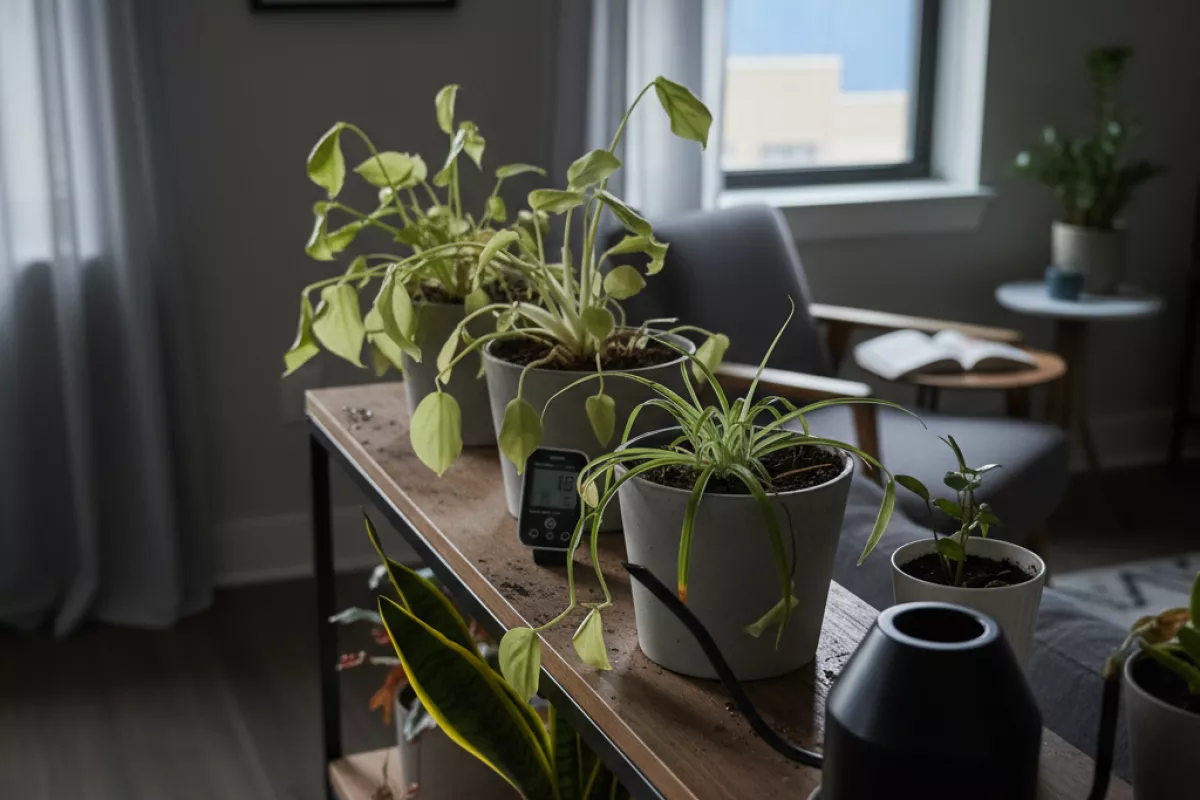
Even plants labeled “low-light” have limits. Most issues show up when low light is paired with something else that pushes the plant out of balance—usually water, temperature, or airflow. If your plant looks stalled, pale, or mushy, check these common troublemakers first.
- Overwatering in dim rooms: In lower light, growth slows and soil stays wet longer. That’s when roots suffocate and rot can start. Let the top 2–5 cm (1–2 in) dry before watering again for many common houseplants, and always empty saucers after 10–15 minutes.
- No drainage (or a “pretty pot” with no hole): A container without drainage traps water at the bottom, which is risky in shade. If you must use a cachepot, keep the plant in a nursery pot and lift it out to water thoroughly, then drain completely before putting it back.
- Cold windows and drafts: Leaves that touch glass can chill overnight in winter, and HVAC drafts can dehydrate foliage. Try to keep plants a few centimeters away from cold panes and aim for roughly 18–24°C (65–75°F) for most tropicals.
- Heat sources that dry the air: Radiators and vents can create hot, dry pockets even when the room feels fine. Crispy edges and curling can follow. Move plants 30–60 cm (12–24 in) away from direct airflow and consider grouping plants to buffer humidity.
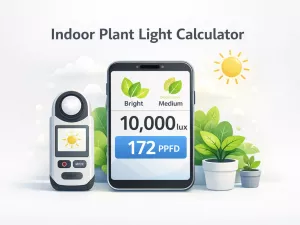
- “Too dark” corners: Low-light tolerant doesn’t mean no-light. If you can’t comfortably read a book there during the day, many plants will slowly decline. To get a clearer number, you can measure indoor light levels and convert lux to PPFD. A small LED grow light for 8–12 hours can help; keep it about 20–40 cm (8–16 in) above the foliage, depending on brightness.
- Sudden location changes: Moving a plant from brighter light to a darker spot (or vice versa) can trigger leaf drop or scorch. Shift it gradually over 7–14 days so it can adjust.
- Dusty leaves: Dust blocks already-limited light and can invite pests. Wipe broad leaves with a damp cloth every few weeks, or rinse gently in the shower with lukewarm water around 20–30°C (68–86°F).
- Fertilizing “to fix” slow growth: In shade, plants use fewer nutrients. Extra fertilizer can build up salts and burn roots. Feed lightly during active growth, and consider flushing the pot with water every 2–3 months (let it drain fully) to reduce buildup.
- Pests that love stressed plants: Spider mites, mealybugs, and scale often show up when a plant is weakened. Check leaf undersides and stems weekly; isolate new plants for 14 days and treat early with insecticidal soap if needed.
If you’re unsure which factor is at play, start with the basics: confirm drainage, reduce watering frequency, and move the plant slightly closer to a window (without direct harsh sun). In low-light setups, small adjustments usually matter more than big interventions.
Long-term care strategies
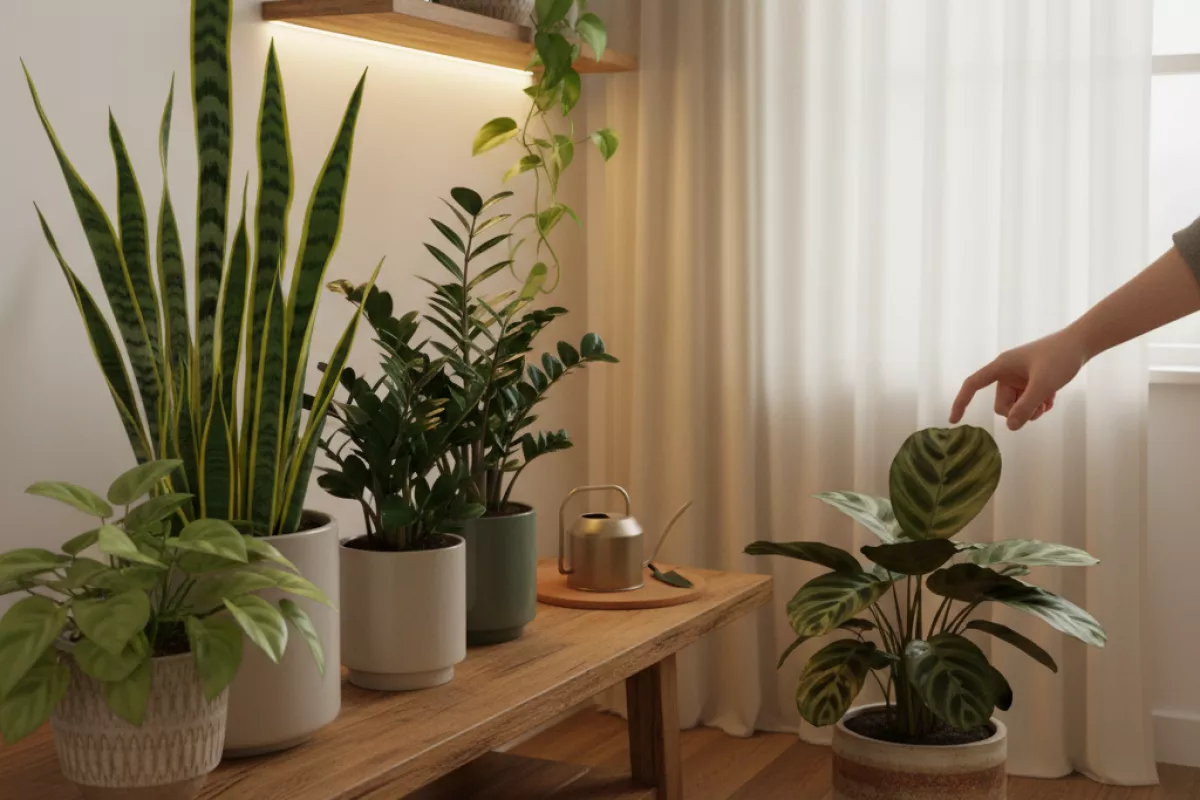
Keeping low-light plants happy over the long haul is mostly about consistency: steady watering habits, a potting mix that doesn’t stay soggy, and small seasonal adjustments. Most “mystery” problems come from roots staying wet too long or a plant quietly outgrowing its pot.
- Water by soil feel, not the calendar. In dim rooms, evaporation is slower, so wait until the top 2–5 cm (1–2 in) is dry for many foliage plants. For drought-tolerant types (like snake plant and ZZ), let at least the top 5–8 cm (2–3 in) dry before watering again.
- Make drainage non-negotiable. Use pots with holes and empty any saucer after 10–15 minutes. If you use a cachepot, keep the nursery pot inside so excess water can be poured off.
- Use a mix that matches low light. A slightly airier blend helps prevent slow-drying soil. If your mix stays wet for more than 7–10 days, add chunky amendments (bark, perlite, or pumice) or repot into a better-draining medium.
- Rotate for even growth. Turn the pot a quarter-turn every 1–2 weeks so stems don’t lean. This is especially helpful for pothos, philodendron, and dracaena near a single window.
- Feed lightly and only when the plant is growing. In low light, overfertilizing causes weak, stretched growth and salt buildup. A half-strength fertilizer every 4–6 weeks during active growth is usually plenty; pause if growth slows in winter.
- Watch for “low-light stretch” and respond early. Smaller leaves, longer gaps between leaves, and leaning are signs the plant wants more light. Move it 30–60 cm (12–24 in) closer to a window or add a grow light for 8–12 hours per day.
- Keep leaves clean so they can photosynthesize. Dust blocks light. Wipe foliage with a damp cloth every 2–4 weeks, or rinse in the shower with lukewarm water around 20–25°C (68–77°F).
- Repot on root cues, not a schedule. If water runs straight through, roots circle the pot, or the plant dries out unusually fast, size up by 2–5 cm (1–2 in) in diameter. Going too large can keep soil wet for too long in darker rooms.
- Prune and propagate to keep plants dense. Trim leggy vines back to a node and root cuttings in water or moist mix. Regular pinching encourages branching and a fuller look without needing brighter conditions.
- Prevent pests with quick check-ins. Low light doesn’t cause pests, but stressed plants attract them. Check undersides of leaves weekly; isolate any plant with sticky residue, webbing, or cottony spots and treat promptly.
| What you notice | Likely cause in low light | What to do next |
|---|---|---|
| Yellowing leaves plus soft stems | Soil staying wet too long | Let soil dry more between waterings; improve drainage; consider a chunkier mix |
| Leaves droop but soil is dry | Underwatering or roots too tight | Water thoroughly until it drains; if it dries again in 2–3 days, repot up 2–5 cm (1–2 in) |
| Long, sparse growth with small leaves | Not enough usable light | Move 30–60 cm (12–24 in) closer to a window or add a grow light 8–12 hours daily |
| Brown, crispy tips | Irregular watering, salts, or very dry air | Flush soil with water every 2–3 months; keep watering more consistent; avoid placing near heating vents |
| White crust on soil or pot rim | Mineral/salt buildup from fertilizer or hard water | Scrape off top 1–2 cm (0.5–1 in) and replace; flush thoroughly; reduce feeding |
Seasonal shifts matter even indoors. In winter, rooms are cooler and darker, so most plants need less water; in summer, warmer air can speed drying even in shade. Adjust gradually, and you’ll avoid the common cycle of overwatering in low light followed by emergency fixes.