Abelia – Ornamental Shrub With Easy Care and Long Bloom

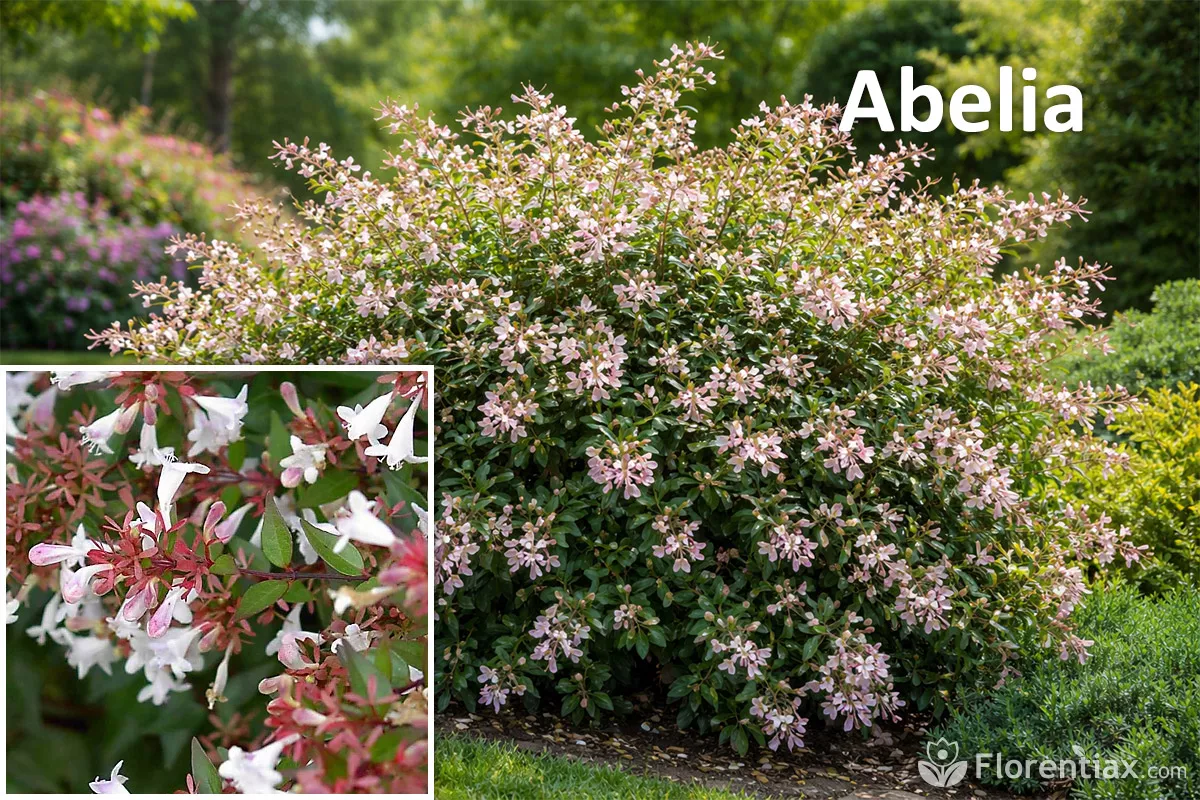 This article provides an overview of Abelia as an ornamental shrub valued for its long blooming season and easy maintenance. It covers how the plant grows, what conditions it prefers, and the basic care it needs to stay healthy and decorative. The guide is designed as a plant profile, with clear references to light, growth habit, and general care principles.
- Abelia Plant Overview
- Natural Habitat and Distribution
- Growth Habit and Key Characteristics
- Light Requirements for Abelia
- Soil and Watering Needs for Abelia
- General Abelia Care and Maintenance
- Diseases and Pests Affecting Abelia
- Repotting and Transplanting
- Propagation Methods
- Seasonal Growth and Blooming
Abelia is valued for its long flowering season and low-maintenance nature, making it a popular choice for gardeners who want reliable blooms without complex care. When planted in suitable conditions, it maintains a neat shape, flowers for months, and adapts well to different garden settings.
Abelia Plant Overview
Abelia is an ornamental shrub grown mainly for its long blooming season, tidy shape, and easy-going care. It’s typically used as a landscape plant, but it can also do well in a large container when it gets strong light and the soil drains fast.
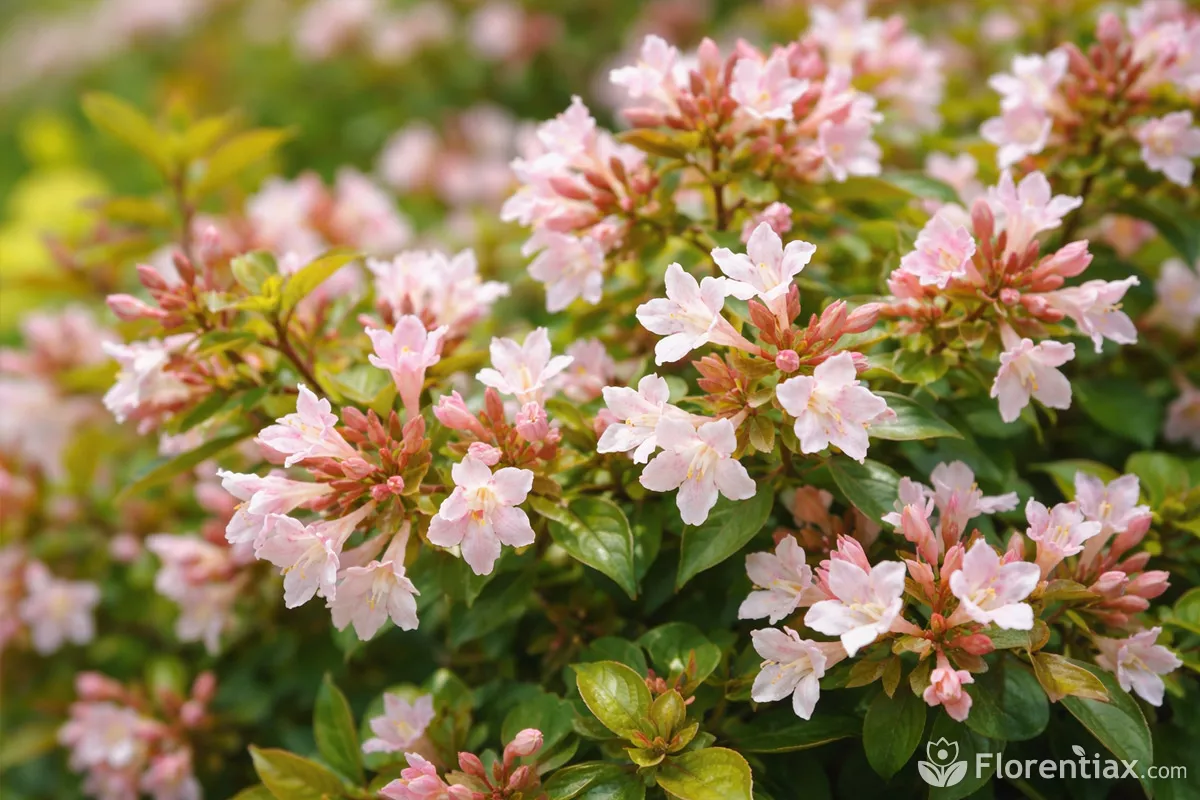
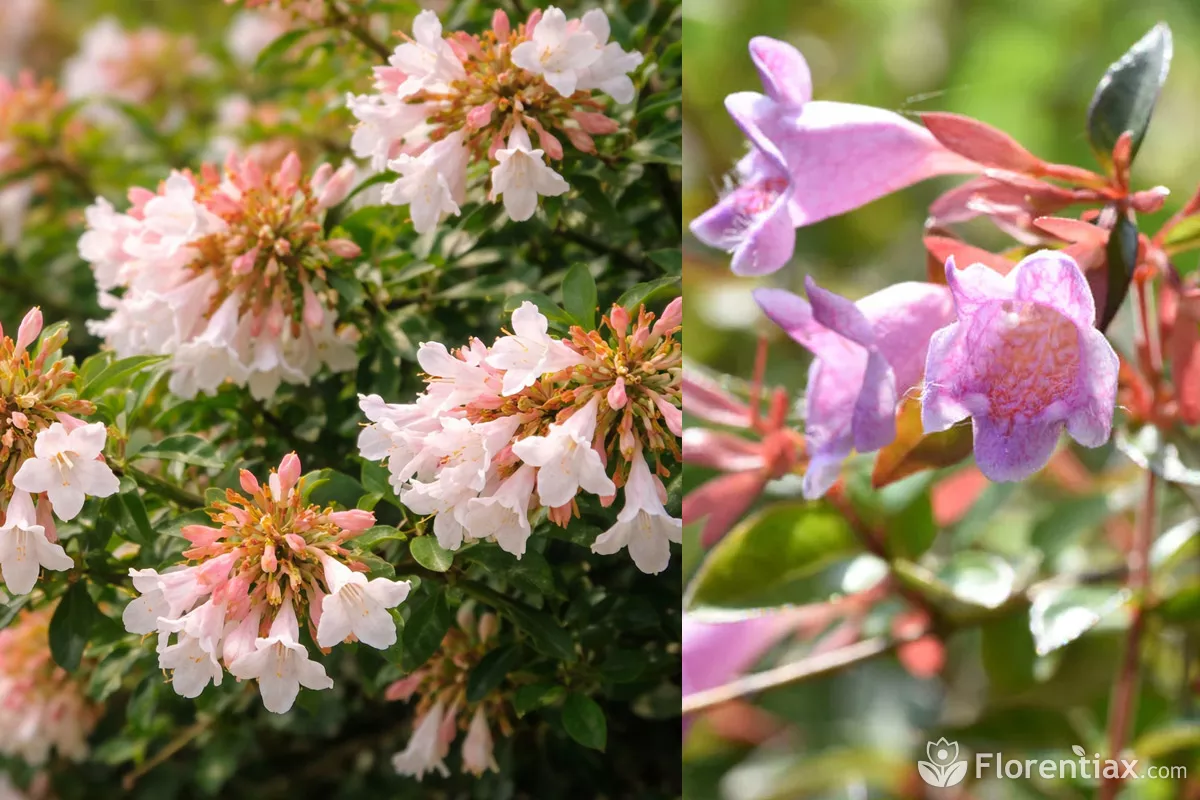
Abelia produces small tubular flowers in shades of white, soft pink, and pale rose, often with a light fragrance that becomes more noticeable during warm weather.
This plant profile focuses on the fundamentals that make Abelia grow well: light, soil structure, watering rhythm, and simple maintenance. If those basics are right, Abelia usually stays compact, blooms more reliably, and handles seasonal trimming with minimal stress.
Abelia tends to perform best when the growing setup supports three things: steady light exposure, roots that never sit in soggy soil, and a consistent but not excessive watering routine.
- Best use: flowering shrub for beds, borders, or a large patio pot
- What to expect: steady growth with waves of blooms during the season
- Main care idea: prioritize drainage and avoid waterlogging
In the next sections, you’ll get the practical picture: where Abelia comes from, how it grows through the season, what light and soil it prefers, and how to keep it healthy with straightforward, repeatable care.
Natural Habitat and Distribution
Abelia is native to East Asia, primarily regions of China, Japan, and Korea. In the wild, it grows on open slopes, forest edges, and light woodland areas where sunlight is abundant and soil drains quickly after rainfall.
The plant naturally thrives in temperate climates with warm summers and mild to cool winters. Optimal growing temperatures during the active season range from 60–85°F (16–29°C). Established plants tolerate short drops to around 10–15°F (-12 to -9°C), depending on species and cultivar.
In cultivation, Abelia is best suited to USDA hardiness zones 6–9. Within this range, it performs most reliably when planted in locations that receive full sun to light partial shade. Full sun encourages denser growth and more abundant flowering.
Key environmental conditions Abelia naturally prefers:
- Sun exposure: at least 6 hours of direct sunlight per day
- Air circulation: open sites, not enclosed or stagnant areas
- Soil moisture: well-drained ground that dries slightly between rains
These natural conditions explain why Abelia struggles in heavy, compacted soil or deep shade. When grown in environments that match its native range, the shrub develops stronger branching, healthier foliage, and a longer, more consistent blooming period.
Growth Habit and Key Characteristics
Abelia grows as a multi-stemmed shrub with a naturally rounded to slightly arching form. Most common garden varieties reach a mature size of about 4–6 ft (120–180 cm) in height and 4–6 ft (120–180 cm) in width, though compact cultivars stay smaller with minimal pruning.
The plant develops flexible, outward-arching branches rather than stiff upright stems. This growth habit allows Abelia to fill space evenly and respond well to light shaping without losing its natural form.
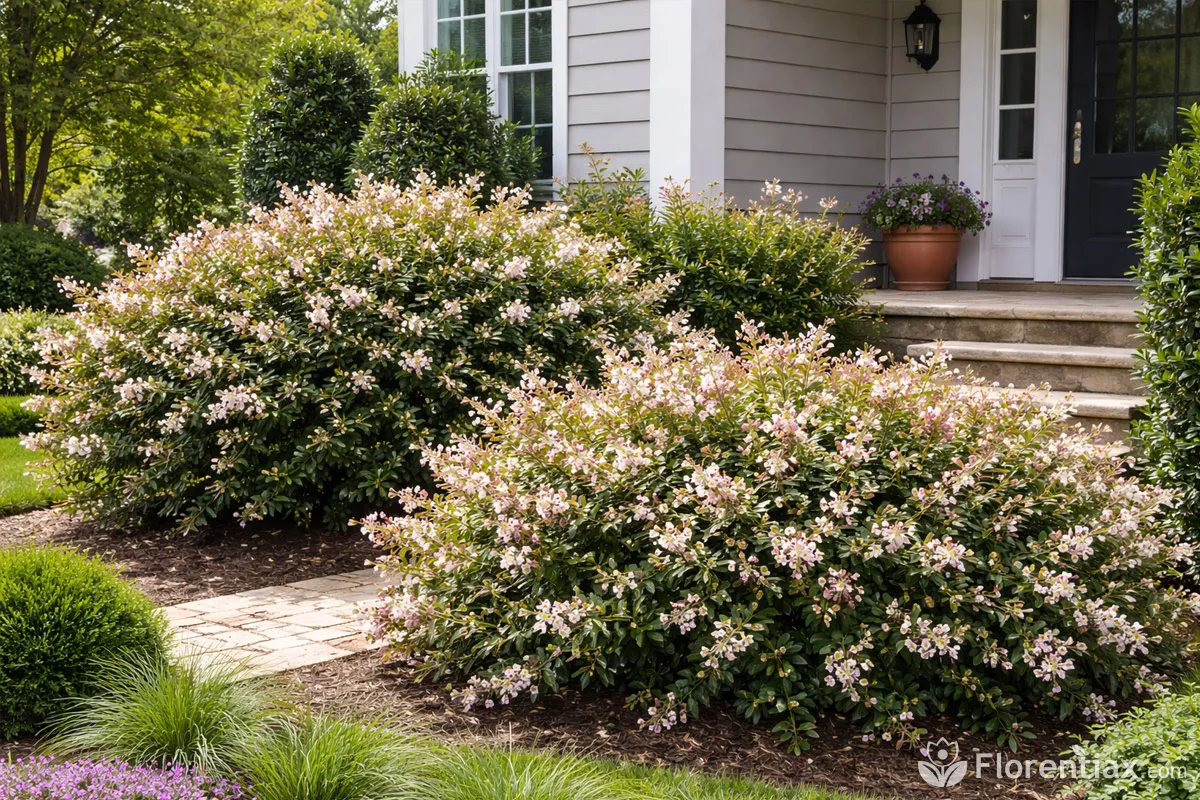
Key structural traits of Abelia:
- Growth rate: moderate; steady expansion each season without aggressive spreading
- Branching: dense, with new shoots emerging from the base and along older stems
- Foliage: small to medium leaves that remain decorative through most of the season
- Overall shape: rounded or gently cascading, depending on light and spacing
During the active growing season, Abelia puts most of its energy into new shoots and flower production. Blooms typically appear on fresh growth, which is why light pruning after flowering encourages a fuller plant rather than reducing performance.
Because of its predictable size and balanced growth habit, Abelia works well as a standalone shrub, in mixed borders, or as a low informal hedge. When given enough horizontal space, it rarely needs heavy structural pruning to maintain a tidy appearance.
Soil and Watering Needs for Abelia
Abelia grows best in well-drained soil that allows excess water to pass through quickly. The roots do not tolerate standing moisture, so soil structure matters more than soil richness. Heavy clay or compacted ground often leads to weak growth and poor flowering.
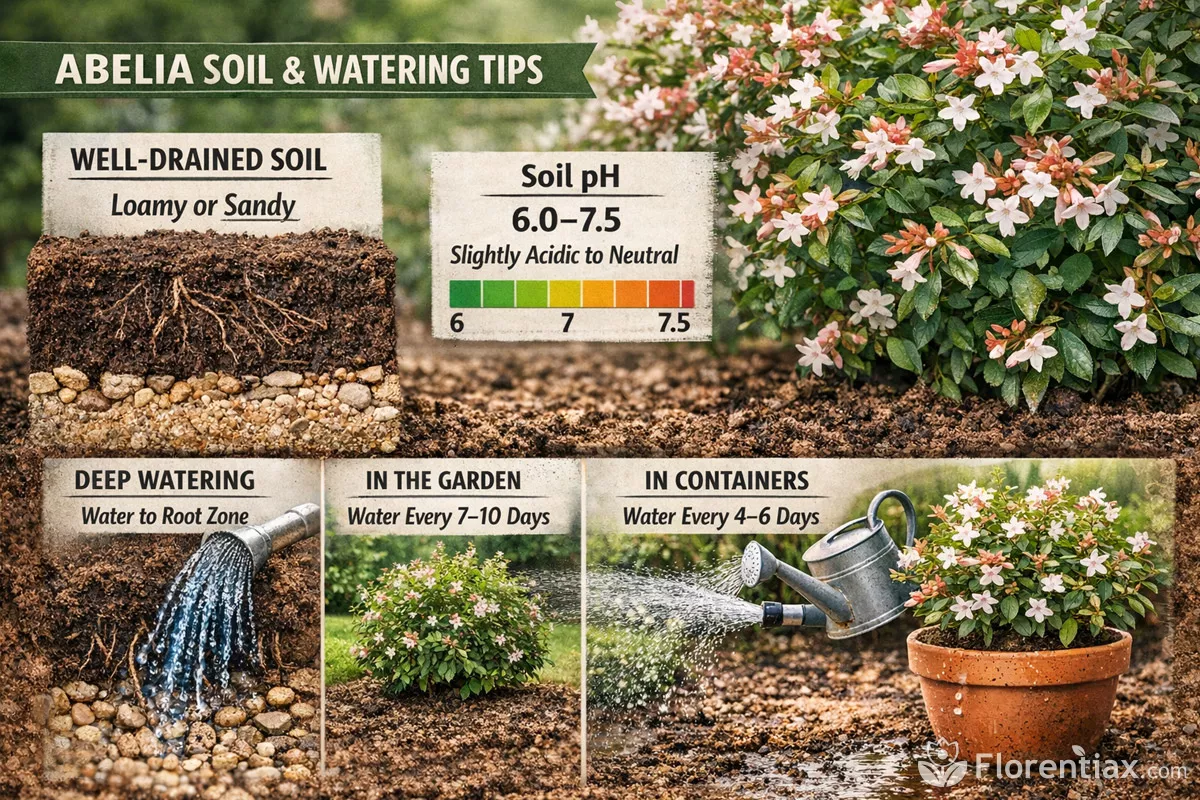
For most garden settings, a loose, slightly acidic to neutral soil works well. When planting in containers, drainage holes are mandatory, and the potting mix should never stay soggy after watering.
| Soil and Water Factor | Recommended Range for Abelia |
|---|---|
| Soil type | Loamy or sandy soil with fast drainage |
| Soil pH | 6.0–7.5 (slightly acidic to neutral) |
| Watering depth | Deep watering to reach the root zone |
| Water frequency (ground) | Once every 7–10 days during active growth |
| Water frequency (containers) | Every 4–6 days, depending on heat and pot size |
When watering Abelia, the goal is to soak the soil thoroughly and then allow the upper layer to dry slightly before the next watering. For an established shrub in the ground, this usually means about 1–2 gallons (4–8 liters) of water per session during dry periods.
In containers, watering needs are higher because soil dries faster. A large pot may require around 2–3 cups (500–700 ml) per watering, adjusted based on temperature and sun exposure.
Signs that watering needs adjustment:
- Too much water: yellowing leaves, soft stems, slow growth
- Too little water: leaf curl, dry leaf edges, reduced flowering
Consistent watering paired with proper drainage keeps Abelia roots healthy, supports steady growth, and helps the plant maintain its long blooming period. Read the full guide: How to Water Indoor Plants.
General Abelia Care and Maintenance
General Abelia care is straightforward once the plant is established. The main goals are to support steady growth, encourage flowering on new shoots, and avoid stress caused by excess water or poor airflow. Abelia responds best to simple, consistent maintenance rather than frequent heavy intervention.
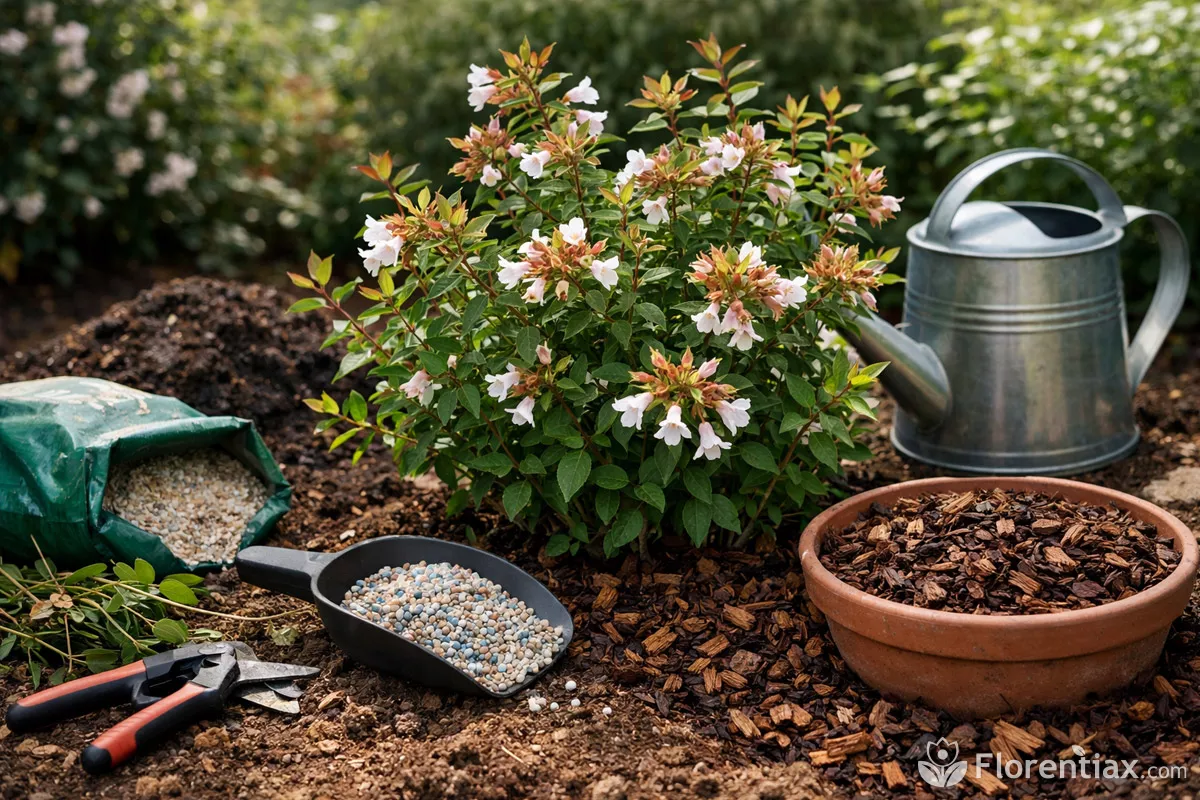
Fertilizing is helpful but should be moderate. Overfeeding leads to leafy growth at the expense of flowers.
| Care Task | Best Practice for Abelia |
|---|---|
| Fertilizer type | Balanced slow-release (10-10-10 or similar) |
| Fertilizing frequency | Once in early spring, optional light feed mid-season |
| Application amount | Follow label rate; usually 1–2 tbsp per plant |
| Mulching depth | 2–3 inches (5–8 cm) around the base |
| Pruning intensity | Light shaping; avoid hard cuts into old wood |
Pruning is best kept light and strategic. Because Abelia flowers on new growth, trimming after the main bloom cycle helps stimulate fresh shoots without sacrificing the next wave of flowers. Remove only weak, damaged, or crossing branches to maintain airflow.
Mulching helps regulate soil moisture and temperature. Apply organic mulch such as bark or compost, keeping it a few inches away from the stems to prevent rot.
Key maintenance principles to follow:
- avoid heavy pruning late in the season
- do not overfertilize, especially with high-nitrogen feeds
- maintain consistent watering during dry periods
- ensure good air circulation around the shrub
With these basics in place, Abelia typically maintains a neat shape, healthy foliage, and reliable flowering year after year without demanding intensive care.
Diseases and Pests Affecting Abelia
Abelia is generally a resilient shrub, but improper growing conditions can lead to a range of diseases and pest problems. Most issues are caused by excess moisture, poor air circulation, or plant stress rather than inherent weakness.
Common Diseases
Most diseases affecting Abelia are related to excess moisture and poor airflow rather than aggressive pathogens. Fungal infections and root problems tend to appear when soil stays wet for long periods or when foliage remains damp.
Common Pests
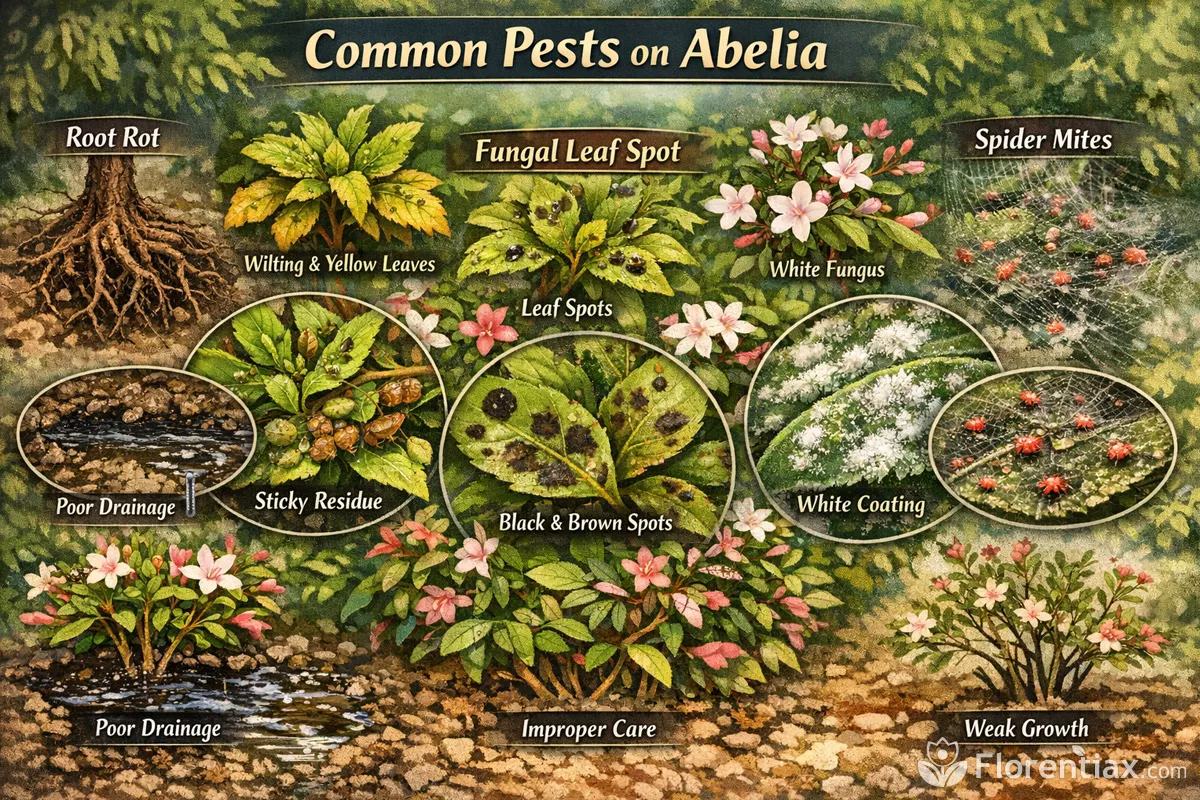
Sap-sucking insects are the primary pests that target Abelia. They weaken the plant by feeding on leaves and stems and may also spread secondary infections.
| Problem or Symptom | Likely Cause | Treatment and Control |
|---|---|---|
| Yellowing leaves | Overwatering, poor drainage, early root stress | Reduce watering, improve soil drainage, allow soil to dry slightly between waterings |
| Wilting despite moist soil | Root rot caused by waterlogged soil | Remove affected plant parts, replant in well-drained soil, avoid standing water; apply fungicide if severe |
| Black or brown leaf spots | Fungal leaf spot disease | Remove infected leaves, improve airflow, apply copper-based fungicide if spreading |
| White powdery coating on leaves | Powdery mildew in humid or crowded conditions | Increase air circulation, avoid overhead watering, treat with sulfur or neem oil |
| Sticky residue on leaves | Aphids or scale insects feeding on sap | Wash leaves with water, treat with insecticidal soap or neem oil |
| Fine webbing and speckled leaves | Spider mite infestation during hot, dry weather | Increase humidity, rinse foliage regularly, apply miticide if infestation persists |
| Distorted new growth | Aphid damage on young shoots | Prune affected tips, apply insecticidal soap weekly until controlled |
| General decline and poor growth | Chronic stress from improper light, soil, or watering | Correct growing conditions; healthy plants resist most diseases naturally |
Most disease and pest problems can be prevented by maintaining proper light exposure, avoiding excessive watering, and ensuring good air circulation around the shrub. Healthy, well-sited Abelia plants rarely require aggressive chemical treatment.
Repotting and Transplanting
Repotting and transplanting Abelia should be done with care, as the plant prefers stable conditions once established. The best time to move or repot Abelia is early spring, just before active growth begins. This timing allows roots to recover quickly and supports strong shoot development.
When transplanting an in-ground shrub, choose a new location that matches its core needs: full sun to light partial shade and soil that drains freely. Avoid low spots where water collects after rain.
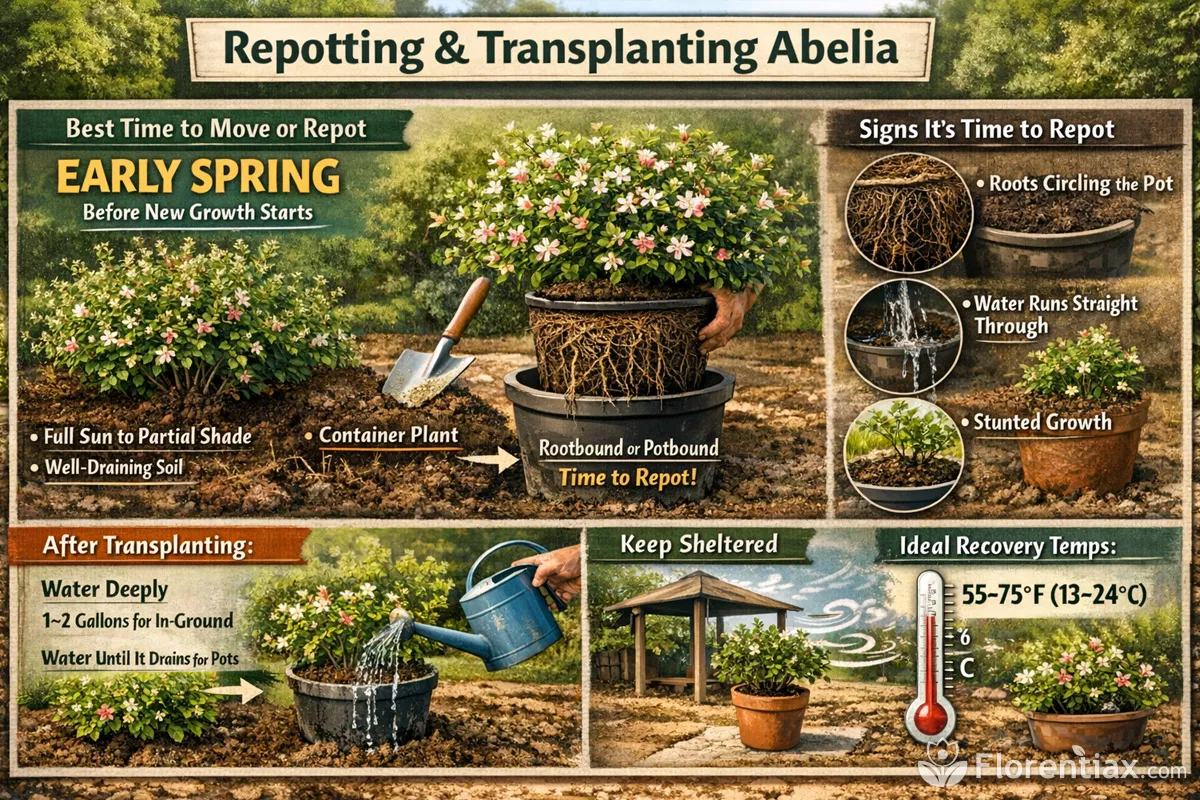
For container-grown Abelia, repotting is usually needed every 2–3 years or when roots begin circling the pot. Signs that repotting is necessary include:
- water running straight through the pot without soaking in
- roots visible at drainage holes
- slowed growth despite proper light and watering
After repotting or transplanting:
- water deeply with about 1–2 gallons (4–8 liters) for in-ground plants
- for containers, water until excess drains freely from the bottom
- keep the plant out of strong wind for the first 7–10 days
Temperatures during recovery should ideally stay between 55–75°F (13–24°C). Avoid transplanting during heat waves or when frost is expected, as these conditions slow root establishment.
With proper timing and gentle handling, Abelia usually resumes normal growth quickly after being moved.
Propagation Methods
Abelia is most reliably propagated through softwood or semi-hardwood cuttings. This method preserves the characteristics of the parent plant and produces uniform, healthy shrubs. Seed propagation is possible but uncommon, as results are inconsistent and slower.
The best window for taking cuttings is late spring to mid-summer, when new growth is firm but still flexible. Cuttings taken too early wilt easily, while woody stems root more slowly.
| Propagation Method | Practical Notes |
|---|---|
| Softwood cuttings | Fastest rooting; taken from fresh, non-flowering shoots |
| Semi-hardwood cuttings | More durable; taken later in summer with slightly firm stems |
| Seed propagation | Rarely used; slow and unpredictable results |
To propagate Abelia from cuttings:
- cut a 4–6 inch (10–15 cm) healthy stem below a leaf node
- remove lower leaves, leaving only the top pair
- insert the cutting into a well-drained rooting mix
- water lightly to settle the soil
Once new growth appears, gradually expose young plants to brighter light. Transplant rooted cuttings into larger pots only after a stable root system has developed.
Seasonal Growth and Blooming
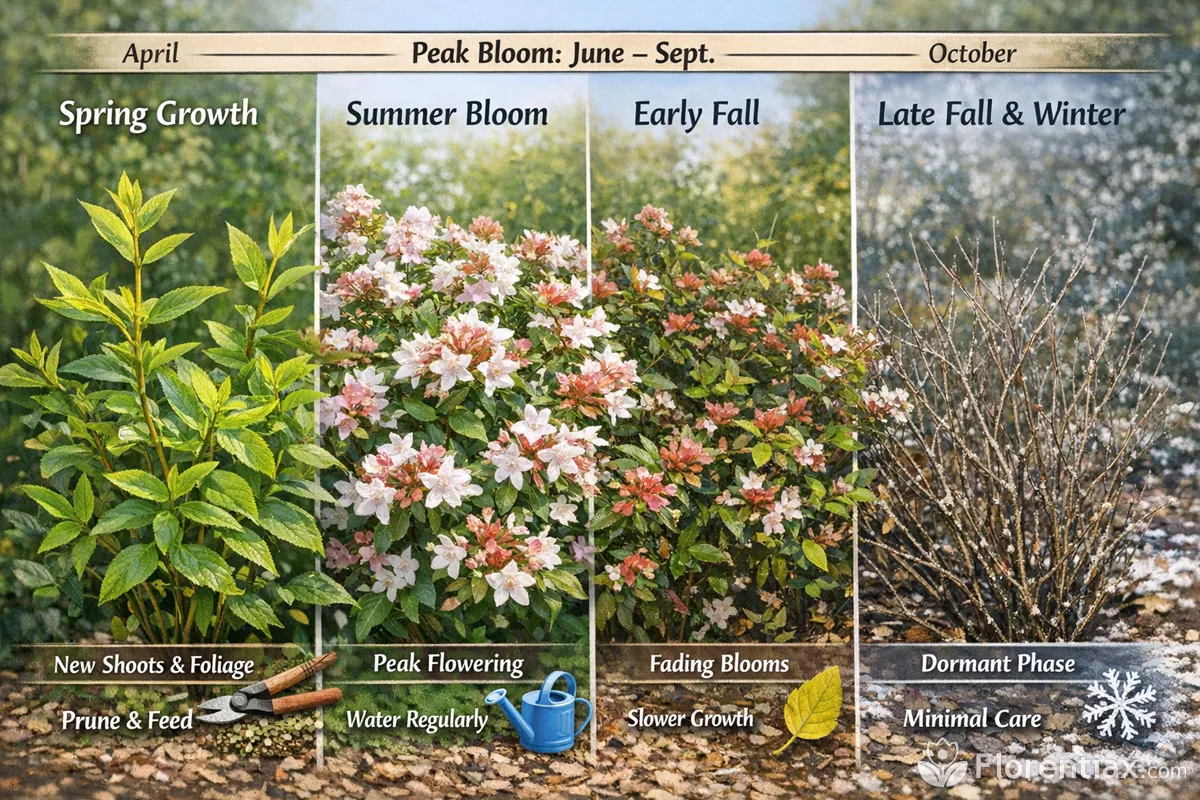
Abelia follows a clear seasonal growth pattern that helps guide care decisions throughout the year. Active growth begins in spring as temperatures rise above about 55°F (13°C). New shoots develop quickly, forming the stems that will later carry flowers.
| Month | Jan | Feb | Mar | Apr | May | Jun | Jul | Aug | Sep | Oct | Nov | Dec |
|---|---|---|---|---|---|---|---|---|---|---|---|---|
| Active Growth | ✓ | ✓ | ✓ | ✓ | ✓ | ✓ | ✓ | |||||
| Flowering | ✓ | ✓ | ✓ | ✓ | ✓ | ✓ | ✓ |
- Flowering start: April–May
- Peak bloom: June–September
- Flowering end: October (sometimes later in warm areas)
Flowering typically starts in late spring or early summer and continues in waves through the warm season. Under good light and consistent care, Abelia can bloom repeatedly until early fall, especially when daytime temperatures stay between 65–85°F (18–29°C).
Seasonal behavior to expect:
- Spring: strong shoot growth; best time for light shaping and feeding
- Summer: peak flowering; steady watering supports continuous bloom
- Early fall: slower growth; flowering tapers as temperatures drop
- Late fall to winter: rest period; minimal care needed
As growth slows toward the end of the season, reduce watering frequency and avoid fertilizing. This allows the plant to harden off naturally before cooler weather arrives. In regions where winter temperatures fall below 20°F (-6°C), foliage may drop or suffer minor damage, but established plants usually recover in spring.
Understanding this seasonal cycle helps prevent common mistakes such as overwatering during dormancy or heavy feeding late in the year. When care follows Abelia’s natural rhythm, the shrub maintains better structure and delivers a longer, more reliable bloom period each season.