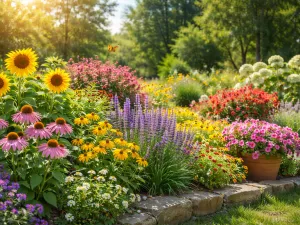
Full Sun Plants That Bloom All Summer

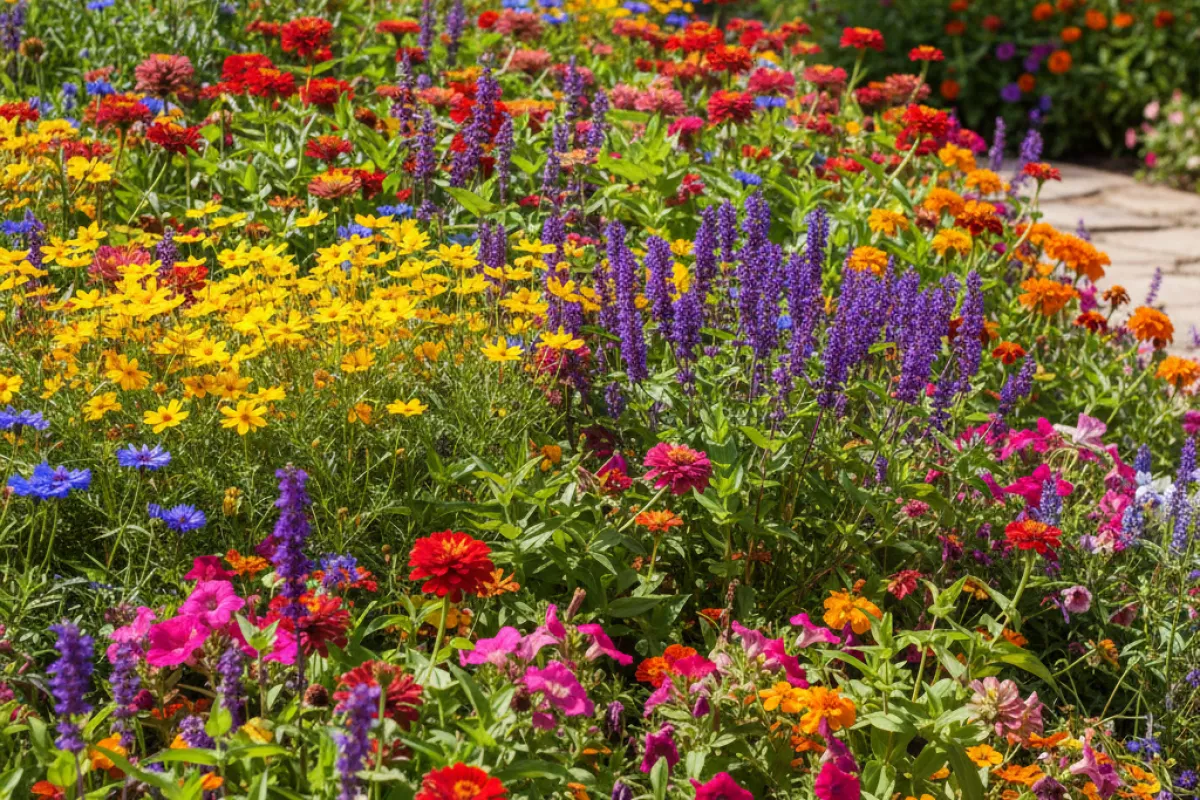 Explains why some sun-loving plants bloom nonstop, what traits make them long-flowering, and which varieties last longest. Covers soil and feeding basics, deadheading and pruning for more flowers, watering in hot months, and how to maintain steady bloom cycles.
For beds and containers that keep producing flowers through the hottest months, choose sun-loving plants that stay vigorous in summer. The best picks handle long days, high heat, and brief dry spells while still looking fresh. This guide highlights reliable bloomers and easy care tips so your garden remains colorful with minimal effort, even when temperatures climb and rain is scarce.
Why some plants bloom continuously in sun
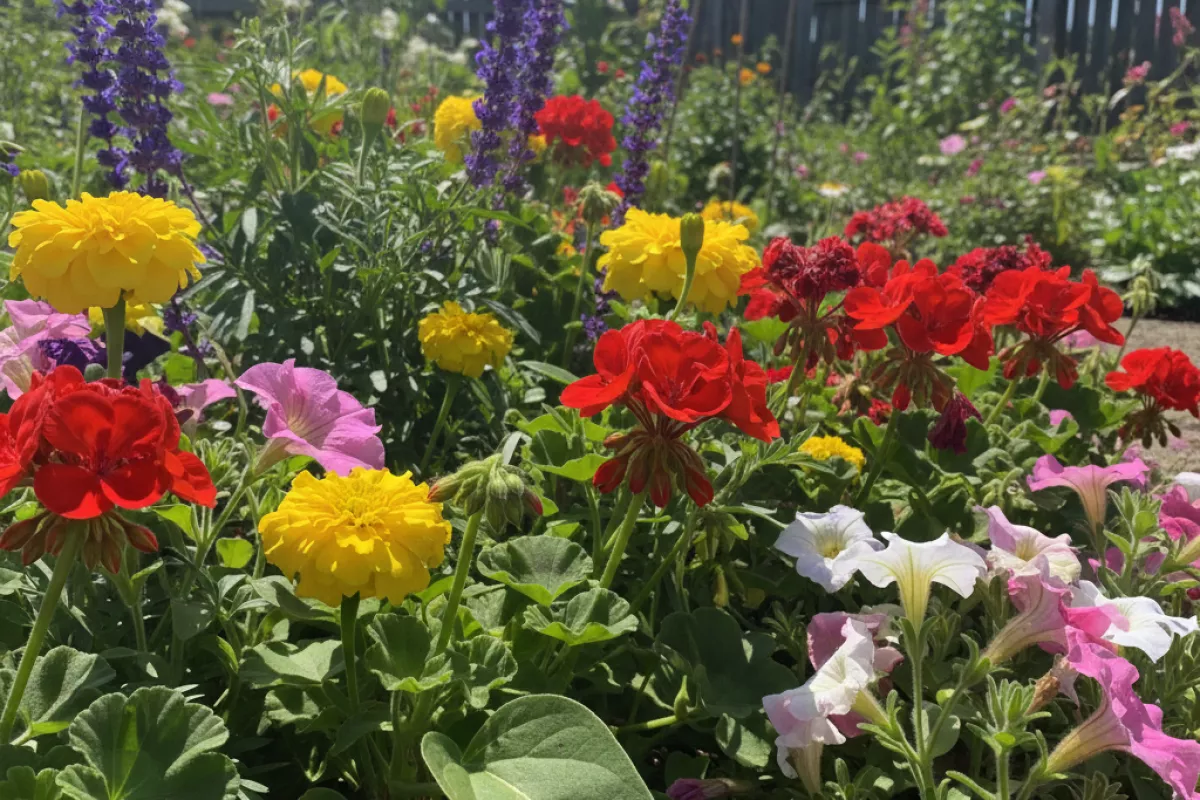
Long-lasting color in bright exposure usually comes down to how a plant manages energy, heat, and timing. Some species are built to keep producing buds as long as they have enough light to fuel growth, while others are programmed to flower once, set seed, and pause. The best “all-summer” performers are the ones that can keep switching from growth to bloom without exhausting themselves.
Full sun can be both a boost and a stressor: it increases photosynthesis, but it also raises leaf temperature and dries soil faster. Plants that flower for months tend to have traits that balance those forces, so they can keep forming new buds even during hot spells.
- They’re genetically “repeat bloomers”: Many continuous bloomers are wired to keep initiating flower buds rather than stopping after one big flush. Instead of putting all their resources into a single seed set, they spread flowering out over time.
- They have efficient energy production in high light: Thick, healthy foliage and good leaf orientation help them capture sunlight without scorching, keeping a steady supply of sugars for new blooms.
- They handle heat and drought better: Waxy leaves, fine hairs, deeper roots, or a compact habit reduce water loss. That matters because a plant under drought stress often drops buds or pauses flowering to survive.
- They “re-bloom” when old flowers are removed: Deadheading interrupts seed formation, which can redirect energy into more buds. Some plants are self-cleaning (spent blooms drop on their own), which is one reason they keep going with less effort.
- They respond well to steady nutrition: Continuous flowering uses nutrients quickly, especially potassium and phosphorus. Too much nitrogen can push leafy growth at the expense of flowers, so balanced feeding tends to support ongoing bud production.
- They have a long bloom window by design: Some plants produce many side shoots and buds over time, so even if individual flowers last only a few days, the plant looks like it’s always in bloom.
| What helps continuous flowering in sun | What you’ll notice in the plant | What to do in the garden |
|---|---|---|
| Strong heat tolerance | Blooms don’t stall when daytime highs reach 29–35°C (85–95°F) | Water deeply in the morning; keep soil evenly moist, not soggy |
| Self-cleaning or easy deadheading | New buds keep forming as old flowers fade | Snip spent blooms weekly, or choose varieties that drop petals on their own |
| Efficient water use (waxy/hairy leaves, deep roots) | Foliage stays firm; fewer dropped buds during dry stretches | Mulch 5–8 cm (2–3 in) to slow evaporation and cool roots |
| Balanced nutrition (not nitrogen-heavy) | Steady bud production instead of only leafy growth | Feed lightly every 2–4 weeks; stop if leaves surge but flowers slow |
| Continuous bud set on side shoots | Fresh flowers appear across the plant, not just at the tips | Pinch or trim lightly after a flush to encourage branching |
If a “sun lover” blooms hard in early summer and then fizzles, it’s often not a lack of sunlight—it’s usually heat stress, inconsistent moisture, or the plant shifting into seed production. Keeping roots cooler with mulch, watering deeply, and removing spent flowers are simple ways to help the best full-sun bloomers keep their rhythm through the season.
Characteristics of long-flowering species
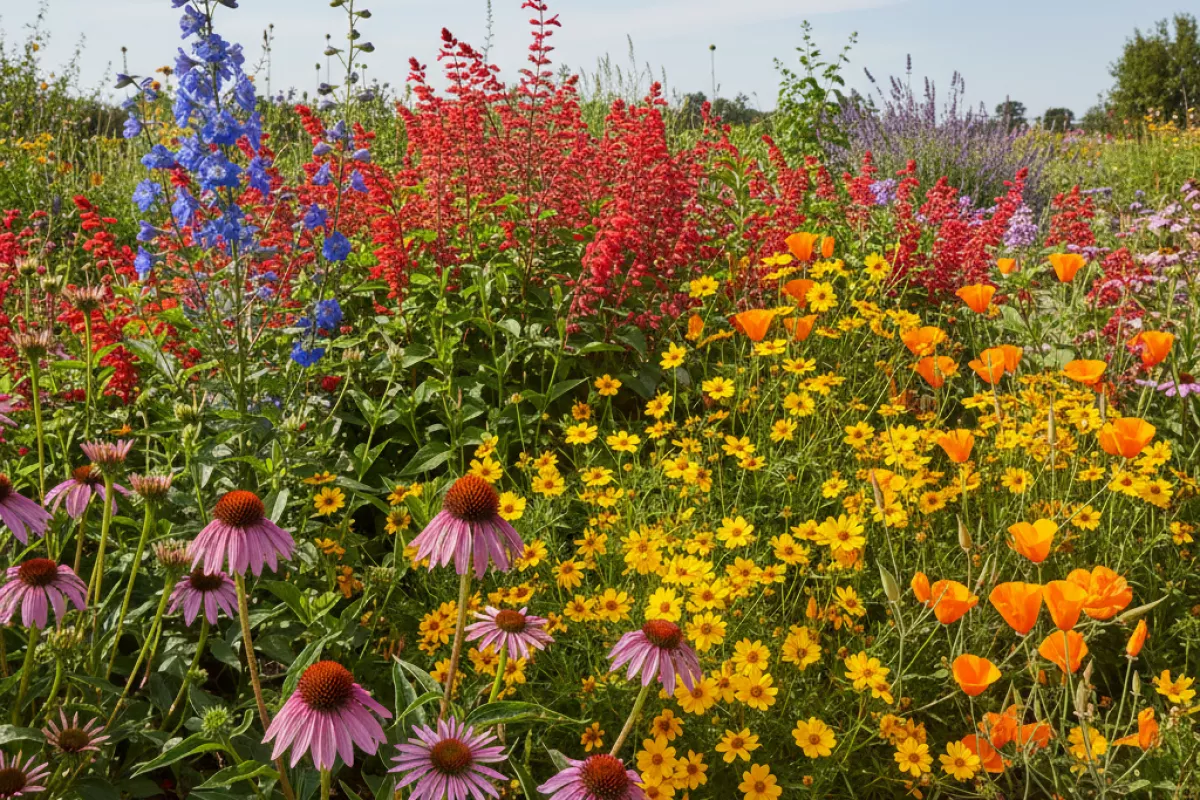
Plants that keep producing flowers through the hottest months usually share a few practical traits: they can handle intense light without scorching, they recover quickly after blooming, and they don’t “shut down” the moment the soil dries a little. In full sun gardens, these qualities matter as much as flower color.
- Continuous bud production: Long-season bloomers form new buds while older flowers are still fading, rather than blooming once and stopping. This is often tied to branching stems and lots of growing points.
- Heat tolerance without flower drop: Reliable summer performers keep petals and buds even when daytime temperatures hover around 30°C (86°F) or higher, instead of aborting blooms during heat spikes.
- Efficient water use: Many have narrow, leathery, or slightly fuzzy leaves that limit moisture loss. They may still like regular watering, but they’re less likely to collapse if you miss a day.
- Built-in “self-cleaning” or easy deadheading: Some shed spent blooms on their own; others respond fast when you remove faded flowers. Either way, keeping old blossoms from turning to seed helps extend the flowering window.
- Balanced growth, not just fast growth: The best all-summer bloomers keep making both leaves and flowers. If a plant puts all its energy into tall stems, it can look leggy and bloom less until it’s cut back.
- Strong rooting and nutrient uptake: Deep or fibrous root systems help plants stay steady in bright, drying conditions. Consistent nutrition matters too, especially in containers where nutrients wash out quickly.
- Good disease resistance in warm weather: Long bloom periods only happen if foliage stays healthy. Varieties that resist powdery mildew and leaf spot are more likely to keep flowering instead of limping through late summer.
In practice, you’ll notice these traits when a plant keeps looking “fresh” after a week of sun: new buds are visible, stems stay sturdy, and leaves don’t crisp at the edges. If you’re choosing between similar options, pick the one described as branching, heat-tolerant, and quick to rebloom, and plan on light trimming plus regular moisture to keep flowers coming.
Best varieties for extended blooming
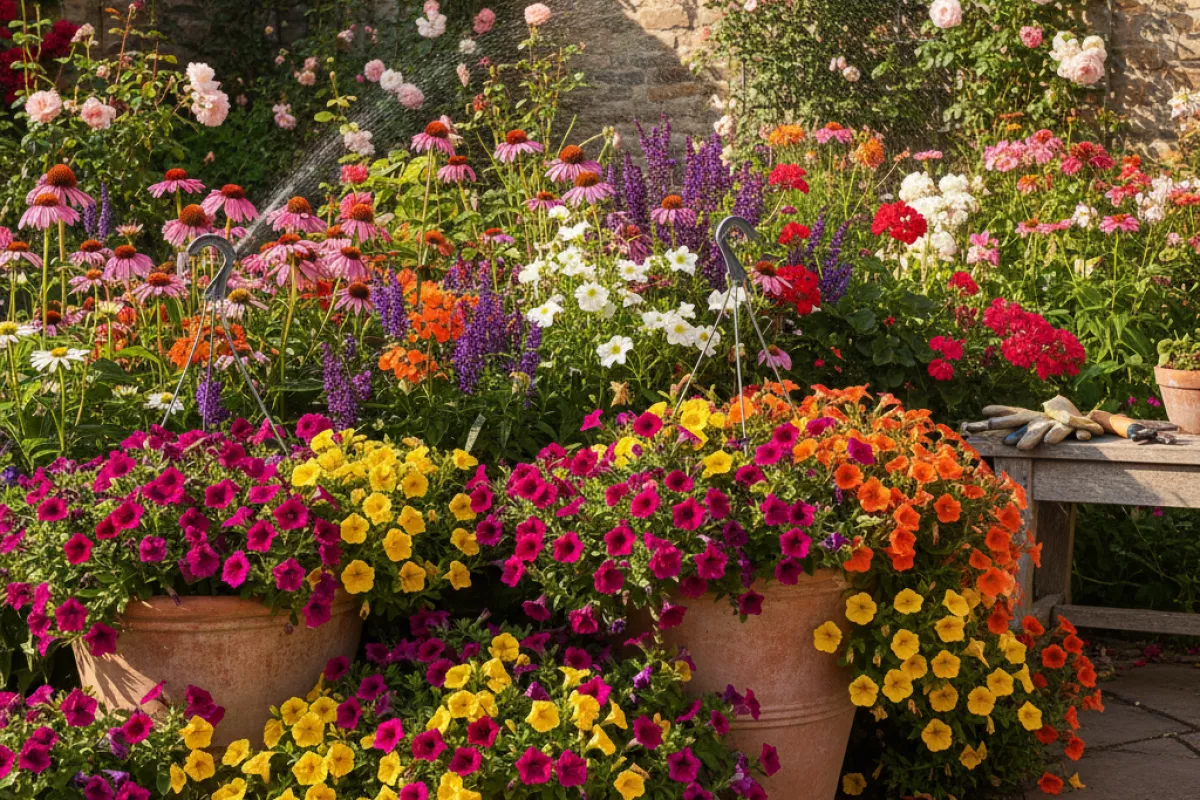
For flowers that keep going in full sun, look for plants that either self-clean (drop spent blooms on their own) or respond well to deadheading. Mixing a few “workhorse” annuals with long-flowering perennials gives you color from early summer into fall, even when heat and bright light are intense.
| Plant | Type | Bloom window | Sun & water notes | How to keep it flowering |
|---|---|---|---|---|
| Calibrachoa (Million Bells) | Annual | Late spring to frost | Full sun; moderate water, let the top 2.5 cm (1 in) dry between waterings | Mostly self-cleaning; pinch back stems by 5–10 cm (2–4 in) midseason if it gets leggy |
| Lantana | Annual or tender perennial | Early summer to frost | Full sun; drought-tolerant once established | Light deadheading speeds rebloom; shear lightly after a big flush |
| Zinnia | Annual | Early summer to frost | Full sun; water at the base to reduce mildew | Cut flowers often; remove spent blooms to keep buds coming |
| Angelonia (Summer Snapdragon) | Annual | Early summer to frost | Full sun; heat-hardy, moderate water | Self-cleaning; trim back by about 1/3 after a lull |
| Salvia (heat-loving annual types) | Annual | Late spring to frost | Full sun; average water, good drainage | Snip off faded spikes to trigger new flowering stems |
| Coreopsis (Tickseed) | Perennial | Early summer to late summer (often longer) | Full sun; drought-tolerant after establishment | Deadhead regularly, or shear by 5–8 cm (2–3 in) to reset blooms |
| Gaillardia (Blanket Flower) | Perennial | Early summer to fall | Full sun; thrives in lean, well-drained soil | Remove spent flowers; avoid heavy fertilizing to prevent floppy growth |
| Rudbeckia (Black-eyed Susan) | Perennial | Mid-summer to fall | Full sun; moderate water, tough once established | Deadhead to extend; leave some seedheads late for birds if you like |
| Catmint (Nepeta) | Perennial | Late spring to early fall (with a cutback) | Full sun; drought-tolerant, prefers drainage | Shear after the first flush by about 1/3 to prompt a strong repeat |
| Daylily (reblooming varieties) | Perennial | Early summer into late summer (variety-dependent) | Full sun; average water, very adaptable | Remove spent scapes and faded blooms; divide crowded clumps every 3–5 years |
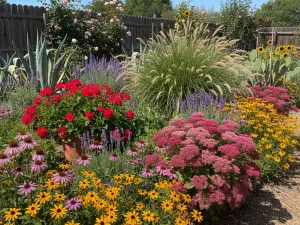
If you want the longest show with the least fuss, combine a self-cleaning spiller (like calibrachoa) with an upright “spike” bloomer (salvia or angelonia) and one heat-proof perennial (coreopsis or gaillardia). That mix covers gaps when one plant pauses, and it keeps your full-sun beds and containers looking lively without constant replanting.
Soil and feeding requirements
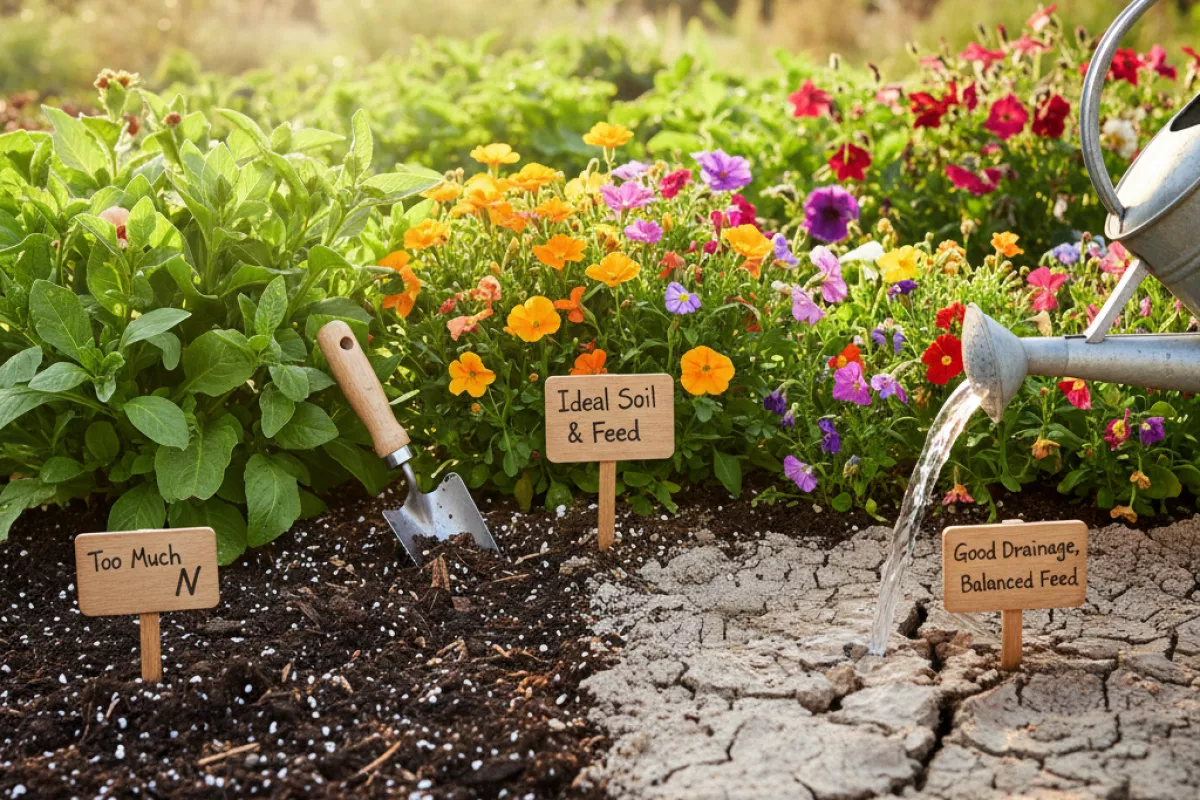
Long-blooming, sun-loving plants perform best when the ground drains well, holds some moisture, and isn’t overloaded with fast-release nitrogen. If growth is lush but flowers are sparse, feeding is usually the culprit; if plants look stressed and stall, drainage and watering habits are often the issue.
- Start with drainage. Most full-sun bloomers dislike “wet feet.” If water sits on the surface for more than 1–2 hours after a thorough soak, loosen the area and add organic matter to improve structure.
- Aim for a crumbly, moisture-retentive mix. Work in 5–8 cm (2–3 in) of compost into the top 15–20 cm (6–8 in) of soil. This helps sandy beds hold water and helps heavy beds drain more evenly.
- Keep pH in the middle unless a plant needs otherwise. Many summer-flowering annuals and perennials are happiest around pH 6.0–7.0. If leaves yellow between veins (chlorosis), especially in alkaline soil, consider an iron supplement and avoid over-liming.
- Use mulch strategically. A 5–7.5 cm (2–3 in) layer of shredded bark or composted leaves reduces evaporation and buffers heat. Keep mulch 5 cm (2 in) away from stems to prevent rot.
- Feed lightly but consistently. For containers and heavy feeders, a steady, low-dose approach usually supports continuous flowering better than occasional strong doses.
| Situation | What to do | Why it helps summer bloom |
|---|---|---|
| New planting bed looks compacted | Mix in 5–8 cm (2–3 in) compost; loosen to 15–20 cm (6–8 in) depth | Roots expand faster, improving water uptake and flower production |
| Soil stays soggy after watering or rain | Raised bed by 10–20 cm (4–8 in) or add coarse organic matter; avoid overwatering | Reduces root stress and fungal issues that interrupt flowering |
| Plants are leafy but not blooming | Cut back on high-nitrogen fertilizer; switch to a bloom-leaning formula | Too much nitrogen pushes leaves over buds |
| Container plants fade midseason | Use slow-release fertilizer plus a liquid feed every 7–14 days | Pots leach nutrients quickly; steady feeding keeps buds coming |
| Flowers are smaller and fewer during heat | Deep-water early; add mulch; feed at half-strength until temperatures ease | Heat stress reduces uptake; gentler feeding avoids salt burn |
As a simple baseline, mix compost in at planting time, then top-dress beds with 2.5–5 cm (1–2 in) compost once or twice during the season. For flowering annuals and patio pots, a slow-release fertilizer at planting plus a diluted liquid feed can keep color going without forcing weak, floppy growth.
Deadheading and pruning for more flowers
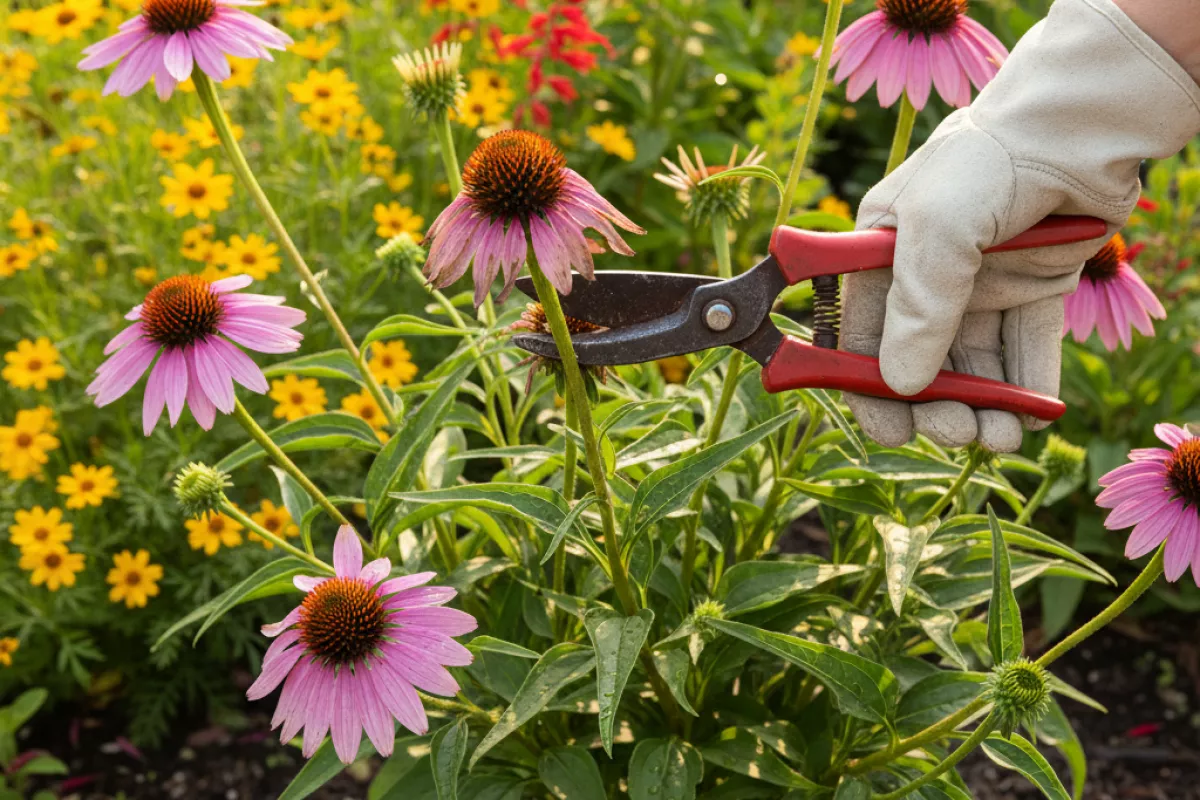
Removing spent blooms and making a few well-timed cuts keeps many full-sun favorites producing instead of switching into seed-making mode. It also improves airflow and light penetration, which can reduce disease pressure and help plants keep their shape through the hottest part of the season.
- Deadhead as soon as flowers fade: Snip off the whole flower head (and the short stem beneath it) before it forms seed. On plants with long stems, cut back to the next set of healthy leaves or a side bud so the plant can branch and rebloom.
- Use the “down to a leaf node” rule: Make cuts just above a leaf node or side shoot. That node is where new growth will push, giving you more flowering stems rather than a bare stub.
- Shear when blooms are tiny and numerous: For mounding plants with lots of small flowers, a light haircut is faster than individual snips. Remove about 5–10 cm (2–4 in) of growth, then water once and let the plant recover.
- Pinch early for bushier plants: When stems are young, pinch out the tip to encourage branching. This can delay the first flush slightly, but often leads to a longer, steadier run of flowers later.
- Rejuvenate leggy midsummer growth: If a plant gets floppy or sparse, cut it back by about one-third. Give it a deep soak and a light feeding if you fertilize, and it typically rebounds with fresh foliage and new buds.
- Know when not to remove seed heads: If you want self-sowing annuals or you’re leaving seed for birds, stop trimming near the end of the season and let some heads mature.
| Plant type in sunny beds | Best approach | Where to cut | What you’ll notice |
|---|---|---|---|
| Large single blooms (e.g., coneflower-type forms) | Selective removal | Back to a side bud or leaf pair | More side stems and a cleaner look |
| Many small blooms on mounds (e.g., bedding-style growers) | Light shearing | Evenly across the top, 5–10 cm (2–4 in) | Quick reset and a new flush in 1–3 weeks |
| Sprawling, heat-stressed midsummer plants | Harder cutback (about one-third) | To strong, leafy stems; avoid bare wood | Less flopping and better late-season bloom |
| Repeat-blooming shrubs (sun-loving landscape shrubs) | Targeted pruning after a flush | Just above outward-facing buds | Improved shape and more buds without over-thinning |
Keep tools sharp and clean so cuts heal quickly, especially in hot weather. If you’re pruning during a heat wave, do it in the cool of morning and avoid removing more than about 10–15% at once unless the plant is vigorous and well-watered.
Watering during hot months
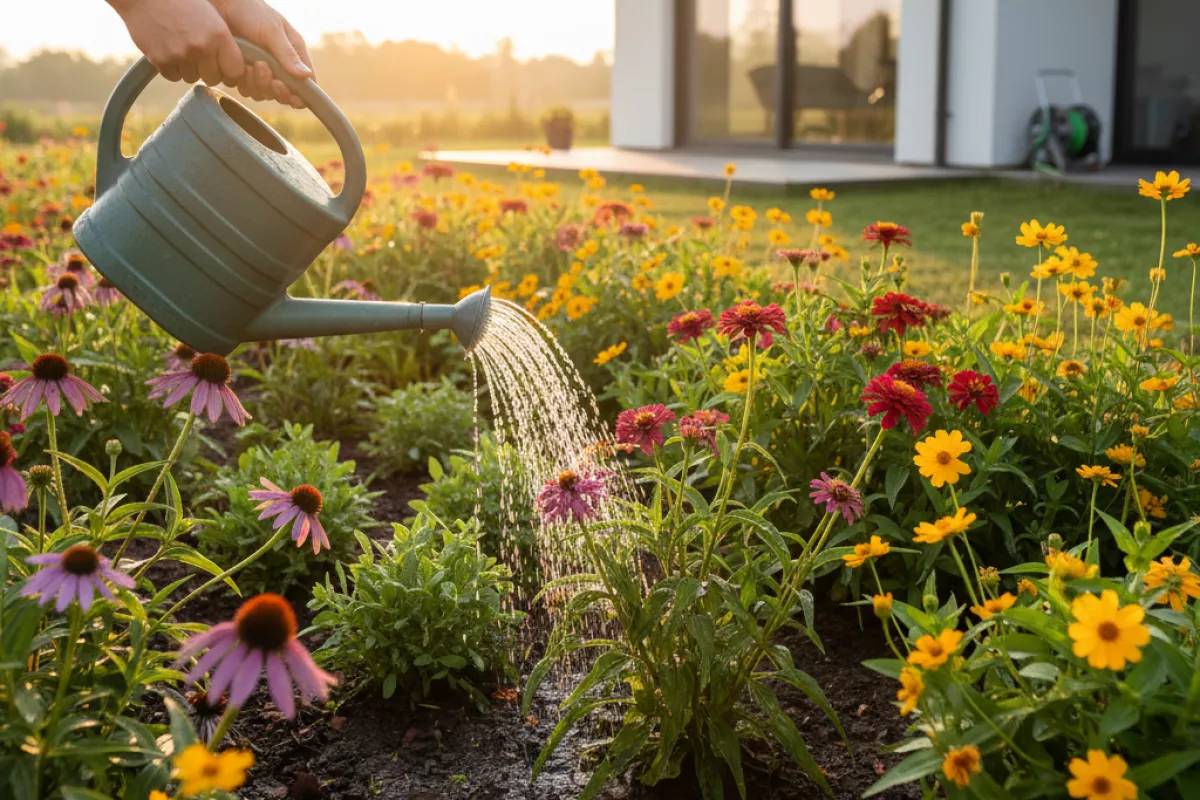
Heat and full sun can dry soil faster than most bloomers can replace moisture, so the goal is steady hydration without keeping roots soggy. A simple rhythm works best: water deeply, let the top layer dry a bit, then repeat. If you’re unsure, check moisture 5–8 cm (2–3 in) down; if it feels dry at that depth, it’s time.
- Water early, not late. Morning watering (before the day heats up) reduces evaporation and gives foliage time to dry. Evening watering can be fine in very hot, arid climates, but avoid leaving leaves wet overnight where humidity is high.
- Soak the root zone. Aim the stream at the base of the plant and water slowly so it penetrates 15–20 cm (6–8 in) deep. Quick splashes encourage shallow roots and more stress during heat waves.
- Use mulch as a moisture buffer. A 5–8 cm (2–3 in) layer of shredded bark, leaf mold, or compost keeps the soil cooler and slows drying. Keep mulch a few cm (about 1 in) back from stems to prevent rot.
- Adjust for containers. Pots in full sun can need water daily in extreme heat, sometimes twice on very hot days. Choose larger containers when possible and make sure water runs out the drainage holes; empty saucers so roots don’t sit in water.
- Watch for “false thirst.” Midday wilting can happen even when soil is moist because plants temporarily close stomata. Check soil before watering; if it’s still damp below the surface, wait until evening or the next morning.
- Prioritize new plantings. Freshly planted perennials and annuals need more frequent watering until roots expand. For the first 2–3 weeks, keep the root ball consistently moist (not saturated), then transition to deeper, less frequent soakings.
| Situation | What to do |
|---|---|
| Leaves droop at midday but recover by evening | Check soil 5–8 cm (2–3 in) down; water only if it’s dry. Consider adding 5–8 cm (2–3 in) mulch to reduce heat stress. |
| Soil dries out within hours of watering | Water more slowly and longer to reach 15–20 cm (6–8 in) depth; improve soil with compost and use mulch to cut evaporation. |
| Container plant wilts repeatedly in full sun | Move the pot to morning sun/afternoon shade during heat spikes, or use a larger pot; water until it drains freely, then recheck later the same day. |
| Yellowing leaves and constantly wet soil | Reduce frequency, confirm drainage, and let the top few cm (about 1–2 in) dry between waterings; avoid heavy watering right before a cool, cloudy stretch. |
One more practical tip: if you’re using a sprinkler, switch to drip lines or a soaker hose during the hottest stretch. Keeping water on the soil instead of the foliage is usually more efficient, and it helps full-sun bloomers stay productive without inviting disease.
Maintaining bloom cycles
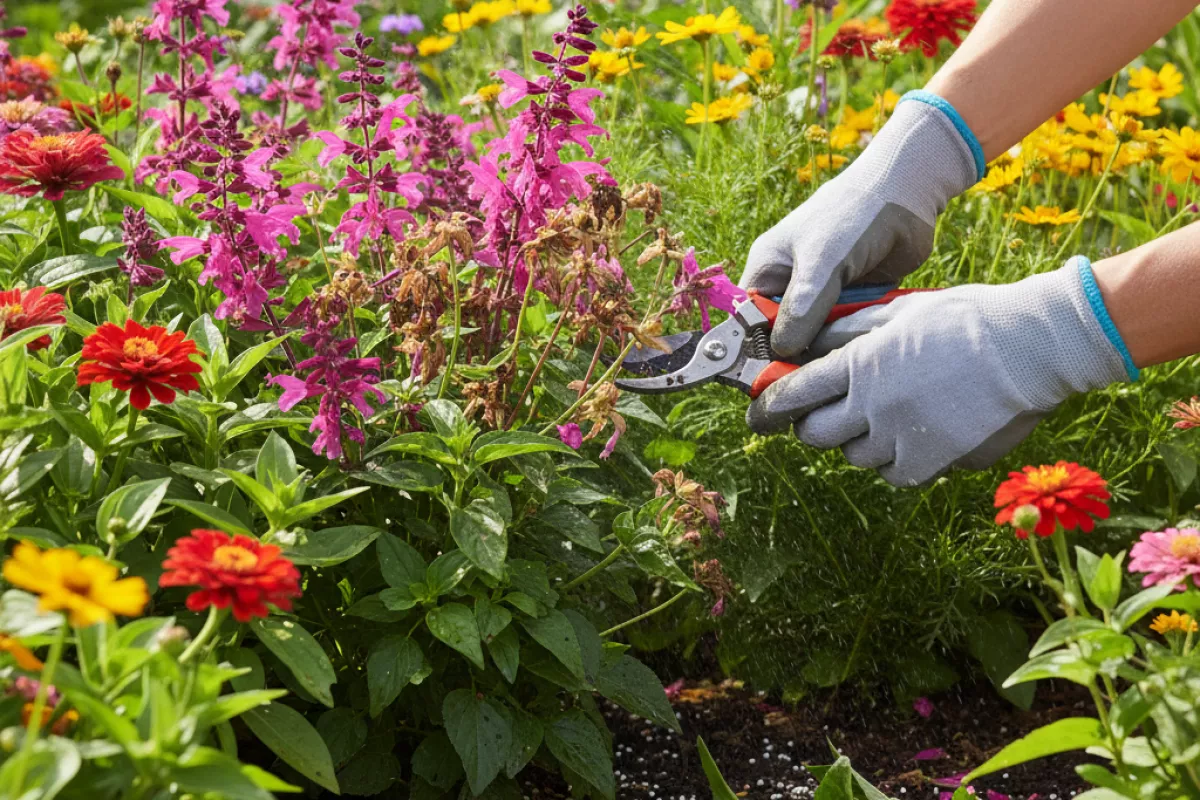
To keep full-sun flowers producing week after week, focus on three levers: timely grooming, steady moisture, and light-but-regular feeding. Most “all-summer” performers bloom in waves; your job is to prevent the plant from switching into seed-making mode too early and to avoid stress that causes a pause.
- Deadhead with a purpose. Remove spent blooms before they form seed. For single flowers, snip the stem back to the next set of leaves; for spikes (salvia, veronica), cut the faded portion down to a fresh side shoot. For mass bloomers like zinnias and cosmos, harvesting a few stems for a vase often doubles as deadheading.
- Try a midseason cutback for a second flush. When plants look tired or leggy, shear them by about 1/3. Do this after a heavy bloom cycle ends, not right before a heat wave. Examples: petunias, calibrachoa, verbena, and some salvias respond well to a reset.
- Water deeply, then let the surface dry slightly. In full sun, shallow daily sprinkling encourages weak roots and bloom drop. Aim for a thorough soak that reaches 15–20 cm (6–8 in) deep, then water again when the top 2–5 cm (1–2 in) is dry. Containers may need more frequent watering because they heat up faster.
- Mulch to stabilize moisture and soil temperature. A 5–8 cm (2–3 in) layer of shredded bark or compost keeps roots cooler and reduces the boom-bust cycle that can interrupt flowering. Keep mulch a few cm (about 1 in) away from stems to prevent rot.
- Feed lightly, and match fertilizer to the plant. Too much nitrogen pushes leafy growth at the expense of buds. For in-ground beds, a slow-release, balanced fertilizer at label rates is usually enough. For containers, use a diluted liquid feed every 7–14 days, about 1/2 strength, and flush the pot with plain water monthly to reduce salt buildup.
- Pinch early, support later. Pinching young plants (removing the top 2–3 cm / 1 in) encourages branching and more bloom sites. As stems lengthen, discreet staking or a support ring prevents flop, which can shade buds and shorten the flowering period.
- Stay ahead of pests and disease. Check undersides of leaves weekly for aphids, spider mites, and thrips. A strong spray of water often knocks pests back; remove badly affected stems. Good spacing and watering at the soil line help prevent mildew that can slow bud production.
- Keep an eye on heat and humidity pauses. Some plants briefly stall when nights stay above 21°C (70°F). During these stretches, prioritize morning watering, provide temporary afternoon shade for containers if possible, and avoid heavy fertilizing until temperatures ease.
If you’re not sure what’s limiting flowers, use a quick diagnosis: lots of leaves but few buds usually points to excess nitrogen or insufficient light; buds that form then drop often trace back to inconsistent watering; and a big bloom followed by nothing typically means the plant needs deadheading or a cutback to trigger the next round.