How Seasonal Shifts Affect Plant Watering Needs

 Here we why plant watering needs change with the seasons and how temperature, light, growth, dormancy, and soil moisture affect water use. It also explains how to adjust watering through the year, spot signs of too much or too little water, and avoid common seasonal mistakes.
- Why plant watering needs change with the seasons
- How temperature and light affect water usage
- Differences in watering during growth and dormancy
- Adjusting watering routines across the year
- How soil moisture behaves in different seasons
- Signs plants need more or less water seasonally
- Common mistakes when ignoring seasonal changes
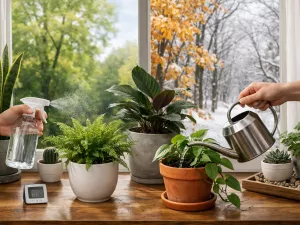
As temperatures, daylight, and humidity shift through the year, plants seldom thrive on the same watering schedule for long. Seasonal changes affect how quickly soil dries and how actively roots take up moisture, so adjusting care helps avoid both soggy soil and drought stress. By paying attention to weather, light levels, and whether a plant is growing or resting, you can keep watering more consistent and support healthier roots year-round.
Why plant watering needs change with the seasons

Plants do not use water at the same rate all year. Their needs shift because the environment around them changes, and because the plant itself changes its pace of growth. A pot that dries in three days during late spring may stay damp for more than a week in winter, even when the plant looks healthy. That difference is normal, not a sign that your routine has failed.
Seasonal watering changes are mainly driven by how quickly water leaves the potting mix and how actively the plant is replacing that moisture. Water is lost through evaporation from the soil surface and through transpiration from leaves. When days are brighter, warmer, and longer, both processes usually increase. When light drops and temperatures cool, the same plant often slows down and uses less.
Plants respond to more than the calendar
It helps to think in terms of conditions rather than fixed dates. “Summer watering” and “winter watering” are useful ideas, but actual needs depend on your home, garden, and climate. A plant in a sunny south-facing window may still dry quickly in January, while one in a cool hallway may barely need water in early autumn.
- Day length: Longer days usually support more active growth and higher water use.
- Indoor heating: Heated rooms can dry air and soil faster, even during cold months.
- Rainfall patterns: Outdoor plants may need less supplemental water during wet seasons and much more during dry spells.
- Plant type: A fern and a cactus will react very differently to the same seasonal shift.
Roots and soil are part of the seasonal picture
Watering is not only about leaves. Root activity changes through the year, and soil biology does too. In warm conditions, roots often absorb water and nutrients more efficiently. In cooler conditions, uptake slows, and wet soil can stay wet too long. That is why overwatering becomes more common in autumn and winter: growers often keep giving summer amounts when the root system is no longer using them.
Seasonal awareness also improves related care. Feeding, pruning, and repotting all influence water demand. A freshly pruned plant with fewer leaves may need less moisture for a short period. A root-bound plant in active growth may need more frequent checks because there is less soil to hold water.
Editor’s note: If you struggle with watering, stop tying it to a strict weekly schedule. A quick finger test to 2.5 cm (1 in) below the surface often tells you more than the date on your calendar.
How temperature and light affect water usage

Temperature and light are two of the biggest reasons watering needs rise and fall. They affect how fast moisture leaves the soil, how much water the plant moves through its tissues, and how strongly it grows. Even a healthy plant can suffer if watering habits stay the same while these two factors shift.
Warmth speeds up drying and plant activity
As temperatures rise, water evaporates faster from the soil surface and from the sides of porous pots such as terracotta. Plants also tend to transpire more, especially if they are producing fresh leaves or flowers. A room at 26°C (79°F) will usually dry a pot faster than one at 18°C (64°F), even with the same plant and soil mix.
Heat stress, however, is not the same as thirst. In very hot weather, leaves may wilt temporarily in the afternoon because the plant is losing water faster than it can move it upward. If the soil is still moist, adding more water can make the root zone too wet. It is better to check the soil before reacting to leaf droop alone.
Light drives growth and demand
Light affects watering because it powers photosynthesis. In brighter conditions, many plants produce more energy, grow faster, and use more water. In low light, growth slows and the pot stays wet longer. This is especially noticeable indoors during winter, when even a bright room can provide much less usable light than it did in summer.
Artificial lighting changes the equation. Plants grown under quality grow lights for 12 to 14 hours a day may continue using water steadily through colder months. A houseplant under a lamp 20 to 30 cm (8 to 12 in) away can behave more like a spring plant than a winter one.
Humidity and airflow also matter
Temperature and light do not work alone. Dry air and moving air increase water loss. A plant near a radiator, heat vent, or fan may need more frequent monitoring than one elsewhere in the same room. Outdoors, windy weather can dry containers quickly, especially hanging baskets and raised beds.
- High temperature + bright light: Usually the fastest water use and the most frequent checks.
- Cool temperature + low light: Slow drying, lower uptake, and the greatest risk of overwatering.
- Warm room + low winter humidity: Common indoor setup where leaf edges dry out while soil still needs careful management.
- Bright light + small pot: Water disappears quickly because there is limited soil volume to store it.
When you understand the balance of warmth, light, humidity, and airflow, watering becomes less guesswork. You stop asking, “How often should I water?” and start asking, “How fast is this plant using moisture right now?”
Differences in watering during growth and dormancy

Plants in active growth and plants in dormancy should not be watered the same way. Growth periods usually bring new roots, leaves, stems, and flowers, all of which need a steady supply of moisture. Dormancy is different. The plant is conserving energy, growing little or not at all, and often using far less water. Matching your watering to that rhythm is one of the most reliable ways to avoid stress.
What active growth looks like
During spring and summer, many houseplants and garden plants enter their busiest phase. You may see new shoots, stronger color, longer stems, or flower buds. At this stage, the root system is often taking up water and nutrients quickly, so the soil can dry at a predictable pace. The goal is usually to water thoroughly, then allow the mix to reach the right level of dryness before watering again.
This is also when feeding often makes sense. But feeding and watering are linked. If you increase fertilizer while the plant is drinking more, monitor the soil closely. Nutrients in a pot that dries too much can concentrate around roots and cause burn.
How dormancy changes the rules
Dormancy can be partial or deep, depending on the species. Deciduous plants may lose leaves entirely. Bulbs may die back above the soil. Many succulents and cacti slow sharply in cool, dark conditions. In these phases, roots absorb less moisture, and wet compost can stay cold and airless for too long.
That does not mean “never water.” It means watering should become lighter, less frequent, and more dependent on checking the root zone. Some plants want the mix to dry significantly before the next drink. Others, such as certain tropical foliage plants, still prefer slight, even moisture but with longer gaps between waterings.
Examples by plant category
Different groups have different seasonal patterns, so it helps to know the broad tendencies.
- Tropical foliage plants: Usually slow down in winter but rarely want to go bone dry for long.
- Succulents and cacti: Often need much less water in cool, low-light months and are vulnerable to rot if kept wet.
- Flowering annuals: In peak bloom they can use a surprising amount of water, especially in containers.
- Dormant bulbs and tubers: After dieback, they usually need very little moisture until growth resumes.
Practical tip: If a plant has stopped producing new growth for several weeks and the pot remains heavy, treat that as a cue to reduce watering before yellow leaves appear.
Pruning also interacts with growth and dormancy. A hard cutback reduces leaf area, so water demand drops temporarily. After repotting into a larger container, the extra soil may stay wet longer than the old root ball can use it. Both situations call for patience rather than automatic watering.
Adjusting watering routines across the year

A good watering routine is flexible. Instead of using one fixed pattern all year, adjust how often you check plants, how deeply you water, and what other care tasks you pair with watering. The aim is to respond to changing conditions without swinging from drought to saturation.
Spring: increase gradually
As days lengthen and temperatures rise, many plants wake up before growers notice. Soil begins drying faster, and new growth starts using more moisture. This is the time to increase checks rather than suddenly doubling the amount of water. If a plant that needed water every 10 days in winter now dries in 7 days, let that change happen naturally.
Spring is also a common season for repotting. Fresh mix may hold moisture differently from old compacted soil, so watch the first few watering cycles carefully. If you begin feeding, use moderate strength and avoid fertilizing bone-dry roots.
Summer: monitor peaks and extremes
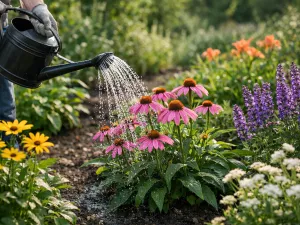
Summer often brings the highest demand, especially for plants in containers, hanging baskets, grow bags, and raised beds. Watering in the early morning is usually best outdoors because roots can absorb moisture before midday heat. Evening watering can also work, but leaves should not stay wet for long in humid conditions.
For indoor plants, summer can mean faster drying from stronger light rather than from heat alone. Rotate plants if one side is drying much faster, and check whether root-bound specimens need repotting.
Autumn: begin tapering off
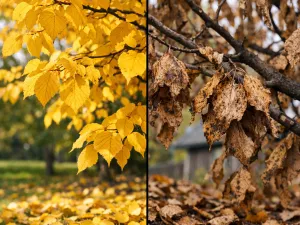
Autumn is where many watering mistakes begin. People often continue summer habits long after growth has slowed. As light falls and nights cool, reduce frequency first, not necessarily the thoroughness of each watering. A deep soak followed by a longer dry period is usually better than repeated small splashes that leave the lower root zone stale.
Winter: prioritize observation over routine
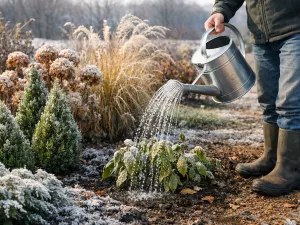
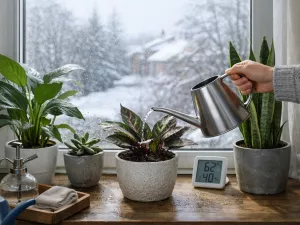
Winter care depends heavily on your setup. Plants in cool rooms with short days may need much less water. Plants in warm rooms under bright windows or grow lights may still need regular moisture. Check the pot weight, the depth of dryness, and the plant’s overall appearance before watering.
- Check the top 2.5 to 5 cm (1 to 2 in) of soil, depending on plant type and pot size.
- Lift the pot if possible to judge whether it feels light or still waterlogged.
- Look for active growth, soft stems, or buds that suggest stronger demand.
- Water thoroughly only when the plant has reached its preferred level of dryness.
- Empty saucers and cachepots so roots are not left standing in water.
Across the year, feeding and pruning should be adjusted alongside watering. Heavy feeding in low-light winter conditions can push weak growth while the roots are using less water. Likewise, pruning in active growth may trigger new shoots that increase demand within a week or two.
How soil moisture behaves in different seasons

Soil moisture is not static. The same compost can behave very differently in July and January, and understanding that behavior helps prevent both underwatering and root rot. Seasonal changes affect evaporation, drainage speed, microbial activity, and how evenly moisture moves through the pot or bed.
Warm seasons often create uneven drying
In spring and summer, the top layer may dry quickly while lower soil remains moist. This is common in larger pots and outdoor containers. Gardeners sometimes water again because the surface looks dry, even though the root zone still holds enough moisture. On the other hand, peat-heavy mixes that have become very dry can shrink from the pot edge and repel water at first, causing runoff rather than proper rewetting.
Mulch can moderate these swings outdoors. A layer of 5 to 7.5 cm (2 to 3 in) helps reduce evaporation, keeps the root zone cooler, and makes moisture levels more stable between waterings.
Cold seasons slow drying dramatically
In autumn and winter, moisture often lingers. Lower evaporation and slower root uptake mean the bottom half of a pot can remain wet long after the surface appears acceptable. This is why drainage matters so much in colder periods. Dense mixes, oversized pots, and poor airflow all increase the chance of roots sitting in stale moisture.
Indoor conditions can be deceptive as well. Heated rooms may dry the top of the pot quickly, but if light is low, the plant may still not be using much from deeper down. Surface dryness alone is not a reliable guide.
| Seasonal condition | How soil tends to behave | What to watch for |
|---|---|---|
| Bright spring growth | Evenly moist soil begins drying faster from top to bottom | Increase monitoring as roots become active |
| Hot summer weather | Rapid surface drying, possible hydrophobic dry pockets | Water thoroughly so the full root ball is rewetted |
| Cool autumn transition | Lower layers stay moist longer while surface still dries | Avoid repeating summer frequency |
| Low-light winter conditions | Slow drying, reduced oxygen in dense wet mixes | Check deeper in the pot before watering |
Soil type matters in every season. A gritty cactus mix drains quickly and needs different timing from a moisture-retentive houseplant blend. In the garden, clay holds water longer than sandy soil, so rainfall patterns affect each differently. Knowing your medium is just as important as knowing the season.
Editor’s note: If water runs straight through a very dry pot, soak it for 10 to 15 minutes instead of watering repeatedly from above. That often rehydrates the root ball more evenly.
Signs plants need more or less water seasonally

Plants often show subtle signs before serious watering problems develop. Seasonal shifts can make those signals easier to misread because the same symptom may mean different things at different times of year. A wilt in midsummer may point to thirst, while a wilt in winter may come from roots that are too wet and struggling to function.
Signs a plant may need more water
When demand rises in spring or summer, plants can outgrow an old watering pattern quickly. New leaves may emerge smaller than usual, flower buds may drop, or the pot may feel much lighter sooner than expected. Dry soil pulling away from the edge of the container is another useful clue, especially in warm weather.
- Leaves droop but recover after watering: Often a sign the plant is using moisture faster than expected.
- Crisp brown edges: Common when transpiration is high and watering has not kept up.
- Fast-drying pots: A root-bound plant may need more frequent checks during active growth.
- Premature flower fade: Blooming plants often show water stress quickly.
Signs a plant may be getting too much
Overwatering symptoms often become more common in autumn and winter, when soil stays wet longer. Yellowing lower leaves, a sour smell from the pot, fungus gnats, and soft stems are all warning signs. If the compost feels damp for many days and the plant is not growing, more water is unlikely to help.
Leaf drop can happen from both extremes, which is why checking the root zone matters. Soft, mushy roots and blackened stem bases point toward excess moisture. Dry, brittle roots and a shrinking root ball suggest the opposite problem.
Season-specific clues worth noticing
Some signs only make sense when viewed in context. During winter, a tropical plant may hold steady with slower growth and lower water use; that is not a deficiency. During spring, stalled growth combined with quickly drying soil may indicate the plant needs both water and feeding support.
- Spring: New growth starts, so watering intervals often shorten.
- Summer: Afternoon wilt should be checked against soil moisture before reacting.
- Autumn: Persistent dampness after several days is a cue to cut back.
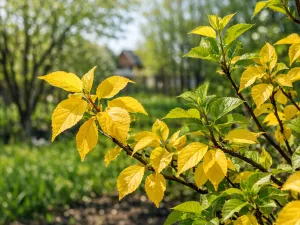
- Winter: Yellow leaves plus wet soil often signal excess water rather than lack of it.
Use multiple clues together: soil feel, pot weight, leaf texture, growth rate, and room conditions. No single symptom is perfect on its own, but the pattern usually becomes clear when you observe the plant as a whole.
Common mistakes when ignoring seasonal changes
The most common watering problems are not caused by bad intentions. They come from repeating the same care routine while the plant’s environment has changed. Seasonal blindness leads to root damage, weak growth, nutrient issues, and avoidable pest problems. Once you know the patterns, these mistakes are much easier to avoid.
Keeping a rigid schedule all year
A fixed “every Sunday” routine is convenient, but it rarely matches real plant needs. In summer, that schedule may be too slow for thirsty containers. In winter, it may be far too frequent. Plants respond to conditions, not to the day of the week.
Watering based only on surface appearance
The top layer of soil can be misleading in every season. It may look dry while the lower root zone is still wet, or it may appear damp while the center of the root ball has dried out. This mistake becomes more serious in cold, low-light months, when roots are more vulnerable to staying wet too long.
Ignoring changes in feeding, pruning, and pot size
Seasonal watering is connected to other care tasks. Feeding heavily while growth is slow can leave salts in the soil because the plant is using less water. Pruning reduces leaf area and temporarily lowers demand. Moving a plant into a larger pot increases the amount of wet soil around the roots, which can slow drying for weeks.
- Overwatering in autumn: Continuing summer habits after light levels drop.
- Underwatering in spring: Missing the moment when growth restarts and demand rises.
- Using tiny sips of water: Wetting only the surface instead of soaking the full root zone.
- Leaving water in saucers: Roots remain saturated, especially risky in winter.
- Treating all plants the same: Ferns, herbs, orchids, and succulents do not follow one rule.
Another overlooked mistake is failing to adjust for location. A plant moved closer to a bright window, outdoors for summer, or away from a radiator may need a completely different watering rhythm. Seasonal care is really a combination of weather, light, room conditions, and plant stage.
The best long-term approach is simple: observe first, water second. Check the soil, notice the growth pattern, and let the season inform your decisions. That habit protects roots, supports stronger growth, and makes every other part of plant care easier.