Preparing Plants for Winter Through Proper Watering

 This article explains why watering before winter matters and how soil moisture affects plant survival in cold weather. It covers when and how to water before freezes, how to avoid overwatering, how to prepare soil for balanced winter moisture, signs plants are ready, and common mistakes to avoid.
- Why proper watering is important before winter
- How moisture levels affect plant survival in cold conditions
- Best watering practices before freezing temperatures
- How to avoid overwatering before dormancy
- Soil preparation to retain balanced moisture in winter
- Signs plants are ready for winter conditions
- Common mistakes when preparing plants for winter
As colder weather approaches, preparing your plants for winter begins with changing how and when you water them. Both overwatering and underwatering can stress plants, especially as growth slows and temperatures fall. By making a few timely adjustments, you can help roots stay healthier, improve cold tolerance, and reduce the risk of damage during the dormant season.
Why proper watering is important before winter

Watering at the end of the growing season does more than prevent temporary dryness. It helps plants enter winter with hydrated tissues, steadier root function, and a better ability to handle wind, frost, and temperature swings. While many gardeners focus on mulching or covering plants, moisture in the root zone is one of the most important forms of cold-weather protection.
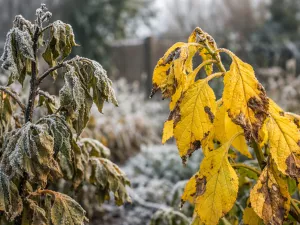
When soil is evenly moist going into winter, roots can continue limited activity until the ground freezes. That matters because roots do not stop working the moment air temperatures drop. Trees, shrubs, perennials, and even cool-season vegetables often keep absorbing water during mild spells in autumn. If they head into dormancy already stressed by drought, they are much more likely to suffer winter burn, dieback, or weak spring growth.
Hydrated plants resist stress better
Plants that are properly watered before winter usually tolerate cold better than those that are dry. Moisture supports cell structure and helps plants maintain internal balance as temperatures fall. Evergreens especially need this support because they continue losing water through their needles or leaves even in winter sunlight and wind.
Dry roots also make it harder for a plant to recover from freezing and thawing cycles. Repeated swings can damage fine roots, and a plant already short on moisture has less reserve to repair itself once temperatures rise again.
Why fall watering matters for different plant types
Not every plant uses water the same way in late season. Newly planted specimens, broadleaf evergreens, and container plants are usually the most vulnerable. Established deciduous shrubs may need less attention, but they still benefit from balanced moisture before the soil locks up in frost.
- New trees and shrubs: Their root systems are still shallow and limited, so they dry out faster than established plants.
- Evergreens: They continue to lose moisture through foliage during winter and often need the most careful autumn watering.
- Perennials: Healthy moisture levels help crowns and roots settle in before hard freezes arrive.
- Container plants: Pots lose moisture quickly and also freeze faster than garden soil, so timing is critical.
A good rule is to think about root moisture, not just surface appearance. Soil can look dark and damp on top while the root zone 10-15 cm (4-6 in) down is already too dry.
How moisture levels affect plant survival in cold conditions

Winter survival is closely tied to what happens below the soil surface. Moisture affects how roots function, how soil holds temperature, and how much stress a plant experiences during freeze-thaw cycles. The goal is not wet soil, but consistently moderate moisture that supports roots without suffocating them.
Cold injury is often blamed only on low temperatures, yet moisture imbalance is frequently part of the problem. Plants in soil that is too dry may desiccate, while those in saturated ground can suffer root rot or oxygen starvation before spring even arrives. The healthiest plants usually go into winter with soil that feels cool, crumbly, and lightly moist rather than muddy or powdery.
Dry soil versus waterlogged soil
Both extremes create problems, but they do so in different ways. Dry soil leaves roots unable to replace water lost from stems and leaves. Waterlogged soil reduces oxygen around roots, which weakens tissues and encourages disease. In winter, this can be especially damaging because cold, wet soil dries slowly and roots recover slowly.
| Soil moisture condition | What happens to plants | Likely winter outcome |
|---|---|---|
| Too dry | Roots cannot supply enough water to stems, buds, and evergreen foliage | Winter burn, dieback, poor spring leaf-out |
| Evenly moist | Roots remain functional until freeze-up and tissues stay better hydrated | Stronger cold tolerance and more reliable spring recovery |
| Too wet | Low oxygen around roots encourages rot and weakens root tissue | Crown damage, root loss, delayed growth in spring |
| Repeatedly shifting from wet to dry | Plants experience stress and unstable root conditions | Reduced resilience during freeze-thaw periods |
How cold weather changes water use
As days shorten and temperatures cool, top growth slows, but roots may remain active until soil temperatures drop close to 4°C (39°F) or the ground freezes. That means plants can still benefit from watering in autumn, especially after dry weather. However, once the ground is frozen, added water no longer moves effectively to roots and can create icy surface conditions instead of helping the plant.
Wind also changes the picture. Winter wind increases moisture loss from leaves and needles, particularly on exposed sites. This is why evergreens planted near driveways, open lawns, or windy corners often show browning by late winter if they were not watered well in autumn.
Best watering practices before freezing temperatures

Good pre-winter watering is about timing, depth, and observation. The aim is to moisten the full root zone before hard freezes arrive, not to keep the garden constantly wet. Deep, occasional watering is usually more effective than frequent shallow sprinkling because it encourages roots to stay lower in the soil, where temperatures are more stable.
The best schedule depends on rainfall, soil type, plant age, and local climate. A cool, rainy autumn may require very little extra irrigation, while a dry fall with windy weather can leave even mature shrubs needing attention. Always adjust to actual conditions rather than following a fixed calendar.
When to water in late autumn
Water in the morning or early afternoon so excess surface moisture can settle before night temperatures drop. Continue checking the soil until the ground begins to freeze. In many regions, this means watering may still be useful well into late autumn, especially for evergreens and recent plantings.
- Check the soil 10-15 cm (4-6 in) deep near the root zone.
- If it feels dry or only slightly damp, water thoroughly.
- Apply water slowly so it soaks in rather than running off.
- Stop once the root area is evenly moist, not saturated.
- Recheck after several days, especially if weather remains dry and breezy.
How much water is usually enough
Rather than measuring by guesswork, think in terms of soaking depth. Most shrubs and perennials benefit when moisture reaches the main rooting area. For trees and larger shrubs, that often means a slower, longer watering session around the drip line rather than right against the trunk.
- Perennials: Aim to moisten the top 15-20 cm (6-8 in) of soil.
- Small shrubs: Water deeply enough to reach about 20-30 cm (8-12 in).
- Young trees: Focus on the root ball and surrounding soil to about 30 cm (12 in) deep.
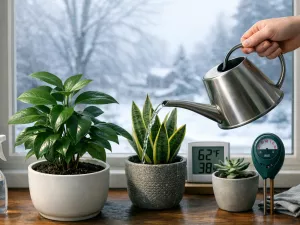
- Containers: Water until excess drains out, then let the mix become lightly moist rather than constantly wet.
Methods that work best
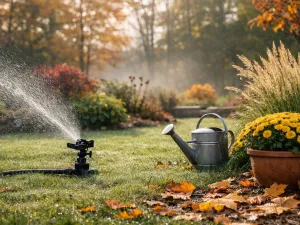
Slow delivery methods are usually safest before winter because they reduce runoff and avoid sudden waterlogging. A hose set to a trickle, a watering wand, or drip irrigation gives better control than overhead spraying. Overhead watering can also leave foliage wet for too long during cool weather, which is less desirable as temperatures fall.
If a plant was installed within the last 12 months, treat it as high priority before winter. New roots have not yet spread far enough to find deep moisture on their own.
How to avoid overwatering before dormancy

Many gardeners know drought is risky, but overwatering in autumn is just as harmful. As plants prepare for dormancy, growth slows and water use drops. If the soil stays constantly wet, roots can sit in cold, airless conditions that invite fungal problems and weaken the plant before winter fully arrives.
The challenge is that cool weather makes wet soil look less dramatic than summer overwatering. Leaves may not wilt, and evaporation is slower, so the problem can go unnoticed. This is why checking the soil directly is more reliable than watering by habit.
Know when not to water
Skip irrigation after steady soaking rain or when the soil already feels moist below the surface. Heavy clay soil in particular can hold water for a long time. Areas near downspouts, low spots, or beds with poor drainage often need less autumn watering than exposed raised beds or sandy borders.
- Do not water on a schedule alone: Cool weeks with little evaporation can leave enough moisture in the ground for days.
- Do not top up lightly every day: Frequent shallow watering keeps the upper layer wet while deeper roots may still be poorly developed.
- Do not ignore drainage: If water pools for more than a few hours, the issue is soil structure, not lack of irrigation.
Warning signs of excess moisture
Overwatered plants in autumn may show subtle symptoms. Yellowing lower leaves, soft stems, blackened crown tissue, and a sour smell in the soil can all point to too much water. In containers, algae on the surface and persistently heavy pots are useful clues that the mix is staying wet too long.
Another sign is delayed hardening off. Plants that continue making soft, lush growth late in the season are often receiving too much water, too much fertilizer, or both. Tender new growth is much more vulnerable to frost damage than mature, firm tissue.
Adjusting for dormancy
As nights cool, reduce watering frequency but keep depth appropriate when you do water. This allows the root zone to stay balanced without encouraging unnecessary top growth. If you are also feeding plants, stop high-nitrogen fertilizers in late season unless a specific crop still needs them, because feeding and excess moisture together can keep plants too active.
Pruning also matters here. Heavy pruning in early autumn can stimulate new growth, which may alter water needs and leave plants less prepared for cold. Save major shaping for the correct season for each plant, and focus in autumn on sanitation, removing diseased material, and avoiding stress.
Soil preparation to retain balanced moisture in winter

Watering works best when the soil can hold moisture evenly and still drain well. If the ground is compacted, sandy, or low in organic matter, water either runs off too quickly or lingers too long. Preparing the soil in autumn helps create a more stable environment around roots through winter and into spring.
This does not mean aggressively digging around established plants just before frost. The goal is gentle improvement: protecting the soil surface, reducing moisture swings, and supporting root health without disturbing plants when they are winding down.
Use mulch to moderate moisture loss
A layer of mulch slows evaporation, reduces rapid temperature shifts, and helps keep the root zone evenly moist. Organic mulches such as shredded bark, leaf mold, composted leaves, or pine needles are especially useful around trees, shrubs, and perennial beds. Apply mulch after the soil is moist but before severe freezing weather sets in.
- Depth for most beds: 5-8 cm (2-3 in) is usually enough to protect the soil surface.
- Around crowns: Keep mulch a few centimeters away from stems and crowns to reduce rot risk.
- For trees: Extend mulch outward toward the drip line when possible, not in a thick mound against the trunk.
Improve soil structure over time
If your garden dries too quickly, adding organic matter can increase water-holding capacity. If it stays soggy, the same organic matter can improve aggregation and drainage over time. Compost is one of the best long-term tools because it supports both moisture balance and soil life.
For established beds, top-dressing with 2-5 cm (1-2 in) of compost is often safer than deep cultivation in late autumn. Earthworms and winter weather will gradually help move it into the soil. In vegetable beds that are being cleared for the season, this is also a good time to remove spent crops, cut back diseased material, and leave the bed clean but protected.
Match preparation to soil type
Different soils need different strategies. Understanding what you have underfoot prevents a lot of winter watering problems.
| Soil type | Main winter moisture issue | Helpful preparation |
|---|---|---|
| Sandy soil | Dries quickly and loses moisture fast in wind | Add compost and mulch to improve water retention |
| Clay soil | Stays wet too long and drains slowly | Avoid overwatering, add organic matter gradually, improve drainage where possible |
| Loam | Usually balanced but still affected by exposure and plant density | Maintain mulch and monitor moisture during dry autumn spells |
| Raised bed mix | Loses moisture faster than in-ground soil | Check more often and mulch the surface before freezes |
Mulch is not a substitute for watering. It helps preserve moisture already in the soil, so water first if the root zone is dry, then mulch to hold that balance longer.
Signs plants are ready for winter conditions

Plants do not become winter-ready overnight. They gradually slow down, harden their tissues, and shift energy into roots, crowns, bulbs, or woody stems. Watching for these changes helps you decide when to reduce watering, stop feeding, and let dormancy progress naturally.
A plant that is ready for winter usually looks settled rather than actively pushing soft new growth. The exact signs vary by type, but the general pattern is the same: less top growth, firmer tissues, and a more stable response to cooler weather.
Visible changes in growth and foliage
Deciduous plants often show readiness by dropping leaves, changing color, and slowing stem extension. Perennials may yellow, collapse, or pull energy back into their crowns. Evergreens are different; they stay leafy, but their growth slows and their tissues become less tender.
- Reduced new growth: Tips stop extending and stems begin to firm up.
- Leaf color change or drop: Normal seasonal yellowing or leaf fall shows dormancy is approaching.
- Stronger stems: Soft, lush shoots become tougher and less sappy.
- Stable moisture use: Soil stays moist longer because the plant is drawing less water.
Root and crown readiness
Even when top growth slows, roots may still be active in cool soil. This is why balanced watering remains useful until freeze-up. A plant is often well prepared when the crown is firm, the soil is moist but not wet, and no tender flush of growth is appearing after warm spells.
Bulbs, crowns, and woody bases should feel solid rather than mushy. If they are soft or discolored, that may indicate excess moisture, disease, or damage rather than healthy dormancy.
What readiness does not look like
Plants heading into winter should not be producing lots of fresh, pale green growth. They also should not be sitting in soggy soil or showing severe wilt from dryness. Either extreme suggests the plant is entering cold weather under stress, which can reduce survival and spring performance.
Light exposure also plays a role. Houseplants or tender potted plants being moved indoors need a different transition. Reduce watering gradually as indoor light levels drop, and inspect for pests before bringing them in. Outdoor hardy plants, by contrast, should remain outside long enough to acclimate naturally unless severe conditions require protection.
Common mistakes when preparing plants for winter
Most winter losses are not caused by one dramatic mistake, but by a series of small missteps in autumn. Watering too little, watering too much, feeding too late, pruning at the wrong time, or ignoring soil conditions can all leave plants more vulnerable than they need to be. A careful, observant approach is usually far more effective than doing a lot all at once.
The best preparation combines moderate watering, sensible soil care, and attention to each plant’s stage of growth. Avoiding the following errors will improve winter survival and make spring recovery much easier.
Frequent errors gardeners make
These problems are especially common during unpredictable autumn weather, when warm days can make it seem like the growing season is still in full swing.
- Stopping watering too early: Plants may still need moisture in cool autumn weather until the ground freezes.
- Watering shallowly: A quick sprinkle wets the surface but does little for deeper roots.
- Ignoring rainfall patterns: A dry fall often calls for extra irrigation, while rainy periods may require none.
- Leaving soil bare: Unmulched soil loses moisture faster and experiences sharper temperature swings.
- Applying fertilizer too late: Late nitrogen can encourage tender growth that is easily damaged by frost.
- Pruning heavily in autumn: This may stimulate new shoots instead of allowing the plant to harden off.
- Using the same routine for every plant: Evergreens, new plantings, containers, and established perennials all have different needs.
Troubleshooting before winter settles in
If you are unsure whether a plant is ready, check the soil, inspect stems and crowns, and review recent weather. A simple moisture check 10-15 cm (4-6 in) below the surface often tells you more than the plant’s appearance alone. If the soil is dry, water deeply. If it is wet and cold, hold off and focus on drainage and airflow instead.
For potted plants outdoors, remember that containers cool and dry differently from garden beds. Grouping pots together, moving them to a sheltered spot, or insulating the container sides can help, but none of these steps corrects poor watering habits. The potting mix should be lightly moist before a freeze, never bone dry and never saturated.
A simple final check
Before winter fully arrives, walk through the garden and assess each area with a practical eye. You are looking for balance, not perfection.
- Check whether recently planted trees and shrubs have been watered deeply.
- Feel the soil in exposed beds and around evergreens.
- Make sure mulch is in place but not piled against stems or trunks.
- Stop feeding plants that should be hardening off.
- Remove diseased debris and avoid unnecessary late pruning.
- Confirm containers are draining properly and not sitting waterlogged.
When plants go into winter with steady moisture, sound soil, and no push toward soft late growth, they have a much better chance of coming through cold weather in good condition. Autumn watering is not flashy, but it is one of the most dependable ways to protect the garden before the first hard freeze.