Seasonal Aphid Control and Triggers

 This article explains when aphids are most active, why outbreaks rise in certain seasons, and how weather and plant growth affect them. It also covers early prevention, seasonal control adjustments, and year-round plant protection.
- When aphids are most active during the year
- Why infestations increase in certain seasons
- How weather conditions affect aphid populations
- Role of plant growth cycles in attracting aphids
- Early prevention strategies for high-risk periods
- How to adjust control methods by season
- Keeping plants protected year-round
Managing aphids through the seasons begins with understanding what causes outbreaks and when plants are most at risk. A few warm days, soft new growth, crowded beds, or dry, stressed soil can quickly turn a small population into a serious problem. By noticing these warning signs early, gardeners can act at the right time, use simple control methods more effectively, and reduce the chance of repeated infestations with less effort overall.
When aphids are most active during the year

Aphids can appear at almost any time plants are growing, but their activity is not evenly spread across the year. In most gardens, the biggest surge happens from spring into early summer, when fresh shoots, soft leaves, and flower buds are plentiful. That tender growth is easier for aphids to pierce and feed on than older, tougher tissue.
Activity often slows during the hottest part of summer if conditions become dry and stressful, then rises again in late summer or early autumn when temperatures moderate and many plants produce a second flush of soft growth. In mild climates or heated indoor spaces, some species remain active through winter, especially on houseplants, greenhouse crops, and evergreen ornamentals.
Typical seasonal pattern outdoors
Most gardeners notice the first colonies soon after temperatures begin to climb and plants wake up. Winged adults move onto host plants, give birth rapidly, and build populations before predators fully catch up. Because aphids reproduce so quickly, a small cluster on a stem can become a widespread infestation within a short period.
- Early spring: First arrivals settle on young shoots, leaf undersides, and swelling buds.
- Mid to late spring: Populations often expand fastest as sap flow is strong and growth is lush.
- High summer: Numbers may dip in very hot spells, but shaded, irrigated, or sheltered plants can still host heavy colonies.
- Late summer to early autumn: New flushes of growth often trigger another increase.
- Winter: Outdoor pressure drops in cold regions, while indoor and greenhouse plants may still be affected.
Indoor and protected growing conditions
Houseplants and greenhouse crops do not follow the same rhythm as outdoor beds. Warm rooms, steady watering, and soft new growth from winter feeding or low-light stretching can keep sap-sucking pests active even when outdoor gardens are dormant. Herbs on windowsills, overwintered peppers, and young propagation trays are common targets.
If you bring plants indoors in autumn, inspect them carefully first. A few hidden insects on stems or under leaves can multiply unnoticed over several weeks, especially where air circulation is poor and natural predators are absent.
Editor’s note: The most useful habit is not waiting for visible damage. Check the newest growth every 5 to 7 days in spring, because aphids usually establish there first and are easiest to remove before leaves curl.
Why infestations increase in certain seasons

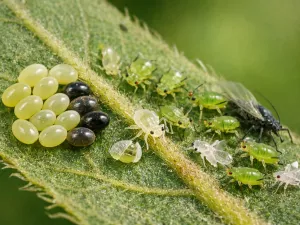
Seasonal outbreaks are driven by a combination of plant tenderness, rapid aphid reproduction, and temporary gaps in natural control. Aphids do not need much time to build numbers. Many species reproduce without mating for long periods, and females can produce live young that mature quickly. When food quality is high, population growth can seem sudden even though it began with only a few insects.
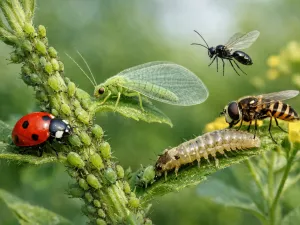
Another reason infestations spike in certain months is that plants and pests are often out of balance. Early in the season, plants are pushing nutrients into new tissue, but beneficial insects such as hoverflies, lacewings, and ladybirds may still be building their own populations. That lag gives aphids a short but important advantage.
Plant nutrition and soft growth
Fast, lush growth is highly attractive. This is especially common after heavy feeding with high-nitrogen fertilizer, rich spring compost, or sudden irrigation after a dry period. Soft stems and leaves are easier to penetrate, and nutrient-rich sap supports faster reproduction.
Gardeners often see worse infestations on plants that have been pushed into growth rather than grown steadily. Roses, broad beans, peppers, dahlias, and many annuals are classic examples when they receive generous feeding but not balanced care.
Predator timing and seasonal imbalance
Natural enemies usually reduce aphid numbers, but they often arrive after colonies are already established. A small outbreak can therefore expand in early spring before predators catch up. Later in the season, the same garden may show fewer problems because beneficial insects are now active and feeding.
- Early outbreaks: Often happen before predator populations peak.
- Sheltered sites: Walls, greenhouses, and dense plantings protect colonies from wind and rain.
- Overfed plants: Produce the type of growth aphids prefer most.
- Dry root stress: Can weaken plants and make them less able to tolerate feeding damage.
Host switching and movement
Some aphid species move between different host plants during the year. That means nearby weeds, hedges, fruit trees, or vegetable crops can act as stepping stones. Winged forms appear when colonies become crowded or plant quality declines, allowing the infestation to spread from one area of the garden to another.
This is why one clean border can suddenly develop a problem after a neighboring crop becomes infested. Seasonal increase is not just about reproduction on one plant; it is also about migration and reinfestation.
How weather conditions affect aphid populations

Weather strongly shapes how quickly aphids multiply and how much damage they cause. Mild temperatures, moderate moisture, and calm conditions generally favor them. At the same time, weather influences the plant itself, altering sap flow, tissue softness, and stress levels. Understanding these patterns helps you predict when to inspect more often and when control measures are likely to work best.
Not every warm week creates a problem, but a run of stable, gentle weather often does. By contrast, strong rain, wind, or sudden temperature swings can physically reduce colonies or slow reproduction. The effect varies by species and by how sheltered the plants are.
Temperature, rain, and wind
Most common garden aphids build fastest in mild to warm conditions rather than extreme heat. Prolonged temperatures around 18 to 24°C (64 to 75°F) often support rapid reproduction. Once temperatures rise above 30°C (86°F), some colonies slow down, especially on exposed plants that are also dry at the root.
Rain can help by washing insects off stems and leaves, particularly on sturdy outdoor plants. Wind also makes it harder for winged aphids to settle and may expose colonies to predators. However, plants in greenhouses, under eaves, or against warm walls miss that natural disruption and can carry much heavier populations.
| Weather condition | Likely effect on aphids | What gardeners often see |
|---|---|---|
| Mild temperatures, 18 to 24°C (64 to 75°F) | Fast reproduction and steady colony growth | Clusters on shoot tips, buds, and leaf undersides expand quickly |
| Heavy rain | Can dislodge exposed colonies | Temporary drop on outdoor plants, especially shrubs and vegetables |
| Hot, dry weather above 30°C (86°F) | May suppress some species but stress plants | Fewer aphids on exposed plants, but more damage on sheltered or irrigated growth |
| Still, sheltered conditions | Supports settling and survival | Persistent infestations in greenhouses, patios, and dense borders |
Humidity and plant stress
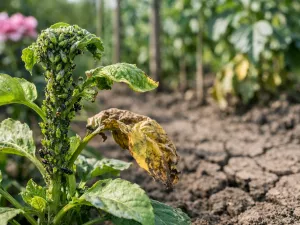
Humidity does not act alone, but it changes how plants grow and how long colonies remain comfortable. In protected spaces with warm, humid air and limited airflow, aphids can remain active for long periods. Outdoors, dry air combined with inconsistent watering can stress plants, leading to curled leaves and stunted growth that make infestations harder to spot early.
Root-zone moisture matters more than many gardeners realize. Plants that swing between drought and heavy watering often produce uneven, soft regrowth that attracts pests. Even if weather is favorable to aphids, a plant grown with steady moisture and balanced feeding usually copes better than one under repeated stress.
Practical tip: If you use a hose to knock aphids off, do it in the morning so foliage dries quickly. Repeat every few days during active periods rather than relying on one heavy wash.
Role of plant growth cycles in attracting aphids

Aphids are closely tied to plant growth stages, not just the calendar. They prefer tissue that is actively expanding, thin-skinned, and full of moving sap. That is why infestations often appear on the newest leaves, the softest stem tips, and the flower buds that have not yet opened. If you watch how a plant grows through the season, you can often predict where aphids will gather before they arrive.
Fast spring growth is the most obvious trigger, but it is not the only one. Summer pruning, deadheading, rain after drought, and a midseason fertilizer application can all stimulate a flush of tender shoots. Those fresh shoots are often more attractive than older leaves nearby.
Growth stages that draw the most feeding
Different plants show the same pattern in different ways. Roses attract colonies on new red shoots and buds, brassicas on folded inner leaves, and peppers on tender tips and flowers. Perennials cut back after flowering may also produce a soft second growth that becomes a target.
- Bud break: Newly opening shoots are among the first feeding sites.
- Leaf expansion: Young leaves curl easily, giving aphids shelter.
- Flower formation: Buds and flower stalks are rich feeding points.
- Regrowth after pruning: Fresh side shoots often attract new colonies.
- Late flush after rain or feeding: Sudden soft growth can restart problems.
How care practices influence vulnerability
Plant care can either smooth out growth or create repeated bursts of highly attractive tissue. Heavy nitrogen feeding, especially in liquid form, can push lush top growth faster than roots can support it. Likewise, hard pruning followed by rich feeding and frequent watering may produce exactly the kind of soft regrowth aphids prefer.
A steadier approach usually works better: moderate feeding, even soil moisture, and pruning timed to the plant’s natural rhythm. Good light is also important. Plants stretched by low light often produce weak, soft stems that are easy for pests to colonize, especially indoors.
Where possible, avoid crowding. Dense canopies hide colonies, reduce airflow, and make early detection harder. A plant that dries slowly after watering and receives little direct light is more difficult to monitor and slower to recover from damage.
Early prevention strategies for high-risk periods

The best time to control aphids is before colonies become dense enough to curl leaves and distort buds. Prevention is less about one dramatic treatment and more about timing, observation, and plant care that avoids creating ideal feeding conditions. Once you know your local high-risk windows, usually spring and any later flush of soft growth, you can act early with simple measures.
Start by identifying the plants that regularly attract infestations in your garden. These may include roses, beans, nasturtiums, fruit trees, peppers, and greenhouse ornamentals. Prioritize those plants for inspection rather than trying to check every plant with the same intensity.
Routine checks that catch colonies early
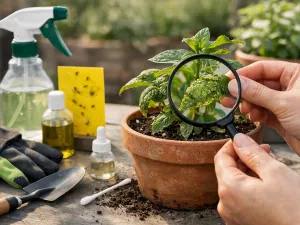
Inspection is most effective when it is targeted. Look at shoot tips, the underside of the youngest leaves, developing flower buds, and stems near ant activity. Ants often indicate a hidden colony because they collect honeydew and protect aphids from predators.
- Check vulnerable plants every 5 to 7 days during spring growth.
- Turn over the newest leaves instead of focusing only on the top surface.
- Pinch out or prune heavily infested tips before colonies spread.
- Wash off small groups with a firm spray of water.
- Recheck within 2 to 3 days to catch survivors or new arrivals.
Preventive growing practices
Healthy growth is not the same as over-soft growth. Balanced feeding, correct spacing, and steady watering help plants resist damage without becoming overly lush. For containers, use a free-draining mix and water thoroughly when needed rather than applying small daily splashes that keep roots shallow and stressed.
- Feeding: Use moderate fertilizer rates and avoid repeated high-nitrogen doses during rapid growth.
- Watering: Keep moisture even, especially in pots that dry quickly in warm weather.
- Pruning: Remove weak, congested, or badly infested shoots promptly.
- Airflow: Space plants so leaves dry and colonies are easier to spot.
- Weed control: Reduce nearby alternate hosts that can harbor early populations.
Editor’s note: If ants are running up stems, do not ignore them. They often lead you straight to a colony hidden in curled leaves or deep inside a bud cluster.
Supporting natural enemies
Predators and parasitoids are most useful when they are present before infestations peak. Small flowers that provide nectar, reduced use of broad-spectrum sprays, and a varied planting scheme all help beneficial insects stay in the garden longer. Even if they do not prevent every outbreak, they often keep numbers below the level that causes serious distortion.
If you use insecticidal soap or horticultural oil, apply carefully and only where needed. These products can be effective on contact, but repeated blanket spraying may also affect helpful insects visiting the same plants.
How to adjust control methods by season
Aphid control works best when matched to the season, because plant growth, weather, and pest pressure all change through the year. The same method that works well on a cool spring morning may be less effective in midsummer heat or unnecessary in winter dormancy. Seasonal adjustment helps you use less intervention while getting better results.
The goal is not to treat constantly. It is to respond to the type of growth and level of pressure present at that time. Early action in spring, close monitoring in summer, and strict inspection before overwintering plants indoors usually do more than repeated reactive spraying.
Spring and early summer
This is the period for fastest response. Colonies are small, growth is tender, and damage can spread quickly through buds and shoot tips. Physical removal is often enough if done early and repeated consistently.
- Pinch or prune: Remove the worst shoot tips before leaves curl tightly.
- Water spray: Use a firm jet on sturdy plants every few days.
- Spot treatment: Apply insecticidal soap to hidden colonies on calm, mild days.
- Review feeding: Reduce excess nitrogen if growth is too soft and lush.
High summer
Summer control depends on conditions. In exposed beds, heat and predators may reduce pressure naturally. In greenhouses, patios, and irrigated containers, aphids can still thrive. Plants under drought stress may show more visible damage even when insect numbers are moderate, so watering and root care become part of control.
Check pots more often in hot weather. A container that dries out in one day can push a plant into stress, then produce soft regrowth after watering, creating a repeating cycle of vulnerability. Water deeply until excess drains from the pot, then allow the top layer to dry slightly according to the plant’s needs rather than keeping the compost constantly wet.
Late summer and autumn
Do not assume the problem is over once spring passes. Many plants produce a second flush after deadheading, pruning, or cooler late-season weather. This is a common time for infestations to return, especially on roses, chrysanthemums, and greenhouse vegetables.
In autumn, focus on sanitation and transition. Remove badly infested annuals, cut back damaged growth, and inspect any plant you plan to move indoors. Wash leaves, isolate newcomers for at least 1 to 2 weeks, and avoid bringing hidden colonies into warm rooms where they can continue breeding.
Winter and indoor care
During winter, outdoor intervention is usually minimal in cold climates, but indoor plants need close observation. Growth may be slower, yet aphids can still multiply on soft, stretched shoots caused by low light and warm indoor temperatures.
- Light: Keep plants as bright as possible to avoid weak, pest-prone growth.
- Watering: Reduce frequency to match slower uptake, but do not let roots repeatedly wilt.
- Cleaning: Wipe leaves and inspect stems during routine care.
- Isolation: Keep newly purchased or recently moved plants separate before mixing them with others.
Keeping plants protected year-round
Year-round protection comes from combining observation with steady plant care. Aphids exploit moments of imbalance: soft new growth, erratic watering, crowded canopies, weak light, and delayed response. When plants are grown with consistent moisture, suitable light, balanced feeding, and regular grooming, they are less inviting and more resilient even if a few insects appear.
It helps to think in cycles rather than one-off treatments. Each season creates its own trigger, from spring growth spurts to autumn plant moves indoors. A simple routine built around those triggers is more reliable than waiting for a serious outbreak.
A practical annual rhythm
Most gardeners can stay ahead of problems with a repeating checklist tied to the seasons. This keeps attention on the moments when risk changes, rather than treating aphids as a constant emergency.
| Time of year | Main focus | Useful actions |
|---|---|---|
| Late winter to early spring | Prepare for first arrivals | Inspect overwintered plants, moderate feeding, watch new shoots closely |
| Spring to early summer | Catch colonies early | Check weekly, wash off pests, prune infested tips, encourage beneficial insects |
| Midsummer | Reduce plant stress | Water deeply, avoid overfeeding, monitor sheltered plants and greenhouses |
| Late summer to autumn | Prevent resurgence and indoor carryover | Inspect regrowth, remove damaged material, quarantine plants before bringing indoors |
Long-term habits that make a difference
Small routine choices often matter more than aggressive treatments. Clean pruning, sensible fertilizer use, and quick removal of badly infested tips can prevent repeated problems. So can choosing the right plant for the site, because plants growing in unsuitable light or poor soil are more likely to produce weak, vulnerable growth.
- Match plant to place: Give each plant the light and root space it needs.
- Build healthy soil: Use organic matter to improve moisture balance and root health.
- Avoid extremes: Do not swing between drought and overwatering.
- Inspect after pruning: Fresh regrowth is a common target.
- Act early: Small colonies are easier to manage than curled, protected infestations.
Practical recommendation: Keep a simple garden note of when aphids first appear on your most affected plants. After one or two seasons, you will usually see a pattern and can start checking a week earlier than the problem normally begins.
With that approach, aphid control becomes more predictable and less disruptive. Instead of reacting to each outbreak as a surprise, you can anticipate the seasonal triggers, support stronger growth, and use the lightest effective response at the right time.