Why Aphids Keep Coming Back

 This article explains why aphids come back after treatment, including hidden colonies, incomplete removal, and plant conditions that attract them again. It also covers repeat-treatment timing, common mistakes, and long-term ways to fully break the life cycle.
If sap-sucking pests keep coming back no matter how often you spray or wipe them away, the real problem is usually the plant’s growing conditions, not just the insects. Aphids return fast when plants are stressed, air flow is poor, natural predators are absent, or hidden eggs and winged adults keep restarting the infestation. By identifying and fixing those underlying causes, gardeners can break the cycle and manage the problem more effectively.
Common reasons aphids return after treatment

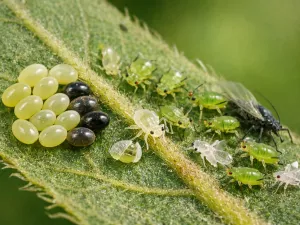
Aphids often seem to disappear for a few days and then suddenly cover fresh growth again. That usually does not mean the treatment failed completely. More often, it means some insects survived, new ones hatched, or winged adults moved in from nearby plants before the plant had fully recovered.
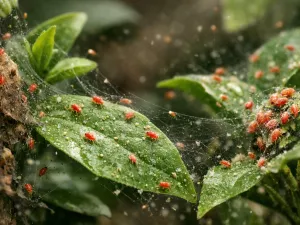
These pests multiply quickly, especially in warm, sheltered conditions with lots of tender new growth. A small number left behind on stems, buds, or leaf undersides can rebuild a colony fast. On indoor plants, even one untreated plant across the room can act as a source of reinfestation. Outdoors, nearby weeds, roses, vegetables, and fruit trees can keep supplying new arrivals.
Why the problem seems to restart overnight
Aphids reproduce much faster than many gardeners expect. Under favorable conditions, a new generation can appear in roughly 7 to 10 days, depending on temperature and species. That means a plant may look clean after spraying, then look infested again within a week if follow-up action is skipped.
- Rapid reproduction: surviving adults and nymphs quickly rebuild numbers.
- Eggs or hidden young: some stages may be protected in folded leaves or tight buds.
- Winged migrants: new aphids can fly in from nearby host plants.
- Uneven coverage: contact sprays often miss leaf undersides and stem joints.
- Plant stress: weak, overfed, or drought-stressed plants stay attractive to sap-feeding insects.
Another common reason is treating only the visible insects. Aphids cluster where growth is softest, but they also hide deep in the crown, around flower stalks, and on the newest curled leaves. If those areas are not checked, the colony remains active even when the outer leaves look clean.
Editor’s note: If a plant looks clean after one spray, do not assume the job is done. Aphid control is usually a short series of treatments, not a one-time event.
Hidden colonies and incomplete removal

One of the biggest reasons aphids keep returning is that they were never fully removed in the first place. These insects favor protected spots where spray droplets, water rinses, and quick inspections often miss them. A plant can appear much better from the front while a dense colony remains active on the back side or inside tightly packed growth.
Incomplete removal is especially common on plants with curled leaves, fuzzy foliage, dense rosettes, or many branching tips. Houseplants such as peppers, hibiscus, hoya, and tender herbs can hide infestations surprisingly well. Outdoor plants with buds and flower clusters are also easy to under-treat.
Where aphids usually hide
A careful inspection should go beyond the obvious clusters. Look at the plant from several angles and gently separate growth points rather than checking only the top leaves.
- Leaf undersides: the most common hiding place, especially on soft new leaves.
- Folded or curled leaves: colonies shelter inside distorted growth.
- Stem joints: nodes and branch forks protect small groups from sprays.
- Flower buds and bracts: aphids feed where tissue is soft and nutrient-rich.
- Near the soil line: some species gather on lower stems or on suckers emerging from the base.
Why quick treatments miss them
Many home treatments work by direct contact. If the spray does not hit the insect, it often does very little. A light mist over the top of the plant may kill exposed aphids but leave hidden ones untouched. Washing the plant under a tap can help, but water pressure often fails to reach the tightest pockets.
Pruning can also be too cautious. If badly curled shoot tips are left in place because the gardener wants to save every leaf, the most heavily infested tissue remains on the plant. Removing a few badly affected tips is often more effective than repeatedly spraying distorted growth that never opens enough for full coverage.
Practical recommendation: When a shoot tip is tightly curled and sticky with honeydew, cut it off cleanly rather than trying to rescue it. You remove insects, feeding damage, and a lot of future hatch sites in one step.
After treatment, dead aphids, shed skins, and sticky honeydew can make it hard to tell whether the colony is gone. Wipe or rinse the plant after control measures so fresh activity is easier to spot during the next inspection.
How plant conditions attract aphids again

Aphids are not just random visitors. They are strongly drawn to certain plant conditions, especially soft, nitrogen-rich growth and stressed plants that cannot defend themselves well. If those conditions remain unchanged, the plant stays inviting even after the visible insects are removed.
Fresh, lush growth is often the biggest trigger. Heavy feeding, especially with high-nitrogen fertilizer, pushes plants to produce tender shoots that aphids can pierce easily. This is why infestations often flare after a strong fertilizer dose, a flush of spring growth, or hard pruning that stimulates many new shoots at once.
Growth conditions that make plants more appealing
Healthy growth is good, but overly soft growth is different. The goal is steady, balanced development rather than fast, weak growth that pests prefer.
| Plant condition | How it encourages aphids | Better approach |
|---|---|---|
| Too much nitrogen | Creates lush, soft shoots with easy-to-feed-on sap | Use a balanced fertilizer at a moderate rate and avoid repeated heavy feeding |
| Low light indoors | Produces weak, stretched growth that is more vulnerable | Move to brighter indirect light or add supplemental light for 12 to 14 hours daily |
| Irregular watering | Stress weakens the plant and causes uneven flushes of growth | Water thoroughly when the top 2 to 3 cm (1 in) of soil dries, if suitable for the plant |
| Overcrowded foliage | Reduces airflow and makes inspection and treatment harder | Thin dense growth and space plants so leaves are not constantly touching |
Stress can be as attractive as lush growth
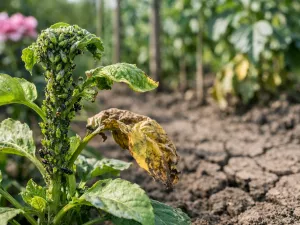
Plants under stress often release chemical signals that make them easier for pests to find. Heat buildup near windows, dry indoor air, root-bound pots, and exhausted potting mix can all contribute. A plant that is barely coping may not outgrow minor feeding damage, so even a small returning colony becomes obvious very quickly.
Outdoor conditions matter too. Weedy borders, neglected volunteer seedlings, and heavily fertilized vegetable beds can support aphids continuously. If one host plant is cleaned but the surrounding area is full of suitable food, reinfestation is much more likely.
Mistakes that lead to recurring infestations

Recurring aphid problems are often linked to well-meant but ineffective habits. The most common mistake is stopping too early. A plant may look improved after one treatment, but unless the next wave is anticipated, the survivors simply rebuild.
Another issue is relying on a single method when the infestation needs a combination of removal, washing, pruning, and repeat treatment. No one step works equally well in every situation. Dense growth, sticky honeydew, and nearby infested plants all reduce the odds of success if they are ignored.
Common control mistakes
These errors are easy to make, especially when the plant appears better at first glance.
- Treating only once: this misses newly hatched nymphs and hidden survivors.
- Spraying in poor coverage patterns: top surfaces get wet while undersides stay infested.
- Ignoring nearby plants: aphids move between houseplants, herbs, shrubs, and weeds.
- Using too weak a solution: homemade mixes often fail when diluted beyond an effective level.
- Using too strong a solution: this can scorch foliage, stressing the plant and slowing recovery.
- Leaving sticky residue: honeydew and sooty mold make monitoring harder and can attract ants outdoors.
Why ants make the problem worse
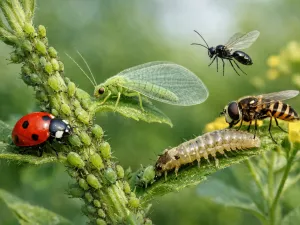
Outdoors, ants often protect aphids because they feed on the honeydew the insects produce. Ants may drive away natural predators such as ladybirds, lacewings, and hoverfly larvae. If ants are running up and down stems, aphid control may fail repeatedly unless the ant activity is reduced as well.
Check supports, walls, and nearby pots for ant trails. A plant can be treated several times, yet the colony returns because ants help surviving aphids remain undisturbed and spread them to fresh shoots.
If you keep seeing ants on a plant with sticky leaves, treat that as a clue, not a coincidence. Ant traffic often means aphids are still present somewhere you have not checked closely enough.
How to break the aphid life cycle completely

To stop aphids from coming back, the goal is not just to knock down the visible population. You need to interrupt the cycle of feeding, hiding, reproducing, and recolonizing. That means combining physical removal with follow-up checks and improved growing conditions so the plant is less inviting over the next few weeks.
The exact method depends on whether the plant is indoors or outdoors, but the principle is the same: reduce the population sharply, remove the worst hiding places, and then catch the next generation before it matures.
Step-by-step approach
A structured routine is more reliable than reacting only when the plant looks bad again.
- Isolate the plant if possible. Move infested houseplants away from others for at least 7 to 14 days. Outdoors, avoid brushing healthy plants against infested ones while working.
- Prune the worst growth. Remove heavily curled tips, badly infested buds, and distorted leaves. Dispose of them rather than composting if the infestation is heavy.
- Wash the plant thoroughly. Use a steady stream of water to dislodge insects from stems and leaf undersides. Support delicate stems with your hand to avoid breakage.
- Apply a suitable treatment. Insecticidal soap, neem-based products, or other labeled controls can work well when they contact the insects directly. Follow the product instructions exactly.
- Clean residue. Wipe leaves or rinse again after treatment if appropriate, so honeydew and dead insects do not hide fresh activity.
- Inspect on schedule. Recheck every few days, especially the newest growth and the underside of the top leaves.
Support the plant while you control the pests
A recovering plant should not be pushed into fast growth. Hold back on strong fertilizer until the infestation is under control. Keep watering even and provide the right light for the species so the plant can produce sturdy replacement growth instead of soft, pest-prone shoots.
If the plant is in a very small pot, badly root-bound, or sitting in exhausted mix, repotting may help after the infestation is reduced. Use fresh potting mix and a container only one size larger, usually about 2.5 to 5 cm (1 to 2 in) wider than the old pot. Avoid major repotting stress in the middle of a severe outbreak unless the roots are clearly part of the problem.
When to repeat treatment for full control
Repeat timing is what turns partial control into full control. Because aphids develop quickly, most treatments need to be repeated before survivors mature and restart the colony. Waiting until the plant looks badly infested again usually means the schedule was too slow.
The exact interval depends on the product used, the temperature, and how heavy the infestation was at the start. Warm conditions speed up development, so close monitoring matters even more in late spring, summer, or warm indoor rooms around 21 to 27°C (70 to 81°F).
A practical repeat schedule
For most home gardeners, a short repeat cycle works better than a single heavy application. Always follow the label if you are using a commercial product, but this general timeline is useful for planning inspections and follow-ups.
| Time after first treatment | What to do | What you are looking for |
|---|---|---|
| 24 to 48 hours | Inspect closely and wipe away residue | Hidden survivors, missed clusters, leaf damage from treatment |
| 4 to 7 days | Repeat treatment if any live aphids are found | New nymphs on fresh growth and leaf undersides |
| 7 to 10 days | Inspect all nearby plants and treat again if needed | Spread to neighboring plants or return on untreated tips |
| 14 days | Do a final thorough check | Any remaining active colonies or fresh sticky honeydew |
If you still find live aphids after two or three properly applied treatments, reassess the situation rather than simply spraying more often. There may be hidden colonies, ant protection, nearby host plants, or a cultural issue such as overfeeding that is keeping the plant attractive.
Also watch for plant sensitivity. Some leaves react badly if treated too often, especially in hot sun or on drought-stressed plants. Test products carefully and treat at cooler times of day when appropriate.
Long-term strategies to stop reinfestation
Once the immediate outbreak is under control, long-term prevention matters more than stronger sprays. Aphids are opportunists. They settle where plants are soft, crowded, stressed, or left unchecked for too long. A routine that keeps plants sturdy and easy to inspect will reduce repeat problems far more effectively than occasional emergency treatment.
Good prevention is a mix of plant care and observation. The aim is not a sterile garden or a perfectly pest-free windowsill every day. It is early detection, balanced growth, and fewer conditions that let small colonies become major infestations.
Habits that make a lasting difference
Simple maintenance steps can greatly reduce the chance of aphids returning in force.
- Inspect new growth weekly: the top 5 to 10 cm (2 to 4 in) of stems is where colonies usually start.
- Quarantine new plants: keep new houseplants separate for 10 to 14 days before placing them with the rest.
- Feed moderately: use balanced fertilizer at the recommended rate rather than frequent high-nitrogen boosts.
- Water consistently: avoid repeated drought and flood cycles that stress roots and trigger weak flushes of growth.
- Improve airflow: space pots and thin crowded stems so leaves dry and inspections are easier.
- Control weeds and volunteers: nearby host plants can keep supplying fresh aphids outdoors.
- Encourage beneficial insects: avoid unnecessary broad-spectrum spraying that also kills natural predators.
Indoor and outdoor prevention are slightly different
Indoors, the biggest risks are new plant introductions, low light, and unchecked spread from pot to pot. Rotate plants during watering so you can inspect the backs of leaves. Clean windows, improve light exposure, and avoid pushing soft growth with excessive feeding in winter or low-light periods.
Outdoors, look at the wider planting area. If one rose, pepper, or milkweed is repeatedly infested, check surrounding growth rather than treating that plant in isolation. Companion planting alone will not solve the issue, but a diverse garden with predator-friendly flowers and less excessive fertilization often stays more balanced.
When a plant repeatedly attracts aphids season after season, consider whether its location is part of the problem. A sheltered corner with little airflow, reflected heat, and lush feeding can become a reliable hotspot. Moving the plant, adjusting pruning, or changing the feeding schedule may do more than any single spray.