Aphids on Roses – Signs, Control, Prevention

 This article explains why roses attract aphids, how to spot early signs on buds, leaves, and stems, what damage they cause, and the safest ways to remove them. It also covers natural and chemical treatments, prevention, and long-term rose care.
- Why roses attract aphids more than other plants
- Early signs of aphid infestation on rose plants
- Common damage aphids cause to buds and leaves
- Best methods to remove aphids from roses safely
- Preventing aphids from returning to rose bushes
- Natural and chemical control options for roses
- How to keep roses healthy and aphid-free long-term
Aphids on rose bushes can quickly turn healthy new growth into curled, sticky shoots, so catching them early can save a lot of trouble. This guide covers the most common signs of an infestation, practical ways to bring it under control without going overboard, and simple care habits that help keep these sap-sucking pests from coming back.
Why roses attract aphids more than other plants

Roses are one of the first plants gardeners check when they notice clusters of tiny green, black, pink, or yellow sap-feeding insects. That is not a coincidence. Rose bushes produce soft, nutrient-rich new growth that aphids find especially easy to pierce and feed on. Tender stems, unfolding leaves, and swelling flower buds are all ideal targets because the plant is actively moving sugars and moisture into those tissues.
Many modern roses are also bred for repeat flowering, which means they keep producing fresh shoots over a long season. From spring into summer, that steady supply of young growth acts like an open invitation. Warm weather, sheltered planting positions, and generous feeding can make the problem even more noticeable.
Soft growth is the main attraction
Aphids prefer plant tissue that is easy to penetrate. On roses, the youngest parts are usually the most vulnerable. Vigorous shoots that appear after pruning or after a nitrogen-rich feed often carry the heaviest infestations because the sap is abundant and the tissue is still soft.
- New shoots: Fresh stems are thin-skinned and easy for aphids to feed on.
- Flower buds: Developing buds are packed with moisture and nutrients.
- Leaf undersides: These offer shelter from sun, wind, and some predators.
- Dense growth: Crowded stems create a protected microclimate where colonies can build quickly.
Garden conditions that increase pressure
Not every rose suffers equally. Plants growing in still, warm corners often host more aphids than roses in open, airy beds. Heavy feeding can also play a role. A rose pushed into fast, lush growth with too much nitrogen may look healthy at first, but the soft growth is more attractive to sap-sucking pests.
Water stress matters too. A bush that swings between very dry soil and heavy watering can produce uneven, weak growth. That kind of stress does not directly cause aphids, but it makes the plant less balanced and often less able to outgrow minor damage.
If one rose is always covered while nearby shrubs stay clean, look at the growing conditions before blaming the variety alone. Extra shade, stagnant air, or repeated high-nitrogen feeding often explains the pattern.
Why some roses seem worse than others
Highly fragrant, fast-growing, and repeat-blooming types often show infestations sooner simply because they produce more of the tender tissue aphids want. Older shrub roses with tougher leaves and a looser habit may still get aphids, but the colonies are sometimes less concentrated. The difference is often about growth texture and timing rather than true immunity.
Companion planting can help support beneficial insects, but it does not make roses invisible to pests. In practical terms, roses attract aphids because they repeatedly offer the exact plant parts aphids prefer most.
Early signs of aphid infestation on rose plants

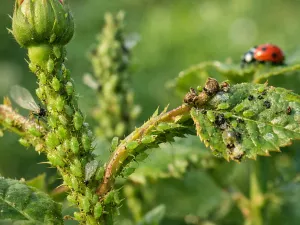
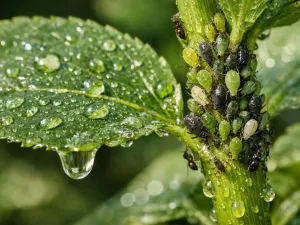
The earliest signs are easy to miss unless you inspect the newest growth closely. Aphids usually gather in tight groups around shoot tips, on the underside of young leaves, and around flower buds before the damage looks dramatic. A quick weekly check is often enough to catch them while the problem is still small and easy to manage.
Most colonies begin on the softest parts of the plant. You may notice a slight stickiness, a few curled leaves, or ants moving up and down the stems before you actually see large numbers of insects. Ant activity is a useful clue because ants are attracted to the sugary honeydew that aphids excrete.
What to look for during inspection
Morning is a good time to inspect roses because the light is softer and the insects are less active. Focus on the top 15 cm to 20 cm (6 in to 8 in) of new growth, especially after warm weather or a flush of fresh shoots.
- Clusters of tiny insects: Often packed around buds and stem tips.
- Curled or puckered leaves: New leaves may twist as aphids feed.
- Sticky residue: Honeydew on leaves, stems, or nearby surfaces.
- Ants on the plant: They often farm aphids for honeydew.
- Distorted buds: Buds may look crowded, bent, or slow to open.
Signs that appear before obvious damage
Before leaves yellow or buds fail, the plant often shows subtle changes. New growth may look slightly crinkled, and the shoot tip may seem crowded or uneven. If you gently turn over a leaf and see cast skins, those pale, papery remains are another clear sign that a colony has been feeding there for several days.
Honeydew can also appear before major distortion. It may leave a glossy film on foliage or drip onto lower leaves. Later, that sugar can support black sooty mold, but the sticky surface usually comes first.
| Early sign | What it usually means | Where to check |
|---|---|---|
| Small insect clusters | An active colony is feeding on soft tissue | Bud bases, shoot tips, leaf undersides |
| Sticky leaves | Honeydew is building up | Upper leaves and surfaces below the colony |
| Ant traffic | Aphids may be present even if hidden | Main stems and around buds |
| Slight leaf curling | Feeding has started to affect new growth | Top growth and recently opened leaves |
Catching these signs early matters because a small colony can become a heavy infestation in a short period during mild weather. Reproduction is rapid, so waiting until buds are badly deformed makes control harder than it needs to be.
Common damage aphids cause to buds and leaves

Aphids damage roses by piercing plant tissue and drawing out sap. On established bushes, a light infestation rarely kills the plant, but it can spoil the appearance of new growth and reduce the quality of blooms. The most obvious problems show up on buds and young leaves because those tissues are still developing and are easily distorted.
When feeding is concentrated around the growing tip, the plant may continue to grow, but the shape of that growth changes. This is why gardeners often notice bent stems, twisted leaves, or buds that never open properly even when the rest of the bush looks healthy.
Damage to flower buds
Bud damage is often what prompts action. Aphids crowd around sepals and soft stems, where they interfere with normal development. Affected buds may remain small, open unevenly, or produce flowers with misshapen petals.
- Stunted buds: Buds may stop enlarging at the normal rate.
- Deformed blooms: Petals can emerge crumpled or uneven.
- Bud drop: In heavier attacks, buds may dry and fall before opening.
- Sticky petals: Honeydew can coat outer petals and attract dirt.
Damage to leaves and shoots
Leaves respond quickly to sap loss. New leaves may curl inward, cup downward, or develop a puckered texture. Shoot tips can become crowded and bent, especially when many aphids feed at once. This kind of distortion is not just cosmetic; it can reduce airflow and make the plant harder to inspect for other problems.
Honeydew creates a second layer of damage. The sugary coating attracts ants and can lead to sooty mold, a black fungal growth that sits on the surface of leaves. Sooty mold does not invade the plant tissue itself, but it blocks light and makes the rose look unhealthy.
When damage becomes more serious
Most healthy roses recover from moderate feeding once the colony is removed, but repeated heavy infestations can weaken young plants or newly planted bushes. A rose still establishing roots may lose momentum if every flush of growth is attacked. This matters most in the first season after planting, when the goal is to build a strong framework rather than chase flowers.
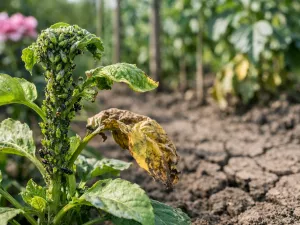
Stress from poor watering, root competition, or low light can amplify the effects. A rose growing in dry soil may already be struggling to support buds, so aphid feeding can tip it into leaf drop or poor flowering more quickly than on a well-rooted, evenly watered plant.
Do not judge the severity only by insect numbers. A few dozen aphids on a mature shrub rose may matter less than a smaller colony on a newly planted bush with only a handful of shoots.
Best methods to remove aphids from roses safely

Safe removal starts with the least disruptive method that will actually work. On roses, that often means physical control first. Because aphids cluster on exposed soft growth, they can often be knocked off, pinched out, or washed away before stronger treatments are needed. Acting early is far easier than trying to clean up a large colony spread across several bushes.
The goal is not always to eliminate every insect instantly. In many gardens, reducing numbers enough for the plant to recover and for beneficial insects to catch up is the most balanced approach.
Start with physical removal
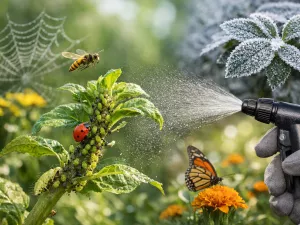
For light to moderate infestations, plain water is often effective. A firm spray from a hose can dislodge colonies from stems and buds without harming the plant when done carefully. Aim at the undersides of leaves and the growing tips, but avoid blasting so hard that you snap soft shoots.
- Inspect the bush and identify the worst-affected shoots.
- Use a steady stream of water, not a needle-sharp jet.
- Spray early in the day so foliage dries before evening.
- Recheck after 2 to 3 days and repeat if needed.
- Pinch off heavily infested shoot tips if they are badly distorted.
For a small number of buds, simply wiping aphids away with gloved fingers can be enough. This is especially useful on patio roses or a few prized plants where close monitoring is easy.
Use insecticidal soap carefully
If water alone is not enough, insecticidal soap is one of the safest next steps for roses when used according to the label. It works by direct contact, so coverage matters more than volume. Spray the aphids themselves, including hidden groups under leaves and around buds. Avoid applying during hot sun or when temperatures are above about 29°C (85°F), as foliage may be more likely to scorch.
Test any spray on a small section first, especially on delicate or dark-petaled varieties. Some roses are more sensitive than others, and open blooms can mark easily.
Pruning and cleanup as part of removal
Pruning is useful when colonies are concentrated on a few badly affected tips. Removing those shoots can immediately cut the population and improve airflow. Make clean cuts above a healthy outward-facing leaf. Then dispose of the material rather than leaving it at the base of the plant.
- Best for: Localized infestations on soft new growth.
- Avoid when: The bush is already sparse or the infestation is spread everywhere.
- Follow-up: Check regrowth within 5 to 7 days.
When washing roses, spray upward from below as well as from the side. Aphids often survive the first pass because they are tucked under leaves or hidden behind sepals.
Whichever method you choose, repeat inspection is essential. A single treatment may remove most of the colony, but surviving aphids can rebuild quickly if the plant is left unchecked for another week or two.
Preventing aphids from returning to rose bushes

Prevention is mostly about making roses less inviting and easier for the garden to balance naturally. You cannot create a rose garden that never attracts aphids, but you can reduce the frequency and severity of outbreaks. The best results come from combining plant care, observation, and a little restraint with fertilizer.
Healthy, steady growth is less troublesome than lush, overfed growth. Roses that are watered evenly, planted in good light, and pruned for airflow are easier to inspect and less likely to support dense hidden colonies.
Adjust feeding and watering
Overfeeding is one of the most common reasons roses produce the soft, sappy growth aphids love. Use a balanced rose fertilizer at the recommended rate rather than repeated high-nitrogen boosts. If you feed with liquid fertilizer, apply it to moist soil, not bone-dry roots, and stop pushing growth late in the season when the plant should be slowing down.
Water deeply and consistently rather than little and often. A thorough soak that wets the root zone is better than frequent shallow sprinkling. For many established roses, that means watering when the top few centimeters of soil have dried, then soaking the ground to a depth of about 20 cm to 30 cm (8 in to 12 in), depending on soil type and weather.
Create a less favorable environment
Dense, congested growth gives aphids shelter. Prune to open the center of the bush and remove weak crossing stems. Good airflow helps leaves dry faster, makes colonies easier to spot, and improves spray coverage if treatment is needed.
- Give enough sun: Roses generally perform best with at least 6 hours of direct light daily.
- Space plants properly: Avoid crowding bushes so air can move around them.
- Control ants: Ants protect aphids from predators in exchange for honeydew.
- Remove soft water sprouts: Very lush shoots often attract the first colonies.
Encourage natural predators
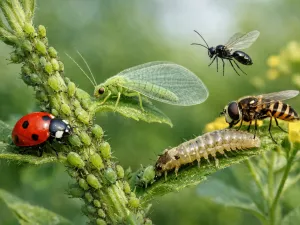
Ladybirds, lacewings, hoverfly larvae, and parasitic wasps all help suppress aphid numbers. A mixed garden with small flowering plants nearby often supports more of these beneficial insects than a bare, heavily sprayed bed. Avoid broad-spectrum insecticides unless the infestation is severe, because they can kill the very predators that would otherwise keep the next outbreak smaller.
Even simple habits help. Leaving a few untreated areas elsewhere in the garden, growing nectar-rich flowers, and reducing unnecessary spraying can make a noticeable difference over time.
Natural and chemical control options for roses

When aphids get ahead of physical removal, gardeners usually choose between natural-style controls and stronger chemical products. The right option depends on how severe the infestation is, whether the rose is in bloom, how many beneficial insects are present, and how quickly you need results. In many cases, a staged approach works best: start with low-impact methods, then escalate only if the colony keeps spreading.
No treatment is perfect in every situation. Contact products need good coverage, while systemic or residual products may last longer but can affect more than the target pest. Always read the label for roses specifically and avoid spraying in windy conditions.
Natural and low-impact choices
Natural control options are often enough for home gardens, especially when infestations are caught early. These methods work best with repeat applications and careful observation rather than one dramatic treatment.
- Water spray: Good for knocking back fresh colonies with minimal impact.
- Insecticidal soap: Effective on contact and relatively gentle when used properly.
- Neem-based products: Can help suppress feeding and development, though coverage and timing matter.
- Manual removal: Practical for container roses and a few bushes.
- Predator support: Best as part of a long-term garden strategy rather than a quick fix.
When chemical products may be justified
If a rose is repeatedly overwhelmed, buds are being ruined, and lower-impact methods are not working, a chemical insecticide may be reasonable. Choose the narrowest effective product rather than a broad-spectrum spray by default. Spot treatment is usually better than spraying every plant in the bed.
Avoid treating open flowers when pollinators are active. Early morning or late evening applications are generally safer, but the label directions should always guide timing and use. Never assume that a stronger concentration works better; overapplication can damage foliage and increase risk to beneficial insects.
| Control option | Best use | Main advantage | Main caution |
|---|---|---|---|
| Water spray | Light infestations on accessible growth | Very low impact and inexpensive | Needs repeating and thorough coverage |
| Insecticidal soap | Visible colonies on leaves and buds | Works quickly on contact | Can mark foliage in heat or strong sun |
| Neem-based spray | Ongoing suppression in moderate outbreaks | Useful as part of integrated control | May affect beneficial insects if misused |
| Targeted chemical insecticide | Heavy, persistent infestations | Stronger knockdown or longer control | Higher risk to predators and pollinators |
The best choice is usually the one that solves the problem with the least disruption to the plant and the garden around it. If you are growing roses mainly for cut flowers, your threshold for damage may be lower than in a mixed border where a few aphids are tolerable.
How to keep roses healthy and aphid-free long-term
Long-term success comes from routine care rather than emergency treatment. Roses that are grown in the right place, watered properly, fed sensibly, and checked often are much less likely to suffer repeated heavy infestations. The aim is not a perfectly sterile plant. It is a vigorous rose that can produce strong stems and good blooms without every flush of growth being overrun.
Think of aphid control as part of overall rose care. Soil condition, sunlight, pruning, and stress management all influence how attractive the plant is and how well it recovers after minor pest pressure.
Build strength from the roots up
Start with the basics. Roses prefer fertile, well-drained soil that holds moisture without staying waterlogged. Adding compost around the root zone can improve both sandy and heavy soils. A mulch layer about 5 cm to 7.5 cm (2 in to 3 in) deep helps moderate soil temperature, reduce moisture loss, and support steady growth, but keep it a little away from the main stems.
Good light also matters. Most roses flower and grow best in full sun, and stronger growth is easier for the plant to maintain. In too much shade, shoots can become weak and elongated, which often makes pest problems more noticeable.
Follow a simple maintenance routine
A regular care rhythm prevents small issues from becoming chronic ones. You do not need to inspect every leaf every day, but a quick check each week during active growth can save a lot of trouble later.
- Check new shoots and buds once a week in spring and early summer.
- Water deeply during dry periods instead of shallow daily sprinkling.
- Feed at sensible intervals with a balanced rose fertilizer.
- Deadhead and lightly prune to keep the plant open and productive.
- Remove badly distorted tips before colonies spread further.
- Watch for ants, which often signal hidden aphids.
Reduce stress through the season
Stress makes roses less resilient. Avoid letting container roses dry out completely, and do not leave newly planted bushes struggling in poor soil without support. In hot spells, watering early in the day helps the plant cope better. During prolonged dry weather, a deep soak once or twice a week is usually better than frequent light watering, though exact needs depend on soil, pot size, and temperature.
Pruning at the right time also helps. Major pruning in late winter or early spring encourages strong new growth, but excessive pruning later can trigger a flush of very soft shoots that aphids quickly exploit. Aim for balanced growth rather than constant forcing.
The healthiest rose gardens are rarely the ones sprayed most often. They are usually the ones where plants are not stressed, growth is balanced, and problems are noticed before they become dramatic.
Over time, that balanced approach is what keeps roses looking good. A bush may still get the occasional cluster of sap-feeders on a spring flush, but with steady care, quick inspection, and thoughtful intervention, it is far less likely to turn into a recurring problem.