Full Sun Plants for Small Gardens

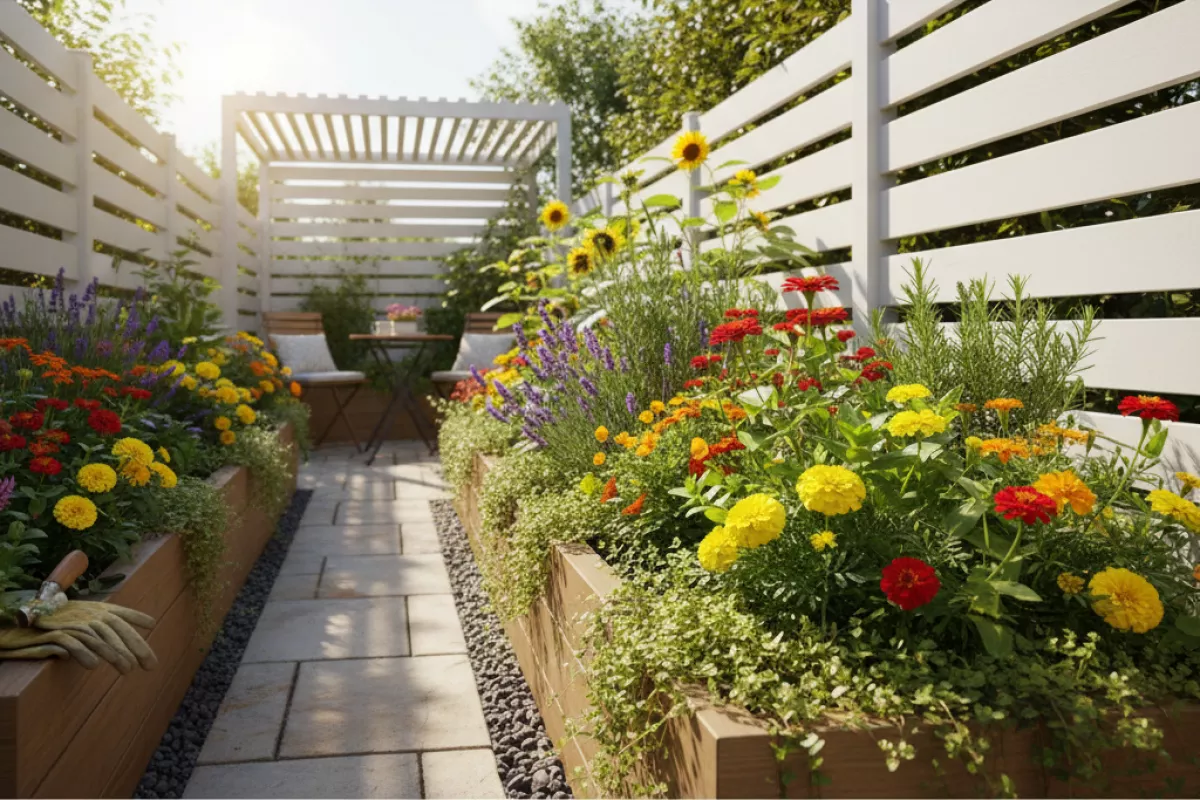 Learn why plant choice matters in small sunny spaces, which compact full-sun varieties work best, and how to space them in tight beds. It also covers container options, pruning to control size, design ideas for small sunny gardens, and maintenance tips for limited space.
In a small, sunny yard, the best results come from plants that love full sun but stay compact and easy to manage. With the right choices, you can get bold color and reliable harvests without constant watering or a sprawling tangle. This guide highlights heat-tolerant, space-smart varieties that thrive in bright exposure, keep upkeep simple, and fit neatly into beds, borders, and containers.
Why plant choice matters in small spaces
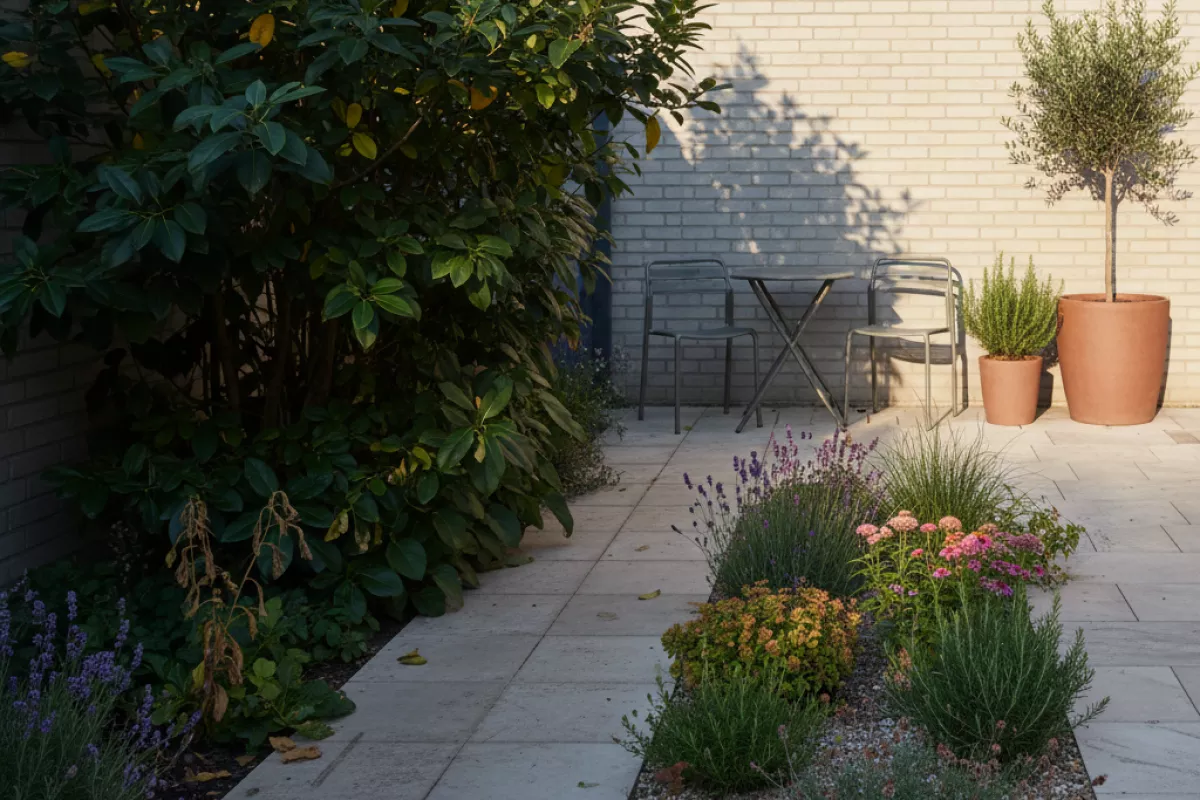
In a compact, sunny garden, every plant has an outsized impact on light, airflow, and how usable the space feels. A single overgrown shrub can shade out neighbors, block paths, and turn a bright corner into a dry, struggling pocket. Choosing varieties with the right mature size and growth habit is what keeps a small plot looking intentional rather than crowded.
Full-sun spots also amplify mistakes: heat reflects off walls and paving, containers dry quickly, and soil volume is limited. Plants that are naturally drought-tolerant, compact, or well-suited to pots tend to perform better with less intervention, while thirsty or sprawling choices can become a constant maintenance project.
- Mature size matters more than “current size.” A plant that looks tidy in a 10 cm (4 in) pot can reach 90 cm (36 in) wide and swallow a narrow bed. Check height and spread, and leave room for airflow.
- Growth habit determines how space functions. Upright plants preserve walkways and sightlines; mounding plants soften edges; trailing plants can spill over a wall or container without stealing ground space.
- Root behavior affects neighbors. Aggressive rooters compete hard in tight beds and can stress nearby plants, especially in hot, full-sun locations with limited moisture.
- Maintenance scales fast in small gardens. A plant that needs weekly deadheading or frequent watering becomes a bigger burden when you have many plants packed into a small area.
- Seasonal interest prevents “one-week wonder” beds. Mixing long-blooming plants with reliable foliage and structure helps the garden look good beyond a short flowering window.
- Containers have different rules. Pot-friendly full-sun plants should handle warm roots and drying cycles; a 30 cm (12 in) container heats up and dries far faster than in-ground soil.
A practical approach is to pick a few “anchor” plants with restrained, predictable shapes, then fill in with smaller bloomers or herbs that can be swapped seasonally. That way, the garden stays bright and balanced, and you’re not forced into constant pruning just to keep the sun reaching everything.
Compact varieties that love full sun
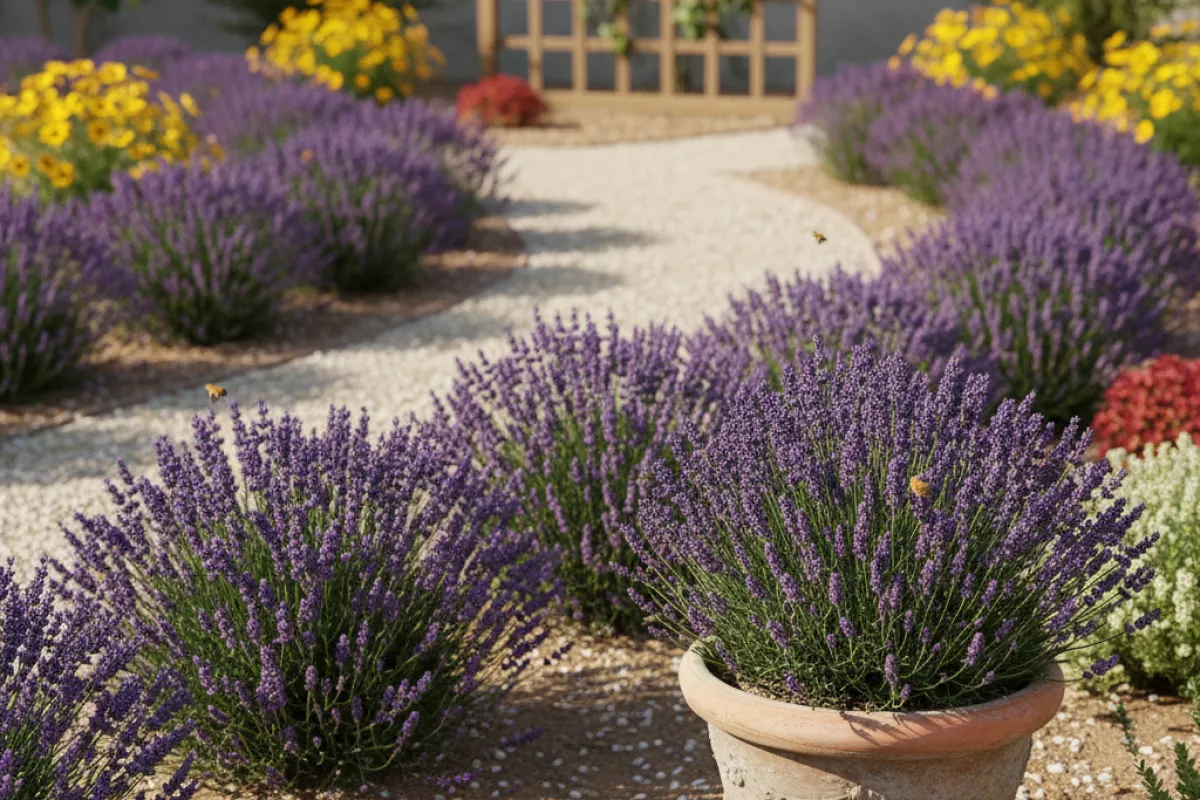
When space is tight, the easiest wins come from plants that stay naturally small, bloom without fuss, and don’t need constant pruning to behave. Look for tidy mounds, clumping habits, or dwarf cultivars that keep their shape in bright light and heat.
| Plant (compact choice) | Size & best use in a small sunny garden | Sun/soil notes | Care tip to keep it neat |
|---|---|---|---|
| Dwarf lavender (Lavandula angustifolia dwarf types) | 30–45 cm tall (12–18 in); edging, path borders, containers | Full sun; fast-draining soil is key | Shear lightly after flowering; avoid cutting into old woody stems |
| Catmint (Nepeta, compact varieties) | 25–40 cm tall (10–16 in); soft mound for front-of-bed color | Full sun; tolerates lean, dry soils once established | Cut back by about 1/3 after the first flush to refresh blooms |
| Stonecrop (Sedum, low-growing forms) | 10–20 cm tall (4–8 in); rock edges, gravel gardens, pots | Full sun; dislikes soggy soil | Pinch or trim in late spring to prevent flopping |
| Blanket flower (Gaillardia, compact selections) | 25–40 cm tall (10–16 in); long-blooming color in small beds | Full sun; average to sandy soil | Deadhead to extend flowering and keep the clump tidy |
| Dwarf daylily (Hemerocallis, mini types) | 30–45 cm tall (12–18 in); clumps that fit narrow strips | Full sun to light shade; adaptable soil with decent drainage | Remove spent flower stalks; divide every 3–5 years to maintain vigor |
| Globe amaranth (Gomphrena) | 20–45 cm tall (8–18 in); compact annual for pots and hot spots | Full sun; handles heat well once rooted | Pinch young plants for bushier growth and more stems |
| Trailing nasturtium (Tropaeolum, compact/trailing types) | 20–30 cm tall (8–12 in) with spill; ideal for hanging baskets | Full sun; blooms best in not-too-rich soil | Trim long runners to steer growth and prevent tangling |
| Blue fescue (Festuca glauca) | 20–30 cm tall (8–12 in); small clumps for texture and contrast | Full sun; prefers dry, well-drained soil | Comb out dead blades in spring; replace clumps every few years if they thin |
To make these small-scale plants work harder, repeat one or two varieties in short runs instead of scattering singles. In a bed that’s 1 m deep (3.3 ft), a simple pattern like “mounding flower + low succulent edge + one grass clump” reads as intentional and stays easy to maintain.
- Keep spacing honest: give each plant its mature width so airflow stays good and you don’t end up pruning just to create pathways.
- Use containers strategically: a 30–40 cm (12–16 in) pot can hold a compact bloomer and still leave ground space for another sun lover.
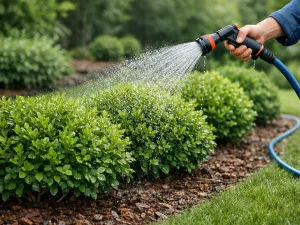
- Water deeply, less often: most compact sun plants prefer a soak that reaches roots rather than frequent splashes that encourage shallow growth.
Spacing considerations for tight gardens
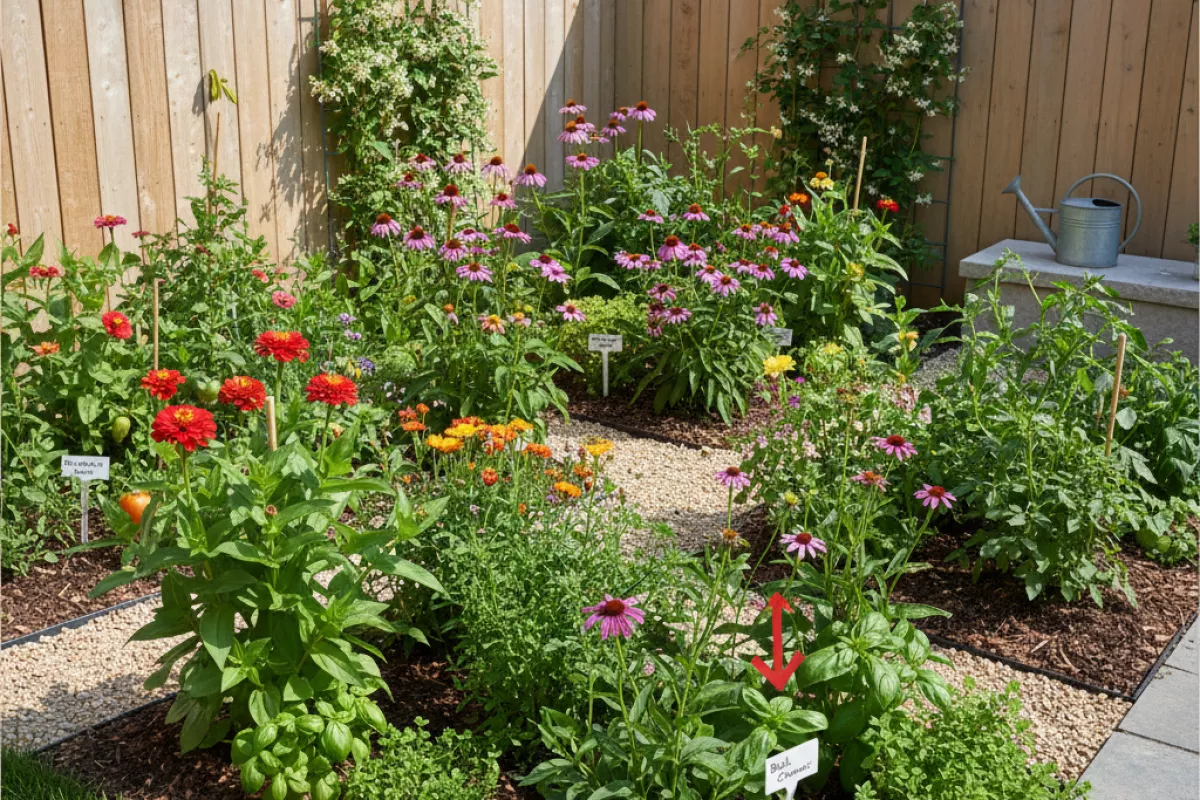
In a small, sunny plot, spacing is less about following the plant tag and more about managing light, airflow, and access for watering and harvesting. A few smart layout choices can let you fit more full-sun plants without creating a crowded tangle that invites mildew or makes maintenance miserable.
Start by thinking in “mature size,” not “current pot size.” If a plant is listed at 45 cm (18 in) wide, it will try to occupy that space by midseason. When you pack plants tighter than their mature spread, compensate by choosing varieties bred for compact growth, pruning regularly, or accepting that you’ll thin and harvest earlier.
- Use height to your advantage: Place taller sun-lovers on the north side in the Northern Hemisphere (south side in the Southern Hemisphere) so they don’t shade shorter neighbors. Even a 60 cm (24 in) plant can block a surprising amount of light when the sun angle drops later in the season.
- Group by water needs, not just looks: Drought-tolerant plants (like many Mediterranean herbs) can be spaced with gravel mulch and less frequent irrigation, while thirstier bloomers may need closer monitoring. Keeping similar needs together reduces overwatering in tight beds.
- Plan for airflow corridors: Leave at least 20–30 cm (8–12 in) of open space as a “service lane” in very small beds, or create gaps between plant clusters. This helps foliage dry faster after watering and makes it easier to spot pests.
- Stagger planting (triangular spacing): Instead of lining plants up in a grid, offset them so each plant sits between two others. You often gain room without increasing competition as much as you’d expect.
- Go vertical where it makes sense: Trellises, cages, and narrow obelisks let climbers and vining crops take sun overhead while freeing soil space below. Keep supports 10–15 cm (4–6 in) away from walls or fences so leaves don’t get trapped in a hot, stagnant pocket.
- Choose “right-sized” cultivars: Look for dwarf, patio, or compact selections and plants described as “mounding” rather than “spreading.” A compact plant at 30 cm (12 in) wide is easier to place than a groundcover that runs 90 cm (36 in).
- Account for containers and edging: Pots, stones, and borders steal usable width. If your bed is 90 cm (36 in) across but you have a 10 cm (4 in) edge on both sides, you’re really planting in about 70 cm (28 in).
- Succession and “cut-and-come-again” harvesting: For quick crops, tighter spacing can work if you harvest young and often. For long-season plants, give them their full footprint or be prepared to prune and thin.
| Situation in a small full-sun garden | Spacing approach that usually works better |
|---|---|
| Plants shading each other by midday | Reorder by height; keep taller plants to the “back” and use supports to lift vines upward rather than outward |
| Powdery mildew or leaf spot showing up | Increase gaps, prune inner growth, and water at soil level; aim for at least 20–30 cm (8–12 in) of breathing room between dense clumps |
| Bed is hard to reach without stepping in it | Limit bed width to about 90–120 cm (36–48 in) or add a narrow access strip so you can tend plants without crushing roots |
| Soil dries out too fast in summer heat | Use slightly closer planting with compatible water needs, then mulch 5–8 cm (2–3 in) to shade soil and reduce evaporation |
| Roots competing and plants staying small | Reduce plant count, switch to compact varieties, or feed more consistently; tight spacing often needs more frequent fertilizing and watering |
If you’re unsure, err on the side of a little extra room for the plants that stay all season, and “fill the gaps” with short-lived sun lovers you can remove later. That way the garden looks full early on, but you still end up with healthy, well-lit plants when everything reaches peak size.
Container options for sunny spots
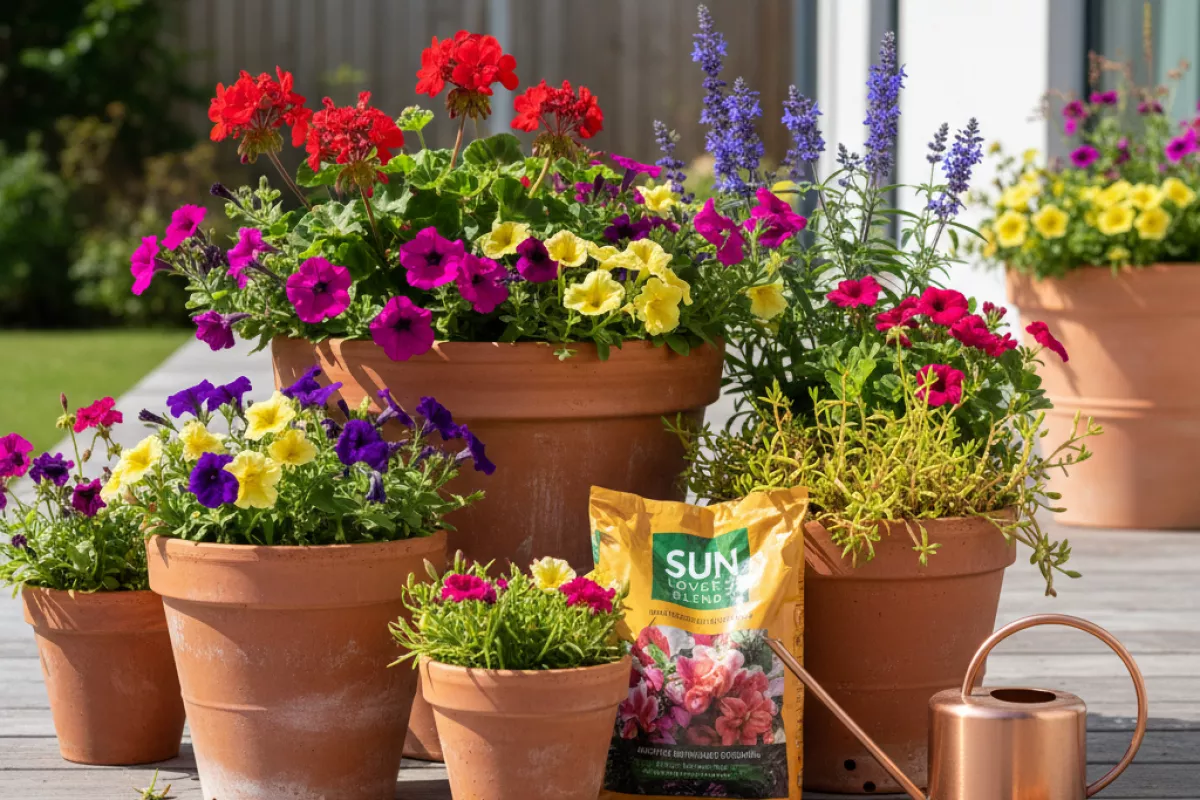
For small gardens that get strong afternoon light, pots and planters let you “place” color where you need it and control soil quality more precisely than in-ground beds. The tradeoff is faster drying, so the best setups focus on root room, drainage, and a mix that holds moisture without staying soggy.
- Terracotta or clay pots: Breathable and great for heat-loving plants, but they dry quickly. Choose a larger size than you think you need—at least 30 cm (12 in) wide for many flowering annuals—and water more often during hot spells.
- Glazed ceramic: Holds moisture longer than unglazed clay and looks tidy in tight spaces. Make sure there’s a drainage hole; if the pot is decorative-only, use it as a cachepot with a nursery pot inside.
- Fabric grow bags: Lightweight and easy to tuck into corners. They air-prune roots (helpful for compact growth) but can dry fast in full sun, so consider mulching the top with 2.5 cm (1 in) of fine bark or compost.
- Resin or plastic: Practical for balconies and small patios because they’re light and retain moisture well. In very bright locations, darker colors can heat the root zone; a light-colored pot or a double-pot setup helps.
- Wood planters: Good insulation for roots and a nice fit for narrow footprints. Line the inside with a permeable landscape fabric (not plastic sheeting) so excess water can still drain.
- Self-watering containers: Useful if you can’t water daily in summer. They’re not “set and forget,” but the reservoir buys time and reduces midday wilt.
Size matters more than most people expect. In bright, exposed spots, a deeper container buffers temperature swings and keeps moisture available longer. As a rule of thumb, aim for 25–35 cm (10–14 in) depth for most sun-loving perennials and mixed plantings; smaller pots can work for succulents and compact herbs, but they’ll need closer attention.
| Container type | Best for | Watch-outs in full sun | Simple tip |
|---|---|---|---|
| Terracotta/clay | Mediterranean herbs, drought-tolerant bloomers | Fast drying; salts can crust on rims | Use a moisture-retentive mix and water deeply until it runs out the bottom |
| Glazed ceramic | Mixed plantings where you want steadier moisture | Heavy; can crack if water freezes | Elevate slightly on pot feet for better drainage and airflow |
| Fabric grow bag | Seasonal color, compact vegetables | Edges dry first; may need frequent watering | Add 2.5 cm (1 in) mulch layer to slow evaporation |
| Resin/plastic | Balconies, rooftops, weight-sensitive areas | Root zone can overheat in dark pots | Choose light colors or shade the pot while keeping the plant in sun |
| Wood planter | Narrow spaces, screening, grouped plantings | Can dry unevenly; wood weathers over time | Line with breathable fabric and check corners for dryness |
For soil, a high-quality potting mix is usually better than garden soil in containers because it drains well while still holding water. If your planters bake in summer, mixing in compost and a small portion of water-holding amendment can reduce stress—just avoid making the mix too dense, since roots still need oxygen.
Finally, plan for watering access. Grouping pots together creates a slightly cooler microclimate and reduces evaporation, and a saucer can help on very hot days—just don’t let water sit for long periods, especially for plants that dislike wet feet.
Pruning to control growth size
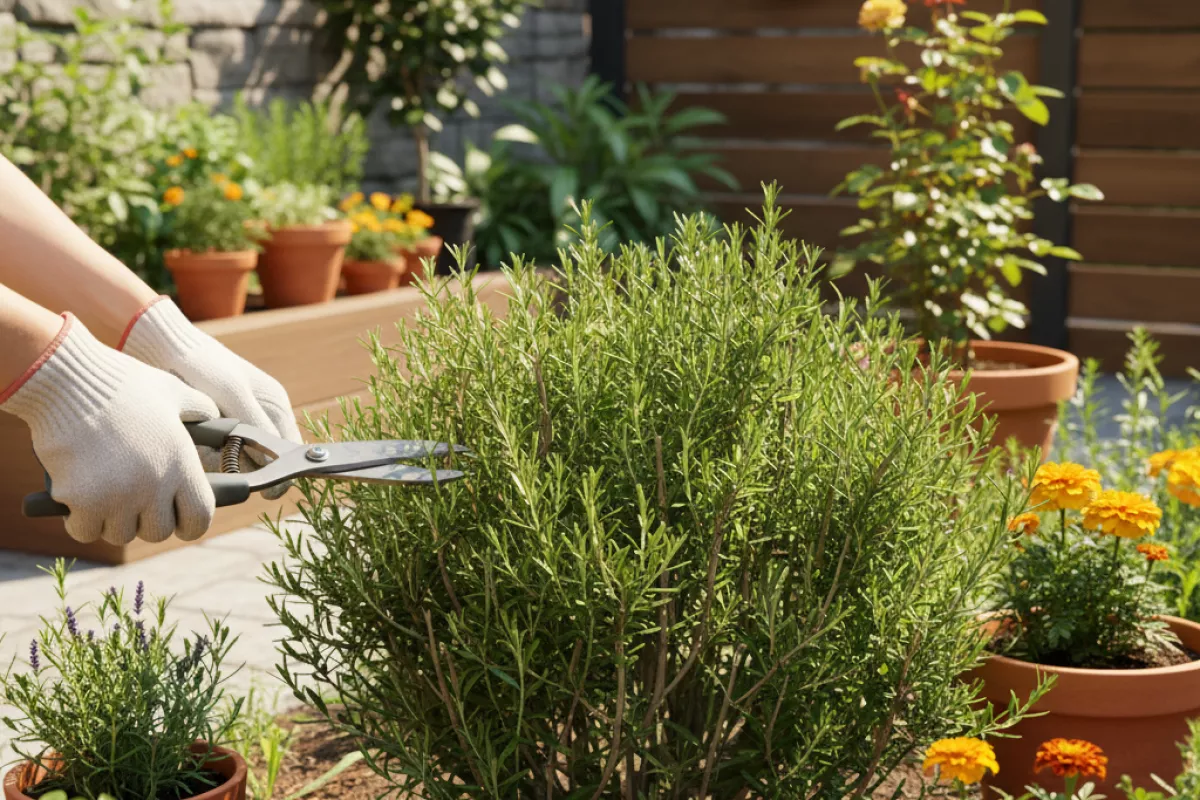
Keep full-sun plants compact by trimming with a clear goal: reduce height and spread without stressing the plant. In small gardens, a few well-timed cuts usually work better than frequent little snips, because plants respond with predictable bursts of new growth.
- Start with the right target: remove dead, damaged, or crossing stems first. This “cleanup” cut improves airflow and makes the shaping cuts easier to see.
- Pinch for bushiness: on soft-stemmed annuals and many herbs, pinch out the growing tip to encourage side shoots. Take about 1–2 cm (0.4–0.8 in) off the tip at a time.
- Head back to control height: shorten overly long stems by cutting just above a leaf node or side branch. As a rule of thumb, reduce by up to one-third at once for many shrubs; if you need more reduction, do it in stages.
- Thin to reduce bulk without a “sheared” look: remove a few stems at their origin (near the base or a main branch). Thinning keeps a natural shape while lowering density, which matters in tight, sunny beds where heat builds up.
- Deadhead to prevent legginess: removing spent flowers redirects energy into new blooms instead of seed. Cut back to the next set of leaves or a strong side shoot.
| Plant type in full sun | Best size-control approach | When to do it | How much to remove |
|---|---|---|---|
| Woody shrubs (e.g., lavender, rosemary, potentilla) | Light shaping + selective thinning | After flowering or in early spring as growth starts | Up to 1/3 of green growth; avoid cutting into bare, leafless wood on plants that don’t resprout well |
| Flowering perennials (e.g., salvia, coreopsis, coneflower) | Deadhead + midseason cutback | Deadhead weekly; cut back after first flush if plants sprawl | Remove spent stems; for a reset, cut to 10–20 cm (4–8 in) if the species tolerates it |
| Annuals (e.g., zinnia, cosmos, petunia) | Pinch early + regular heading back | Pinch at 15–25 cm (6–10 in) tall; continue through peak growth | Pinch 1–2 cm (0.4–0.8 in) tips; head back by 5–15 cm (2–6 in) as needed |
| Vines in small spaces (e.g., mandevilla, black-eyed Susan vine) | Train + shorten laterals | Train weekly during warm growth; trim when shoots outgrow supports | Cut laterals back to 2–4 nodes, roughly 5–15 cm (2–6 in), to keep coverage tidy |
Make cuts cleanly with sharp pruners, and water afterward if the soil is dry; sun-loving plants often sit in warmer, faster-drying spots. If you’re unsure how a plant reacts, trim a small section first and watch for regrowth over 10–14 days (1.5–2 weeks) before doing the rest.
One caution for tight gardens: avoid heavy pruning during extreme heat, such as above 32°C (90°F). Removing too much foliage at once can expose stems and soil to sunscald and rapid moisture loss, which can make compact plants look worse rather than better.
Design ideas for small sunny gardens
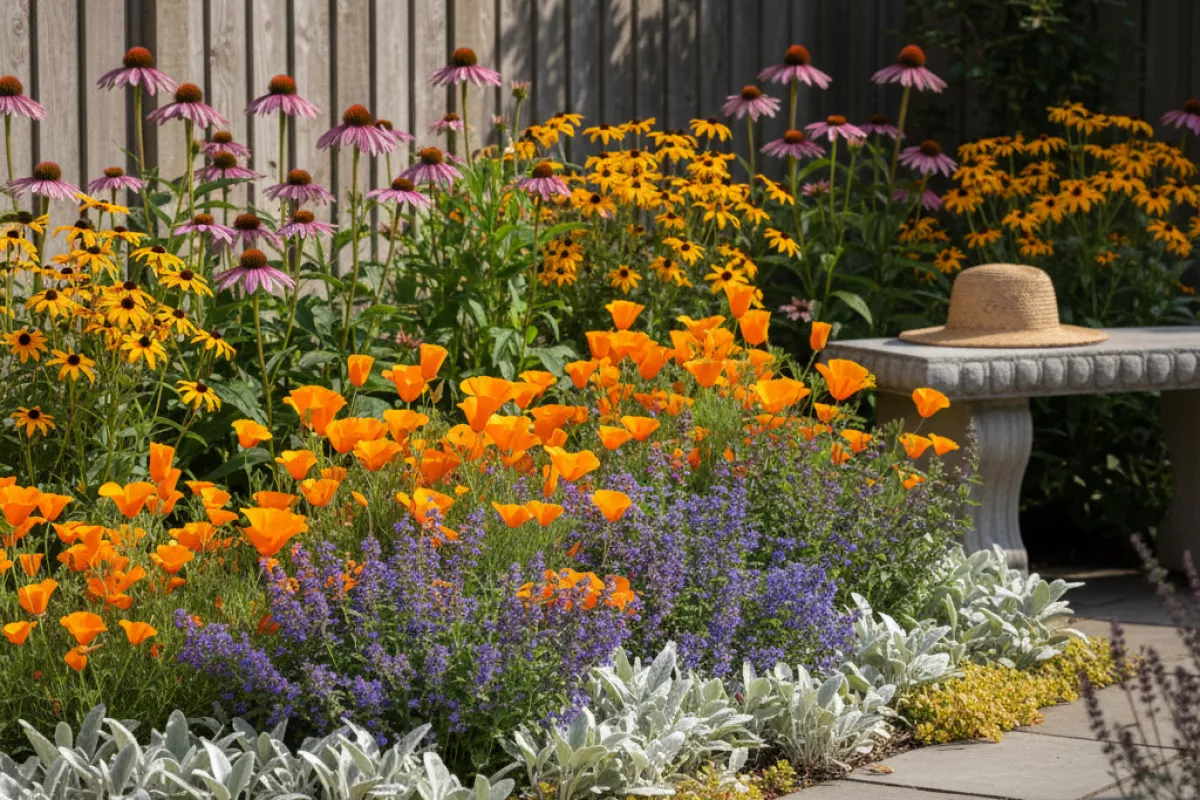
Start by treating sun as your main “design material.” In a compact space, the easiest way to make full-sun plants look intentional is to repeat a few shapes and colors, then use height changes to keep the view interesting without crowding walkways.
- Use layers to create depth. Place the tallest plants at the back or center (depending on viewing angle), mid-height bloomers in front, and low edging plants at the border. Even a depth of 60 cm (24 in) can feel lush when you stack heights rather than spreading everything out.
- Build a simple color rule. Pick one main flower color and one accent (for example, purple with yellow highlights), then repeat them in 3–5 spots. This keeps a small sunny garden from looking busy when everything is in bloom at once.
- Repeat plant “clumps,” not single specimens. Group the same sun-loving plant in clusters of 3, 5, or 7 so the planting reads as a pattern. In tight beds, a clump that’s 30–45 cm (12–18 in) wide often looks more deliberate than scattered individuals.
- Make paths narrow but workable. If you include a walkway, aim for about 45–60 cm (18–24 in) so you can reach plants without stepping into beds. A single clear route makes the space feel larger than multiple tiny paths.
- Go vertical to save ground space. Add a trellis, obelisk, or wall-mounted support for climbers and airy vines. A vertical panel around 120–180 cm (4–6 ft) tall can add a lot of planting area without shrinking your usable floor space.
- Use containers as “moveable gaps.” Pots let you adjust spacing as plants fill in, and they’re handy for heat-loving herbs or a specimen plant you want to feature. Group containers in odd numbers and vary heights for a layered look.
- Plan for heat and glare. Full sun in a small area can reflect off fences, paving, and walls. Leave a little breathing room—about 10–20 cm (4–8 in)—between plants and hard surfaces so foliage doesn’t bake against hot materials.
- Mix bloom time with foliage texture. Combine plants that flower at different times with reliable foliage (silver, fine-textured, or architectural leaves). This keeps the design from “peaking” for two weeks and then looking flat.
- Limit the plant palette. Choose fewer species and repeat them. A small full-sun garden often looks calmer with 5–9 core plants, then a couple of seasonal fillers for variety.
| Small-space layout idea | How it works in full sun | Best use case |
|---|---|---|
| Border + focal point | Low edging plants frame the bed; one taller plant anchors the view and handles bright exposure | Front yards, narrow side beds, along a fence |
| Island bed (viewed from all sides) | Tallest plants in the center, stepping down to groundcovers; sun hits evenly so all sides look good | Small lawns, patio corners, courtyard gardens |
| Container cluster | Pots warm quickly and suit sun lovers; you can rotate plants to manage peak heat | Balconies, paved patios, renters |
| Vertical wall/trellis strip | Climbers and upright growers capture light without taking much soil area | Very tight beds, sunny walls, privacy needs |
To keep maintenance manageable, leave a small “service gap” where you can kneel or step—about 30 cm (12 in) wide—near the plants that need deadheading or frequent harvest. In bright, exposed spots, a simple mulch layer of 5–7.5 cm (2–3 in) helps conserve moisture and reduces the stress that can make compact plantings look tired by midsummer.
Maintenance tips for limited space
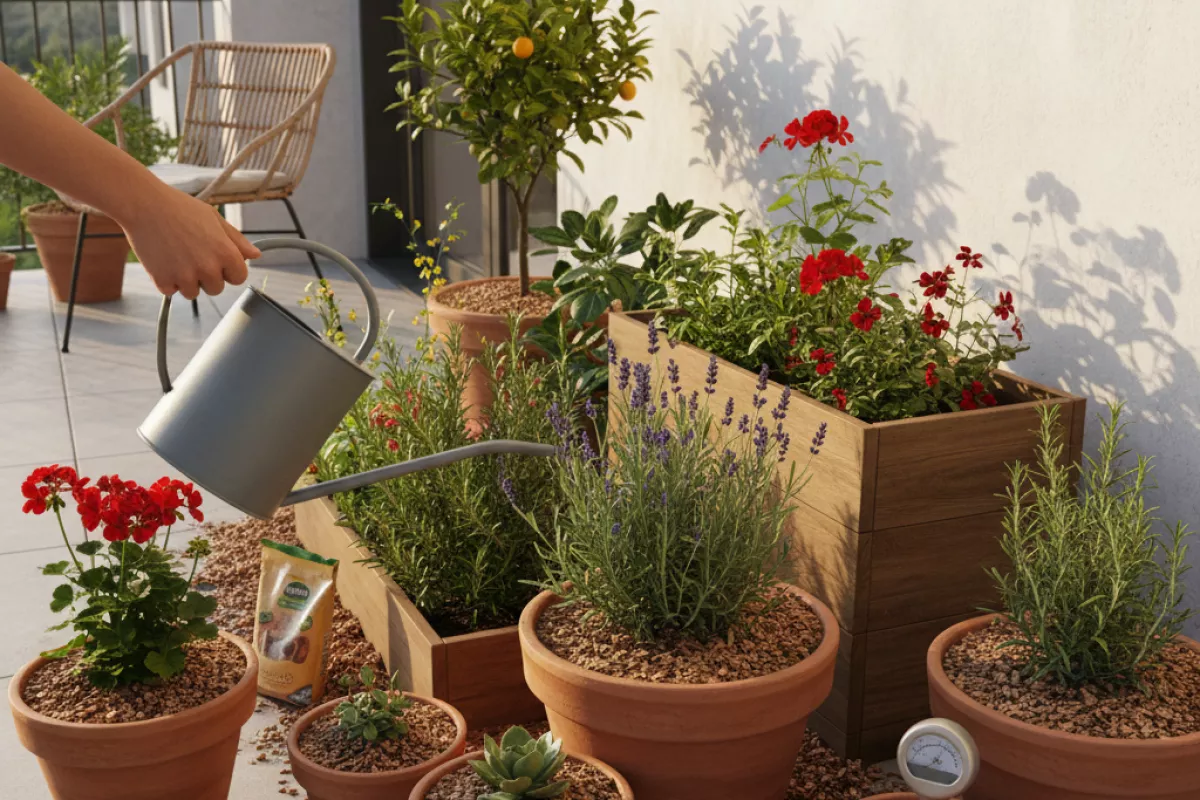
In a small, sunny garden, the goal is to keep plants healthy without letting watering, feeding, and pruning turn into a daily chore. A few simple routines make containers and tight beds more forgiving, especially when heat reflects off walls and patios.
- Water deeply, less often. Give a thorough soak until water runs out the drainage holes, then wait until the top 2–3 cm (1–1.2 in) of soil feels dry. This encourages deeper roots and reduces stress during hot spells.
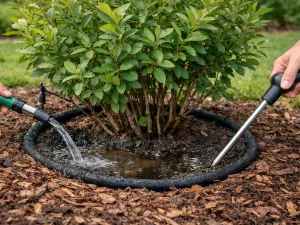
- Use mulch to slow evaporation. Add 3–5 cm (1.2–2 in) of compost, shredded bark, or leaf mold on the soil surface. Keep mulch 2–3 cm (1–1.2 in) away from stems to prevent rot and pests.
- Choose the right pot size and material. Small pots dry fast. For most full-sun plants, step up to at least 25–30 cm (10–12 in) diameter containers when possible. Terracotta breathes but dries quicker; plastic or glazed pots hold moisture longer.
- Improve potting mix for sun exposure. Refresh containers each season by replacing the top 5–8 cm (2–3 in) of mix and blending in compost. If water runs straight through, add moisture-holding components (like coir) rather than more garden soil, which can compact in pots.
- Feed lightly but regularly. In confined soil, nutrients wash out. Use a slow-release fertilizer at label rates, or a liquid feed every 2–4 weeks during active growth. If leaves look lush but flowers are sparse, reduce nitrogen and switch to a bloom-focused feed.
- Prune for airflow and shape. Trim back leggy growth to keep plants compact and prevent shading neighbors. For flowering annuals and many perennials, deadhead spent blooms to redirect energy into new buds.
- Stagger heights and check for shade creep. In tight layouts, one fast grower can block sun. Place taller plants on the north side (in the Northern Hemisphere) or south side (in the Southern Hemisphere) so shorter ones still get light.
- Group by water needs. Keep drought-tolerant herbs and succulents together, and thirstier bloomers together. This avoids overwatering one group just to keep another alive.
- Watch heat stress signs early. Wilting at midday that recovers by evening is common in strong sun; wilting that persists into morning means the root zone is too dry. Also check for scorched leaf edges, which can indicate salt buildup from fertilizer—flush the pot with clean water every 4–6 weeks.
- Keep pests manageable with quick checks. In small spaces, problems spread fast. Inspect undersides of leaves weekly; a firm water spray can knock back aphids and mites before they multiply.
If you want the lowest-effort routine, set a reminder to do a 5-minute check 2–3 times per week: feel the soil, remove spent blooms, and scan for pests. That small habit usually prevents the “everything needs attention at once” moment that cramped, full-sun plantings can create.