Low-Light Plants Safe for Pets

 Covers why plant safety matters for pets, how to identify non-toxic species, and the best low-light plants safe for cats and dogs. Also explains placement to prevent chewing, toxicity symptoms to watch for, safe care products, and tips for a pet-friendly plant setup.
Picking houseplants that tolerate low light and are safe around cats and dogs can be tricky. This guide highlights reliable pet-friendly choices for dim rooms, explains where to place them so they grow steadily, and shares simple care routines to avoid leggy growth, overwatered soil, and damage from curious chewing.
Why plant safety matters for pets
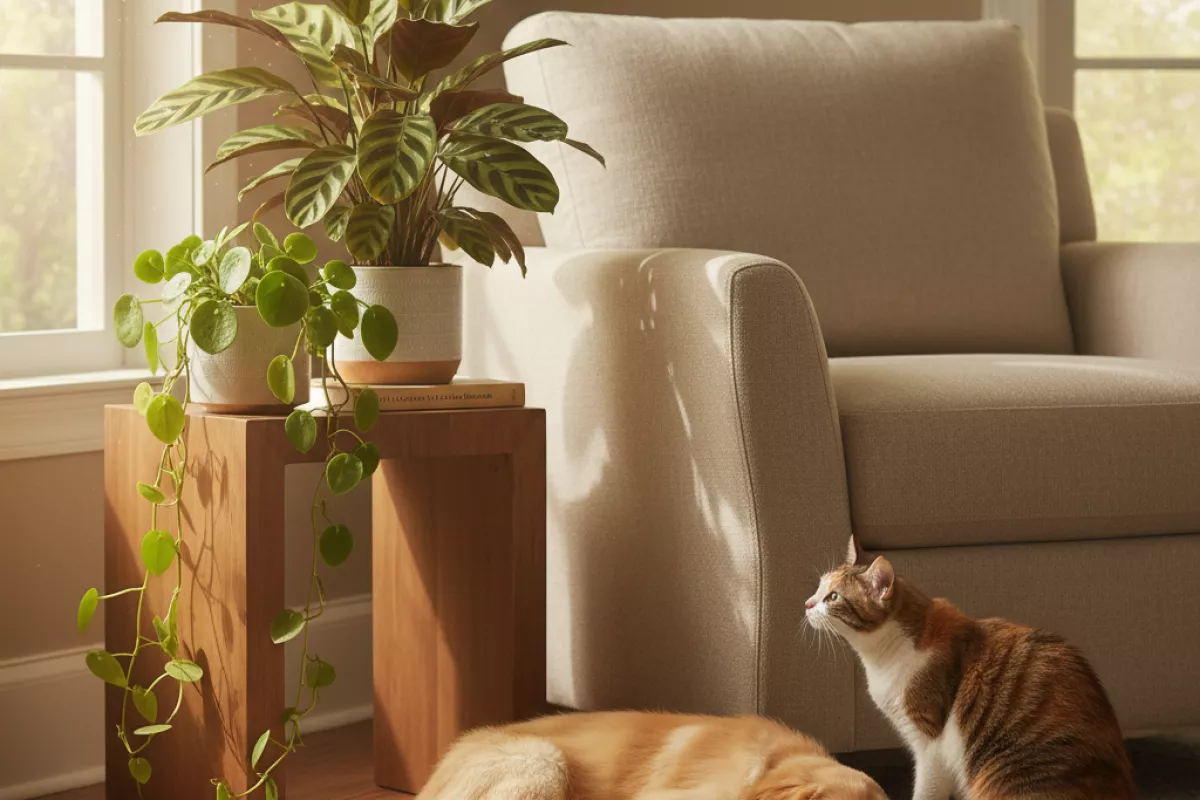
Choosing greenery for a home with animals isn’t just about aesthetics; it’s about reducing avoidable risks. Cats and dogs explore with their mouths, and even a “minor” nibble can lead to vomiting, drooling, diarrhea, or irritation around the lips and tongue. Some plants are far more dangerous than people realize, especially for curious kittens, puppies, or pets that chew when bored.
Low-light houseplants can be a great fit for apartments and dim corners, but shade tolerance doesn’t automatically mean animal-friendly. A plant that thrives in indirect light may still contain compounds that upset a pet’s stomach or cause more serious reactions. That’s why it helps to treat plant selection like any other household safety decision: consider likely exposure and the consequences if your pet gets into it.
- Pets don’t need to eat much to react. Small bodies and sensitive digestive systems mean a little chewing can trigger symptoms quickly.
- Chewing is normal behavior. Cats may mouth leaves for texture; dogs may grab stems during play or when teething.
- Reactions can look like “random illness.” A plant-related upset stomach can be mistaken for food intolerance, hairballs, or a bug, delaying the real fix.
- Some effects are mechanical, not just chemical. Fibrous leaves can cause gagging, and sap can irritate skin or eyes after rubbing.
- Placement isn’t a perfect solution. A pot on a shelf can still be reached by a jumping cat or knocked down by a wagging tail.
If you’re mixing pets and indoor plants, the goal is to stack the odds in your favor: pick species known to be non-toxic, keep tempting leaves out of easy reach, and watch for changes in behavior around new additions. If your pet chews a plant and shows concerning signs (repeated vomiting, lethargy, trouble breathing, or swelling), treat it as urgent and contact a veterinarian with the plant name if you have it.
How to identify non-toxic species
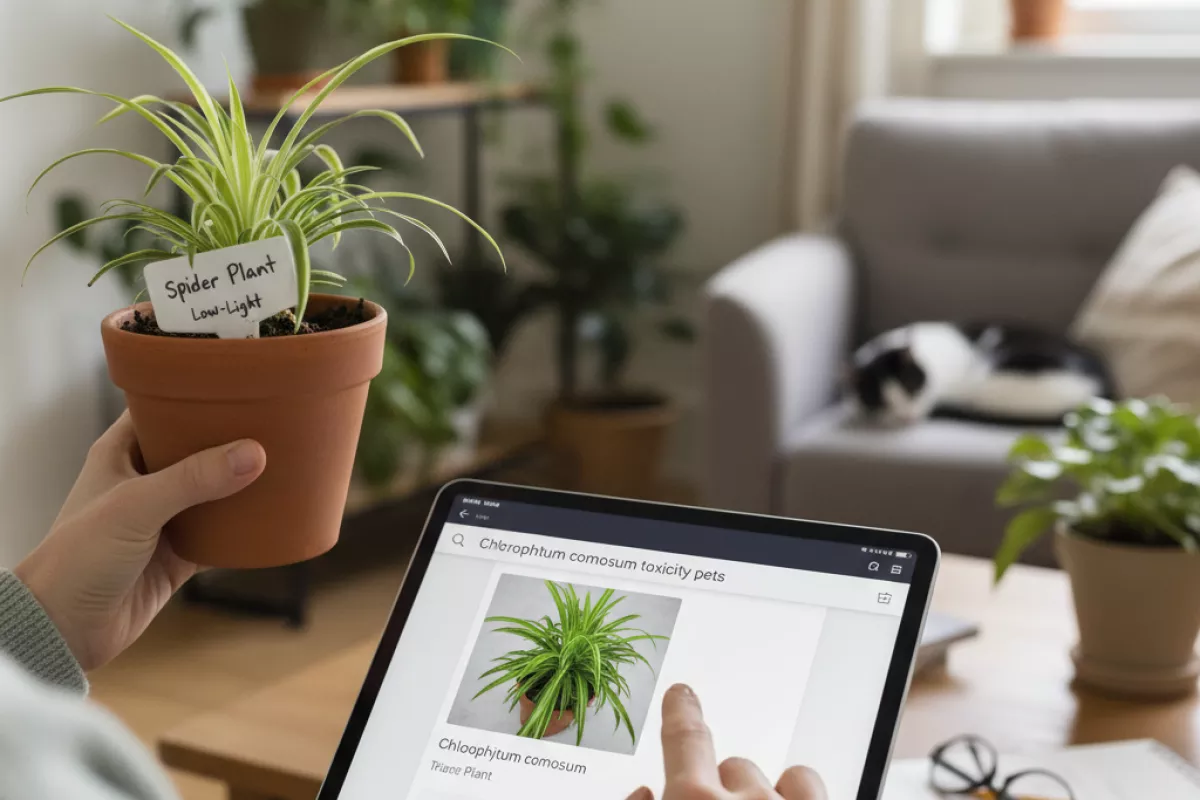
Start with the plant’s exact identity, not the common name on the tag. Many “low-light houseplants” share similar looks, and a harmless option can be sold under the same nickname as a toxic one. Your goal is to confirm the scientific (Latin) name and then verify it against a reliable pet-toxicity reference before the plant ever reaches a spot your cat or dog can nibble.
-
Confirm the scientific name (genus + species)
Ask the seller for the botanical name (for example, Chlorophytum comosum rather than “spider plant”). If the label only lists a common name, treat it as unverified. A quick photo of the tag plus the plant (leaves, stems, and overall shape) helps you double-check later.
-
Watch for “look-alike” traps
Some safe and unsafe plants are easy to confuse when they’re small or not in bloom. Pay attention to leaf arrangement (opposite vs. alternating), stem thickness, and whether the plant has a cane-like trunk. If you can’t confidently distinguish it, assume it may be risky until confirmed.
-
Check the whole plant, not just the species name
Cultivars and close relatives can differ. Also, a planter may contain multiple species (a “dish garden”), where one toxic plant makes the whole arrangement a problem. Inspect for mixed cuttings, moss toppers hiding stems, or multiple root balls in one pot.
-
Be cautious with category words on labels
Terms like “pet-friendly,” “non-toxic,” or “safe” are not regulated and can be used loosely. Treat them as a starting point, not proof. If the tag doesn’t provide a Latin name, it’s not enough information to rely on.
-
Use a simple risk screen before buying
- Milky sap (latex) when a leaf or stem snaps can be a red flag; many latex-producing houseplants irritate mouths and stomachs.
- Bulbs, corms, or tubers can be more concentrated in irritating compounds than leaves.
- Strong fragrance isn’t automatically dangerous, but heavily scented blooms are worth verifying carefully for cats in particular.
| What to verify | What “good” looks like | What to do if it’s unclear |
|---|---|---|
| Label accuracy | Genus + species listed (Latin name), cultivar optional | Don’t buy yet; request the botanical name or choose a clearly labeled plant |
| Single species in the pot | One plant type, one root system, no mixed cuttings | Avoid “assorted” planters; pick a single plant in its own nursery pot |
| Visual ID cues | Leaf shape, growth habit, and stem type match the verified species | Take photos and confirm before placing it within pet reach |
| Family-level red flags | No milky sap; no unknown bulb/tuber; no mystery “cane” plant | Assume higher risk and select a well-known pet-safe alternative |
| Household exposure | Plant can be kept out of chewing range (e.g., on a shelf 150 cm (59 in) high) | Use a hanging planter or skip it if your pet is a climber or persistent chewer |
If you’re still uncertain after checking the name and the plant’s features, treat it as “unknown” rather than “probably fine.” When pets are involved, the safest approach is to pick species that are consistently listed as non-toxic across reputable references, then place them where curious mouths can’t easily test them.
Best low-light plants safe for animals
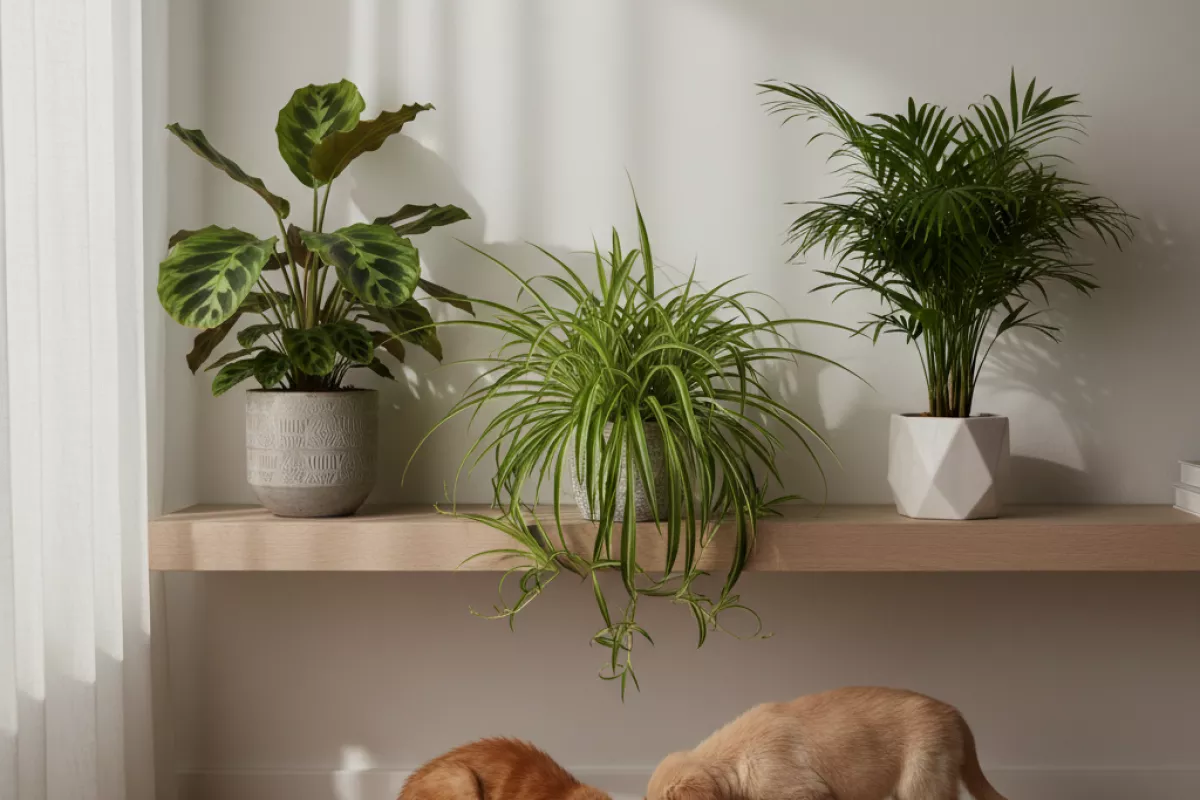
When your space doesn’t get much sun, the safest approach is to pick species that tolerate shade and are widely regarded as non-toxic to cats and dogs. Even with “pet-safe” choices, it’s smart to discourage chewing (especially with curious kittens and puppies) and to place pots where digging is less tempting.
| Plant | Why it works in low light | Pet safety note | Care tips in dim rooms |
|---|---|---|---|
| Spider plant (Chlorophytum comosum) | Handles shade better than many houseplants; stays tidy with moderate light. | Generally considered non-toxic, but nibbling can still cause mild stomach upset in some pets. | Water when the top 2.5 cm (1 in) dries; rotate the pot weekly so growth stays even. |
| Cast iron plant (Aspidistra elatior) | One of the most forgiving plants for darker corners; slow, steady growth. | Commonly listed as pet-friendly. | Let the top 5 cm (2 in) dry before watering; wipe leaves to help it use available light. |
| Parlor palm (Chamaedorea elegans) | Prefers indirect light and tolerates lower levels without dropping fronds. | Typically non-toxic for cats and dogs. | Keep soil lightly moist, not soggy; aim for 18–24°C (65–75°F) and avoid cold drafts. |
| Prayer plant (Maranta leuconeura) | Does well in bright shade and can adapt to medium-low light, especially with good humidity. | Generally regarded as safe for pets. | Use filtered water if possible; keep humidity up with a pebble tray and 250 ml (8 fl oz) water added as needed. |
| Peperomia (many varieties) | Compact plants that cope with medium to lower light, depending on the cultivar. | Often listed as non-toxic; still best to limit chewing. | Water sparingly once the top half of the pot dries; shallow pots help prevent overwatering. |
| Swedish ivy (Plectranthus verticillatus) | Trailing growth that stays attractive in indirect light and partial shade. | Commonly considered pet-safe. | Pinch tips for fullness; let the top 2.5–5 cm (1–2 in) dry between waterings. |
If you’re choosing between a few options, prioritize the plant that matches your routine. Low-light tolerant species often fail from overwatering rather than lack of sun, so pots with drainage holes and a lighter hand with the watering can make a bigger difference than moving the plant around.
- Place plants thoughtfully: A shelf or hanging planter reduces chewing and digging, while still keeping greenery where you can enjoy it.
- Watch for repeat nibbling: Even non-toxic leaves can irritate a sensitive stomach; if you notice drooling or vomiting, remove access and consult a vet.
- Adjust expectations: In dim rooms, growth is slower. New leaves may appear every 4–8 weeks (1–2 months) rather than every couple of weeks.
Placement strategies to prevent chewing
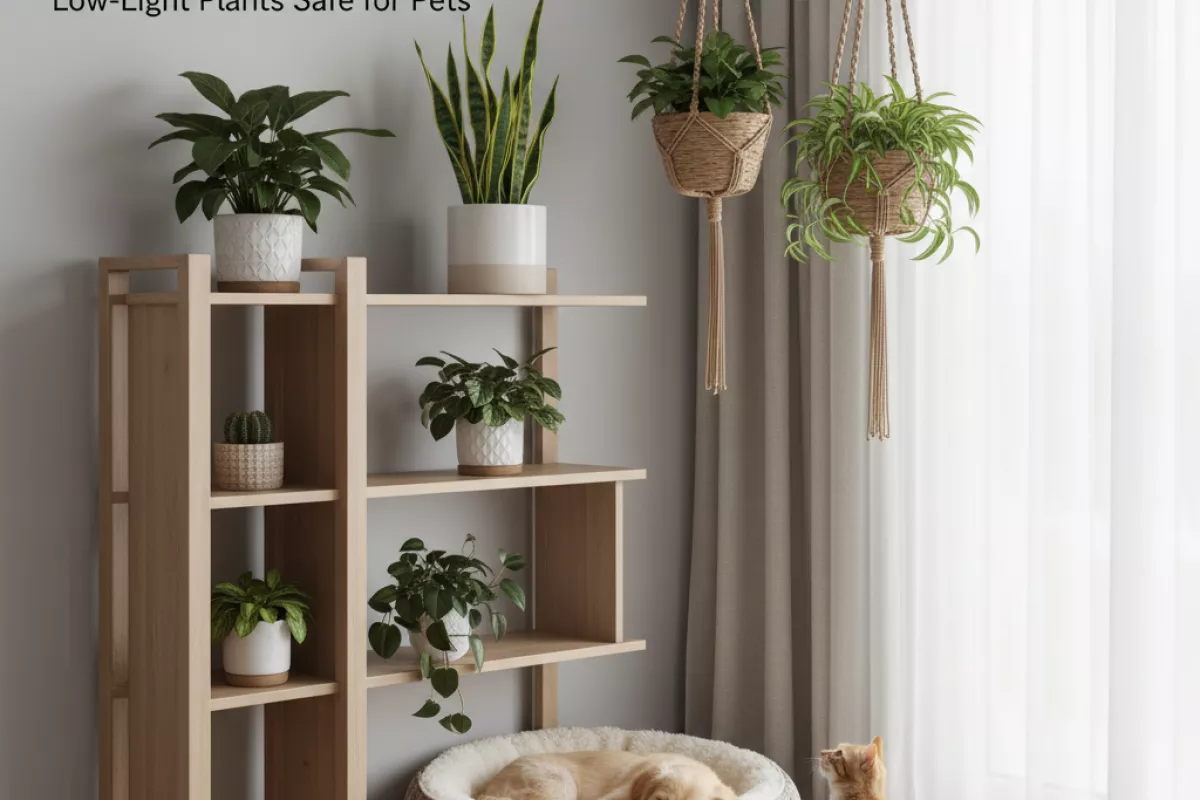
Make nibbling inconvenient rather than trying to “train it out” with constant corrections. With low-light plants, you can often solve the problem by putting the greenery where pets can’t casually reach it, while still giving the plant the dim, steady light it prefers.
- Use vertical space first. Wall shelves, tall bookcases, and plant stands keep leaves away from curious mouths. Aim for a shelf height your pet can’t reach even when standing or jumping.
- Hang plants with a safety margin. Choose sturdy ceiling hooks and hangers, and keep foliage at least 60 cm (24 in) above any “launch point” like a sofa arm or cat tree. Check that trailing vines don’t dangle into reach.
- Create a “no-access zone” with a physical barrier. A baby gate, closed office door, or a plant cabinet with ventilation can protect both pets and plants. This is especially helpful for persistent chewers or new rescues still exploring.
- Move plants away from pet pathways. Avoid placing pots along window sills used as cat walkways or near the back of couches where pets patrol. Corners can work if they’re not part of a regular route.
- Stabilize pots to prevent tipping. Use heavier planters, add a wide base, or place the pot inside a heavier cachepot. If needed, secure the container to the stand with removable fasteners so a bump doesn’t become a spill.
- Manage the “temptation factors.” Trim damaged leaves, remove fallen bits promptly, and keep soil covered with a plant-safe top layer (like larger stones) so digging doesn’t turn into chewing. Avoid small gravel that could be swallowed.
- Offer a better legal chew. Put pet grass or approved chew toys in the spots where your pet tends to snack on leaves. This redirects the habit without turning plant care into a constant battle.
- Rotate locations thoughtfully. If a plant must move for light, do it gradually and observe behavior for a few days. A new placement can become a new target, especially if it’s at nose level.
| Pet behavior or home setup | Practical placement fix | Why it helps |
|---|---|---|
| Cat jumps onto shelves and samples leaves | Hang the plant and keep foliage 60 cm (24 in) above the nearest jumping surface | Removes the “easy bite” even if the cat reaches the shelf |
| Dog noses pots and knocks them over | Use a heavier pot and place it behind a low barrier (gate or furniture) | Reduces access and prevents spills that attract repeat attention |
| Pet chews trailing vines | Pin vines up with clips or place the plant on a higher stand so nothing dangles | Eliminates dangling movement that invites play-biting |
| Pet digs in soil, then chews leaves | Cover soil with larger stones and move the plant off the floor | Stops digging triggers and breaks the habit loop |
If you’re unsure whether a spot is truly out of reach, test it from your pet’s perspective: look for nearby “step-stools” (ottomans, radiators, litter boxes, side tables) and increase the distance until the plant isn’t a convenient target.
Symptoms of plant toxicity to watch for
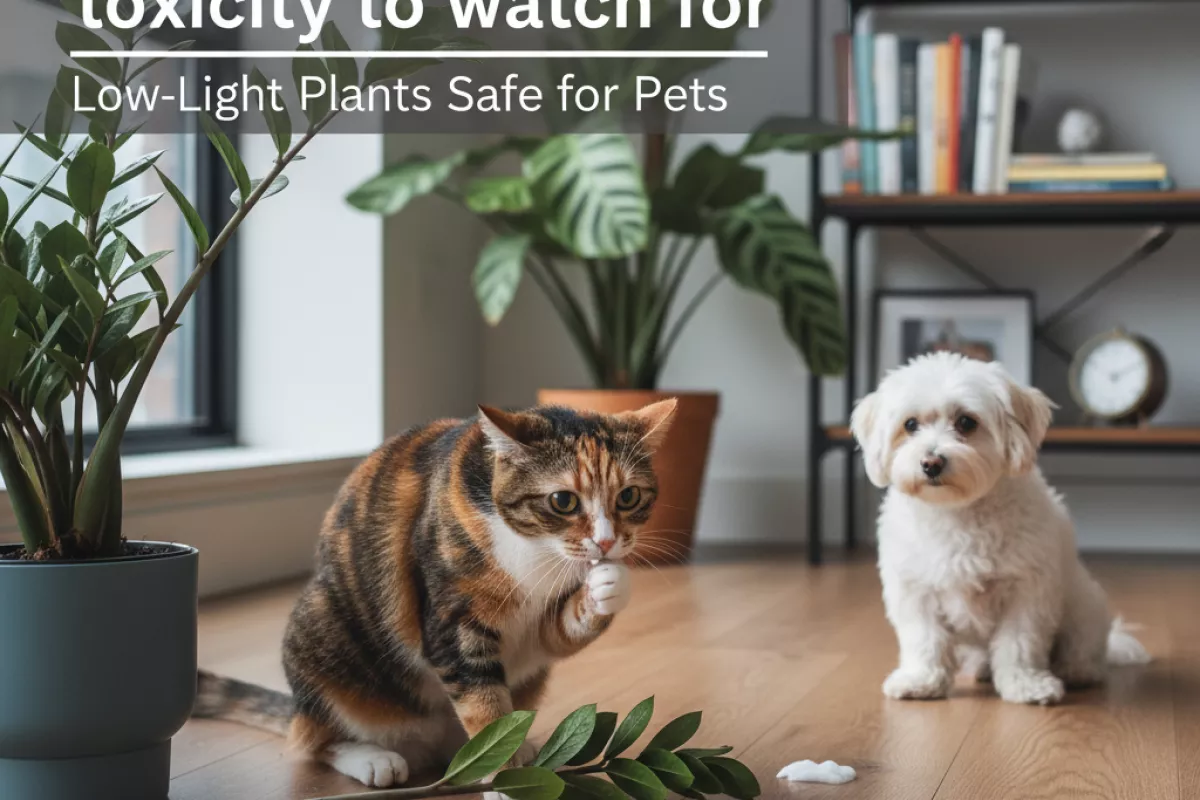
Even “safe” low-light houseplants can cause trouble if a pet chews a lot of leaves or has a sensitive stomach. Reactions also vary by species, size, and how much was eaten, so it helps to watch for changes that show up soon after nibbling.
- Mouth and throat irritation: drooling, pawing at the mouth, lip smacking, vocalizing, or reluctance to eat because swallowing seems uncomfortable.
- Upset stomach: vomiting, diarrhea, gagging, or repeated swallowing. You may also notice a sudden loss of appetite.
- Behavior changes: hiding, restlessness, unusual clinginess, or seeming “off” compared with normal.
- Low energy: lethargy, weakness, or less interest in play or walks.
- Breathing issues: coughing, wheezing, or labored breathing (more likely if there’s significant swelling or if plant sap was inhaled while chewing).
- Neurologic signs: tremors, wobbliness, disorientation, or seizures. These are uncommon with many popular low-light options, but they’re urgent if they appear.
- Skin and eye reactions: redness, itching, hives, or watery eyes after contact with sap or plant juice (some pets rub their face on leaves).
- Dehydration clues: dry gums, sunken-looking eyes, or reduced urination after ongoing vomiting/diarrhea.
| What you notice | What it can suggest / what to do next |
|---|---|
| Drooling, pawing at mouth, mild gagging | Often irritation from chewing. Remove plant bits, offer fresh water, and monitor closely for the next few hours. |
| One episode of vomiting or soft stool, otherwise acting normal | Can be mild GI upset. Withhold access to the plant and watch for repeat episodes or worsening signs. |
| Repeated vomiting/diarrhea, can’t keep water down | Higher risk of dehydration. Call your vet for guidance the same day. |
| Swelling of face/mouth, trouble breathing, collapse, tremors, seizures | Emergency. Seek urgent veterinary care immediately. |
If you catch your pet chewing, take the plant away and note what it was (name and a quick photo help). If symptoms start, write down when it happened and roughly how much was eaten. When in doubt, especially for cats, small dogs, seniors, or pets with existing kidney/GI issues, it’s safer to call a veterinarian sooner rather than later.
Safe care products for pet homes
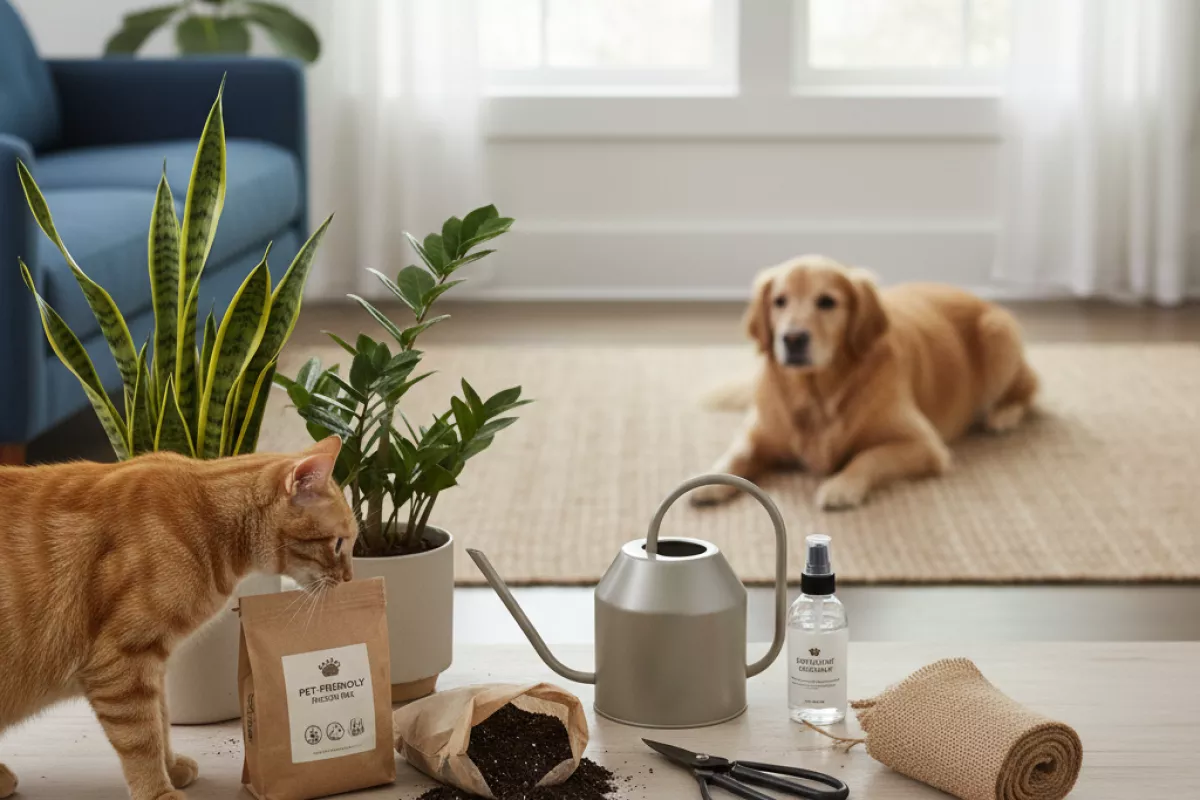
Choose plant-care supplies as if your cat or dog will eventually sniff, lick, or walk through them. The safest approach is to keep products simple, use the smallest effective dose, and favor physical barriers (like sticky traps or pruning) over chemical fixes whenever you can.
- Potting mix and amendments: Plain indoor potting soil is usually the lowest-risk option. Skip mixes with added pesticides or “moisture crystals” if your pet is a known chewer. If you add fertilizer, avoid strong-smelling options that can attract curious noses.
- Fertilizers: Use mild, balanced houseplant fertilizer and apply at reduced strength. For liquid feeds, mix carefully and store concentrates out of reach; spills are the bigger hazard than properly absorbed nutrients. If you use slow-release pellets, top-dress under a layer of soil so they’re harder to pick out.
- Leaf shine and polishing sprays: Avoid them. Many contain oils or solvents that can irritate mouths and stomachs if licked off foliage. For low-light plants, a damp cloth and plain water is usually enough to remove dust.
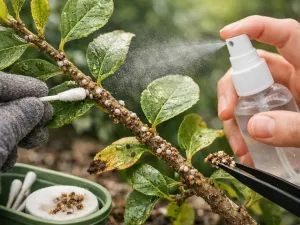
- Pest control: Start with non-chemical steps: isolate the plant, rinse leaves, and prune heavily infested growth. If you need treatment, insecticidal soap is generally preferable to broad-spectrum sprays, but it still shouldn’t be accessible to pets while wet. Let leaves dry fully before returning the plant to shared areas.
- Sticky traps: Yellow sticky cards can reduce flying insects without toxins, but place them where pets can’t touch the adhesive (inside the pot rim, behind foliage, or in a plant cabinet). Adhesive on fur can be a messy problem.
- Essential oils and “natural” repellents: “Natural” doesn’t mean pet-safe. Diffused oils, oil-based sprays, and heavily scented solutions can irritate airways and may be risky if licked. If you want a deterrent, use physical placement (higher shelves, plant stands) instead of scent-based products.
- Cleaning products for plant areas: For trays, shelves, and windowsills, mild dish soap and water works well. Rinse thoroughly so residue doesn’t end up on paws. Avoid strong disinfectants where pets regularly sit or groom.
| Care need | Lower-risk option | Use with extra caution |
|---|---|---|
| Routine feeding | Diluted liquid houseplant fertilizer; wipe drips from pots | Strong concentrates; slow-release pellets left on the surface |
| Dusty leaves | Damp cloth with water; gentle shower rinse | Leaf-shine sprays and oily polishes |
| Fungus gnats | Let top 2–3 cm (0.8–1.2 in) of soil dry; sticky traps placed out of reach | Soil drenches and aerosol insecticides in shared rooms |
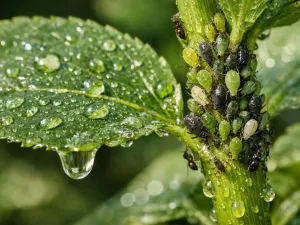
| Soft-bodied pests (aphids, mites) | Rinse/prune; insecticidal soap used sparingly and allowed to dry | Broad-spectrum sprays; frequent re-application without ventilation |
Even with gentler products, timing and placement matter. Apply treatments when pets are out of the room, ventilate well, and don’t let animals access damp leaves or runoff. If your pet is a persistent nibbler, consider adding a pebble top-dressing or a breathable plant cover to reduce digging and contact with soil additives.
Tips for creating a pet-friendly plant setup
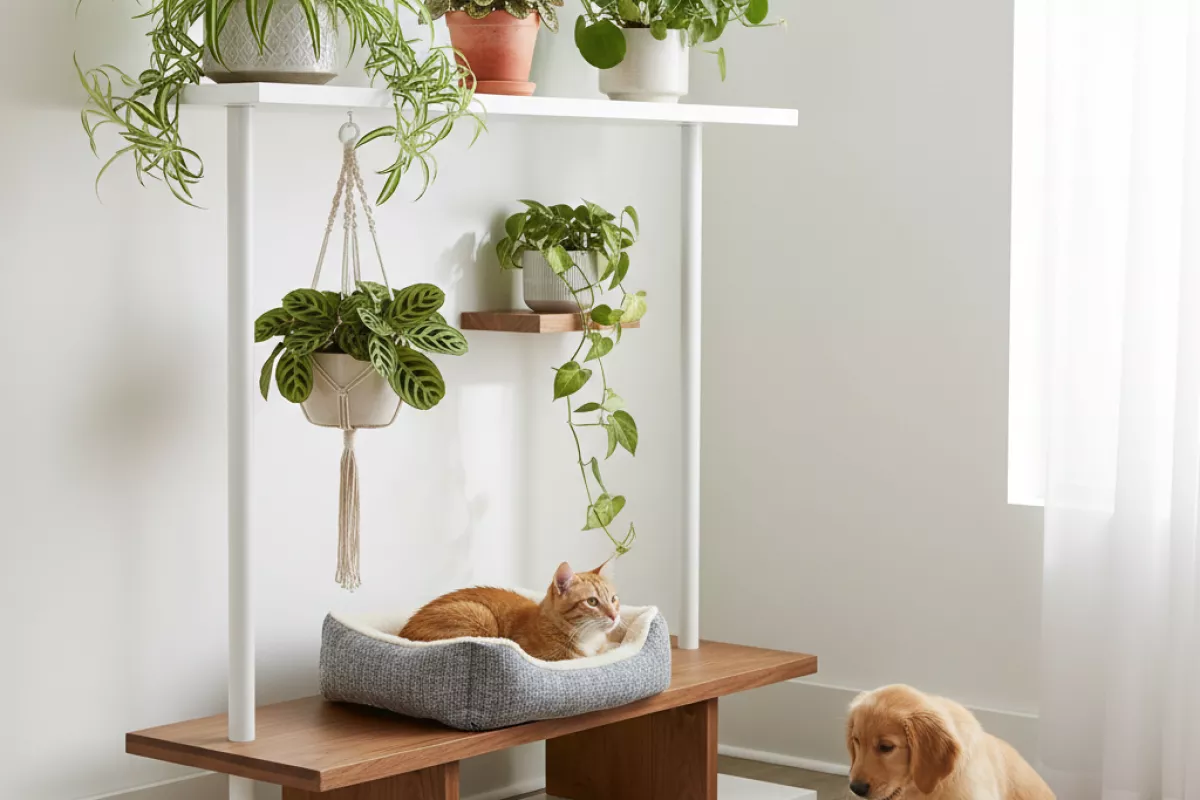
Start with placement, not plant shopping. Even low-light, non-toxic houseplants can become a chewing target if they’re easy to reach, especially for curious cats and puppies. Set up your indoor greenery so it’s visible and enjoyable for you, but inconvenient for paws and mouths.
- Use height to your advantage. Put pots on tall shelves, wall-mounted ledges, or sturdy plant stands so leaves aren’t at nose level. If you’re using a stand, pick one with a wide base to reduce tipping.
- Choose heavier containers or add ballast. A ceramic pot is harder to knock over than a lightweight plastic nursery pot. If needed, place a layer of stones in the bottom (kept below the soil line) to lower the center of gravity.
- Skip tempting top-dressings. Some pets treat moss, bark chips, or loose pebbles like toys or snacks. A plain soil surface (or a tightly fitted mesh cover under the rim) is usually less interesting.
- Keep soil and water out of reach. Standing water in saucers can attract pets. Empty drainage trays after watering, or use self-watering setups with covered reservoirs. When you do water, aim for thorough soak-and-drain rather than frequent small sips.
- Prevent leaf “danglers.” Trailing plants can be safe yet still irresistible if vines hang down like strings. Train stems upward with clips, or place trailing varieties in hanging planters so the foliage stays above reach.
- Create a pet-approved alternative. Offer something your pet is allowed to nibble (like cat grass) in a separate spot. This can reduce attention on your low-light collection without turning plant care into a constant “no.”
- Quarantine new plants briefly. Before adding a new pot to your main setup, keep it separate for 7 days (1 week) to watch for pests and to make sure any fertilizers or leaf-shine residues are gone.
- Be cautious with fertilizers and sprays. Even when the plant itself is non-toxic, products may not be. Apply treatments when pets are out of the room, let foliage dry fully, and store concentrates in closed cabinets.
- Plan for the “knock-over scenario.” Keep a small cleanup kit nearby (dustpan, paper towels, spare soil). If a pot spills, remove the plant, pick up soil quickly, and rinse the area so pets don’t lick residue.
| Common setup issue | Pet-friendly fix |
|---|---|
| Cat jumps onto the shelf and bats at leaves | Move plants to a higher, narrower ledge or use a hanging planter; leave the shelf clear as a “landing zone.” |
| Dog digs in pots | Use a heavier pot, cover soil with a fitted mesh barrier under the rim, and place the plant behind a low gate. |
| Pet drinks from the saucer | Switch to a covered reservoir pot or empty saucers after watering; offer fresh water nearby to redirect. |
| Trailing stems get chewed | Train vines upward with clips or place the plant in a hanging basket so foliage stays out of reach. |
If your pet does mouth a plant, remove any plant bits you can see and offer water. Watch for drooling, vomiting, or lethargy, and contact your veterinarian if symptoms show up or you’re unsure what was eaten. Keeping labels (or a note with the plant name) makes those calls much easier.