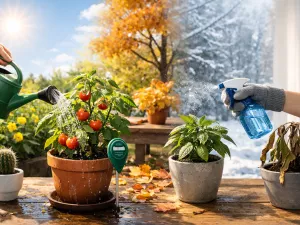
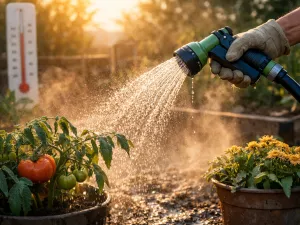
Summer Watering to Prevent Moisture Loss

 Here we why plants and soil dry out faster in summer heat, how high temperatures speed up evaporation, and the best times to water to reduce loss. It also explains how to keep soil moist longer, adjust watering in hot weather, spot early dehydration signs, and avoid common summer watering mistakes.
- Why plants lose moisture faster in summer heat
- How high temperatures increase evaporation from soil
- Best watering times to reduce water loss
- Techniques to retain moisture in soil during summer
- Adjusting watering frequency in hot weather conditions
- Signs plants are losing moisture too quickly
- Common mistakes that lead to dehydration in summer
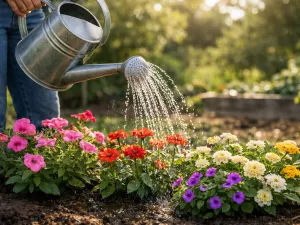
In hot weather, careful summer watering helps plants keep moisture instead of losing it too quickly to heat and wind. A steady routine, timed to the coolest part of the day and adjusted for soil and plant type, keeps roots cooler and reduces stress before leaves wilt. Water deeply rather than lightly so roots grow stronger, and use mulch to slow evaporation. Small changes in when and how you water can make a clear difference during dry spells.
Why plants lose moisture faster in summer heat

Summer places plants under a very different kind of stress than mild spring weather. Even well-watered beds can dry rapidly because leaves, stems, and soil all lose moisture faster when air temperatures rise. The plant is not only dealing with heat from above, but also warm soil around the roots and longer daylight hours that keep it active for more of the day.
Plants naturally release water through tiny pores in their leaves, a process called transpiration. This helps cool the plant and move nutrients upward from the roots. In hot weather, that system speeds up. If roots cannot replace lost moisture quickly enough, leaves begin to droop, growth slows, and flowers or fruit may be shed to conserve resources.
Heat, light, and wind work together
Moisture loss is rarely caused by temperature alone. Strong sun, reflected heat from walls or paving, and dry wind can combine to pull water out of both plants and soil at a surprising rate. A container on a patio may dry out in one day, while the same plant in open ground stays evenly moist much longer.
- High light levels increase leaf temperature and push plants to transpire more.
- Warm air can hold more water vapor, so it draws moisture away faster.
- Wind strips away the humid layer around leaves, increasing water loss.
- Hot surfaces such as stone, brick, or decking can raise nearby temperatures several degrees.
Some plants are affected sooner than others
Shallow-rooted plants, newly planted specimens, vegetables, and flowering annuals often show stress first. Their roots occupy a smaller zone of soil, so they depend on more frequent replenishment. Established shrubs and deep-rooted perennials usually cope better, but even they can struggle during prolonged heat above 30°C (86°F), especially if rainfall has been low.
Leaf size also matters. Large, soft leaves tend to lose water faster than small, leathery, or silver-coated foliage. That is why hydrangeas wilt quickly in summer afternoons while rosemary may still look firm in the same garden.
Editor’s note: Temporary afternoon wilting does not always mean a plant needs immediate water. If it perks up again by evening, the roots may still have enough moisture. Check the soil 5-8 cm (2-3 in) down before reaching for the hose.
How high temperatures increase evaporation from soil

Soil loses water directly to the air through evaporation, and this process speeds up sharply in summer. The top layer is most vulnerable because it is exposed to sun, wind, and warm air. Once the surface dries, moisture from deeper down moves upward and is lost as well, especially in bare soil.
Dark soils and containers heat up quickly, which can make the root zone warmer than many gardeners realize. When the upper few centimeters become hot, water escapes before roots have a chance to use it. This is one reason frequent light sprinkling often fails in summer: it wets only the surface, where moisture disappears fastest.
Surface conditions make a big difference
The structure and covering of the soil influence how much water is retained. Loose, organic-rich soil holds moisture longer than compacted ground, while bare earth exposed to direct sun dries far faster than mulched beds. Pots are especially vulnerable because they are heated from the sides as well as the top.
| Condition | Effect on evaporation | What it means for watering |
|---|---|---|
| Bare soil in full sun | Very fast moisture loss from the surface | Needs deeper watering and mulch to slow drying |
| Mulched garden bed | Reduced heat at the surface and slower evaporation | Water lasts longer between soakings |
| Clay soil | Surface may crust, but deeper layers can hold water well | Water slowly so it penetrates instead of running off |
| Sandy soil | Drains quickly and dries rapidly in heat | Needs more frequent watering with added organic matter |
| Containers and raised beds | Warm quickly and lose moisture from multiple sides | Monitor daily during spells above 27°C (81°F) |
Why shallow watering is inefficient
A brief spray may make the surface look damp, but it often penetrates less than 2.5 cm (1 in). In hot weather, that moisture can be gone within hours. Deeper watering encourages roots to grow downward where soil stays cooler and more stable. This creates plants that are more resilient during heatwaves and less dependent on constant attention.
If water runs off dry ground, apply it in stages. Wet the area lightly first, wait a few minutes, then water again so the soil can absorb more deeply rather than shedding it.
Best watering times to reduce water loss

Timing has a major effect on how much of your water actually reaches the roots. In summer, the most efficient period is usually early morning, before the day heats up and before strong sun strikes the soil. At that point, evaporation is lower, leaves dry quickly after watering, and plants begin the day with a full supply of moisture.
Late evening can also work, especially during very hot spells, but it is usually a second choice. Water left sitting on foliage overnight may encourage fungal problems in crowded beds, and cool damp conditions around the crown can be risky for some plants.
Why morning watering is usually best
Early watering gives roots time to absorb moisture before midday stress begins. The soil is cooler, wind is often lighter, and less water is lost to immediate evaporation. For vegetables, roses, and bedding plants, this timing often leads to better turgor and less wilting through the afternoon.
- Ideal window: Around sunrise until roughly 9:00 a.m., depending on local heat and sun exposure.
- For containers: Check again in late afternoon during periods above 32°C (90°F), as pots may still dry out quickly.
- For lawns: Watering before 8:00 a.m. reduces waste and lowers disease risk compared with evening irrigation.
When evening watering makes sense
If morning watering is not possible, late evening or early dusk is better than midday. This is especially true for large borders, newly planted trees, or gardens in regions with intense afternoon heat. The key is to water the soil rather than soaking leaves, and to avoid leaving plants damp in still, humid air all night.
Practical tip: If you use an automatic system, run it long enough to moisten the root zone, not just the top crust. A short cycle every day often wastes more water than a deeper soak every few days.
Times to avoid
Midday watering is not useless, but it is less efficient. In emergencies, a thirsty plant should still be watered, regardless of the hour. However, as a routine practice, watering in full sun means more evaporation, more stress on hot roots, and less consistent soil moisture.
- Use early morning as your default schedule.
- Switch to evening only when heat or practical constraints require it.
- Reserve midday watering for urgent wilt or newly planted specimens that cannot wait.
Techniques to retain moisture in soil during summer

Keeping water in the soil is often more important than simply adding more of it. Good summer care focuses on slowing evaporation, improving soil structure, and directing moisture where roots can use it. This approach reduces stress on plants and cuts down on waste, especially during dry periods or water restrictions.
The most effective gardens usually combine several methods rather than relying on one. Mulch, better soil, targeted irrigation, and sensible planting all work together to keep the root zone cooler and more evenly moist.
Mulch is the first line of defense
A mulch layer shields the soil from direct sun and reduces temperature swings. Organic materials such as compost, bark, leaf mold, or straw are especially useful because they also improve soil as they break down. Spread mulch to a depth of 5-8 cm (2-3 in), but keep it a few centimeters away from stems and trunks to prevent rot.
- Compost: Good for vegetable beds and mixed borders where soil improvement is a priority.
- Shredded bark: Longer-lasting and useful around shrubs and perennials.
- Straw: Helpful around strawberries, tomatoes, and other crops that benefit from cleaner fruit and cooler roots.
- Leaf mold: Excellent moisture retention for woodland plants and humus-loving species.
Improve the soil before heat peaks
Soil rich in organic matter acts like a reservoir. Sandy ground benefits because it holds water longer, while heavy clay becomes easier for roots to penetrate and less likely to crack on the surface. Adding compost or well-rotted manure in spring and autumn builds long-term drought resistance that summer watering alone cannot achieve.
If you garden in containers, choose a potting mix that includes moisture-retentive ingredients rather than cheap, fast-drying material. Mixing in water-holding granules can help for baskets and patio pots, but they should support, not replace, correct watering habits.
Deliver water where roots need it
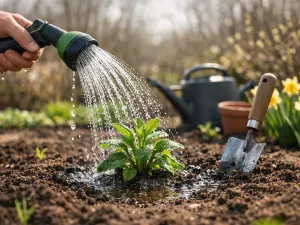
Drip lines, seep hoses, and slow hand watering are far more effective than overhead spraying in hot weather. They place moisture into the root zone with less waste and less wet foliage. For trees and shrubs, watering slowly around the drip line often works better than pouring everything at the base of the trunk.
For containers, water until you see excess draining from the bottom, then let the pot drain fully. Empty saucers after about 30 minutes unless you are managing a particularly thirsty bog-loving plant.
Editor’s note: Grouping pots together can create a slightly more humid microclimate and reduce drying from wind. It also makes daily checking quicker, which matters during a heatwave.
Adjusting watering frequency in hot weather conditions

There is no perfect fixed schedule for summer watering. Frequency should change with temperature, wind, plant type, soil, and whether the plant is in the ground or in a pot. A bed that needs water every four days in mild weather may need attention every one to two days during a hot, dry spell.
The goal is not to keep soil constantly wet. Instead, aim for even moisture at root level while allowing enough air in the soil for healthy root function. Overwatering in heat can be just as damaging as underwatering because stressed roots need oxygen as well as moisture.
What should be checked before watering again
Rather than following the calendar alone, inspect the soil and the plant. Push a finger 5-8 cm (2-3 in) into the ground, or use a trowel to look slightly deeper around established plants. In containers, lift the pot if possible; a very light pot often indicates the compost has dried substantially.
- Newly planted shrubs and trees: Need consistent moisture until roots spread into surrounding soil.
- Vegetables and fruiting plants: Often need more regular watering because uneven moisture affects yield and quality.
- Mature drought-tolerant plants: Usually prefer deeper, less frequent watering once established.
- Hanging baskets and small pots: May need watering once or even twice daily during periods above 35°C (95°F).
How conditions change the schedule
Hot weather alone does not tell the whole story. A breezy day at 28°C (82°F) can dry plants faster than a still day at 31°C (88°F). Rainfall also needs interpretation: 3 mm (0.12 in) of light rain may barely wet the mulch, while 20 mm (0.8 in) can recharge the root zone in open ground.
Raised beds usually dry sooner than level ground, and south-facing walls create hotter pockets than open borders. Watch these microclimates closely and adjust separately instead of treating the whole garden the same way.
A practical way to increase or reduce frequency
Make changes gradually and observe the result over several days. If plants wilt by late morning and the soil is dry below the surface, increase frequency or water more deeply. If leaves yellow, growth softens, and the soil stays soggy, reduce watering and improve drainage or timing.
- Check soil moisture first, not just leaf appearance.
- Water deeply enough to reach active roots.
- Review the result after 24 hours in containers and after 48 hours in garden beds.
- Adjust for forecast heat, wind, and plant stage rather than repeating the same routine.
Signs plants are losing moisture too quickly

Plants often show early warning signs before serious dehydration sets in. Learning to read those signals helps you act before growth is damaged. Some symptoms are obvious, such as wilting, while others are more subtle and can be mistaken for nutrient deficiency or sun scorch.
Moisture stress usually appears first in the newest growth, the largest leaves, or the most exposed plants. Containers, hanging baskets, and recently planted specimens should be checked first during hot spells because they can move from slight stress to severe wilt in a short time.
Visible changes in leaves and stems
When water loss outpaces uptake, the plant loses internal pressure. Leaves may droop, curl inward, or feel thinner than normal. Flowers can fade quickly, buds may fail to open, and soft stems can bend even when there is no pest damage.
- Wilting in the morning: A stronger warning sign than late afternoon droop, because the plant has not recovered overnight.
- Crisp leaf edges: Often indicates repeated drying, especially in hydrangeas, hostas, and many annuals.
- Yellowing lower leaves: Can occur when the plant sheds older foliage to conserve water.
- Blossom drop: Common in tomatoes, beans, and peppers under heat and uneven moisture.
- Slow growth: A sign that the plant is conserving resources rather than actively developing.
Clues from the soil and root zone
The plant itself is only part of the picture. Soil that pulls away from the sides of a pot, forms a hard crust, or becomes dusty just below the mulch is a clear sign that moisture is disappearing too fast. In beds, cracking clay and dry pockets around root balls often show that water is not penetrating evenly.
If water runs straight through a container without wetting the compost, the root ball may have become hydrophobic from repeated drying. In that case, soak the pot thoroughly until the growing medium is rehydrated all the way through.
How to tell stress from other problems
Not every wilt is caused by thirst. Root rot, stem damage, and some pest infestations can produce similar symptoms. The difference is usually in the soil condition and recovery pattern. A thirsty plant often improves within a few hours of proper watering, while a diseased root system may remain limp despite wet soil.
If symptoms persist after moisture has been corrected, inspect for compacted roots, poor drainage, or feeding issues rather than simply adding more water.
Common mistakes that lead to dehydration in summer
Many summer watering problems are caused less by neglect than by inefficient habits. Plants can still dry out when they are watered often if the method, timing, or soil condition is wrong. Avoiding a few common mistakes usually improves plant performance more than simply increasing the amount of water used.
The biggest issue is inconsistency. A cycle of letting plants dry hard, then flooding them, puts roots under repeated stress. This is especially damaging for vegetables, flowering containers, and anything recently planted.
Watering mistakes that waste moisture
Some routines feel helpful but do little for the root zone. Light daily sprinkling is a classic example. It encourages shallow roots, cools the surface only briefly, and leaves deeper soil dry. Another common problem is watering too quickly, which causes runoff on compacted or baked ground.
- Shallow watering: Moistens only the top layer and trains roots to stay near the surface.
- Ignoring mulch: Leaves soil exposed to direct sun and rapid evaporation.
- Watering by the clock alone: Misses changes caused by wind, cloud cover, or recent rain.
- Using overhead spray in strong sun: Increases waste and may miss the root area entirely.
- Letting pots dry completely: Makes compost shrink and repel water on the next watering.
Plant care choices that increase summer stress
Watering is only part of moisture management. Heavy feeding during extreme heat can push soft growth that wilts quickly. Hard pruning in midsummer may expose shaded stems and roots to stronger sun. Crowded roots in undersized containers also dry out much faster than healthy, well-potted plants.
It is also easy to overlook competition. Trees, hedges, and large shrubs can draw significant moisture from nearby beds, leaving smaller plants thirsty even when the surface appears damp. In these spots, deep targeted watering is more useful than broad surface wetting.
How to avoid dehydration without overcorrecting
The best response is a balanced one: improve retention, water deeply, and monitor conditions rather than reacting to every slight wilt. Keep records if needed, especially for containers and food crops, so you can spot patterns during recurring hot weather.
- Check moisture below the surface before watering.
- Use mulch to slow loss and cool the root zone.
- Match the watering method to the plant, with slower delivery for deeper roots.
- Reduce stress from unnecessary feeding or pruning during peak heat.
- Review problem areas such as patios, raised beds, and spots near walls or hedges.
With these adjustments, summer watering becomes more precise and far less wasteful. Plants stay steadier, soil remains usable for longer, and you spend less time rescuing preventable dehydration.