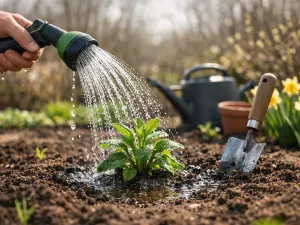
Watering Plants During Active Flowering Stages

 Here we how plant watering changes in the bloom phase: why flowers raise water demand, when to water active bloomers, and how to keep moisture balanced without stressing roots. It also explains temperature effects, visual signs plants need more water, and common flowering-stage mistakes to avoid.
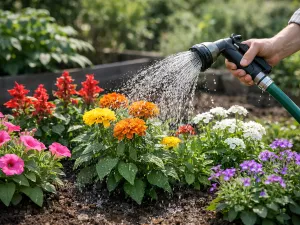
Getting moisture right during bloom can mean the difference between flowers that last and buds that fall early. At this stage, plants usually need more consistent watering, yet overly wet soil can be just as damaging as drought. Paying attention to when to water, how much to give, and how quickly the soil dries helps support strong blooms, healthy roots, and steady growth while reducing the risk of stress, rot, and weak or spindly development.
What changes when plants enter bloom phase

When a plant shifts from vegetative growth into flowering, its priorities change. Instead of putting most of its energy into leaves, stems, and root expansion, it begins directing water, sugars, and minerals toward bud and flower production. That change affects how quickly the root zone dries, how sensitive the plant becomes to stress, and how carefully watering needs to be managed.
Flowering plants often look fuller and more demanding because they are supporting more tissue at once. Blooms, developing seed structures, and the surrounding foliage all need a steady supply of moisture. At the same time, many species become less forgiving of irregular care during this stage. A dry spell that might have caused only minor wilting earlier can now lead to bud drop, smaller flowers, or shortened bloom life.
Why bloom stage changes water behavior
Roots do not suddenly work differently, but the plant above the soil starts using water in a new pattern. Blossoms increase transpiration, and active nutrient movement becomes more important because flowering depends on a reliable flow of moisture through the plant’s vascular system.
- Higher metabolic demand: Flower formation requires more internal transport of water and dissolved nutrients.
- Greater leaf area pressure: Many plants keep a large canopy while also supporting blooms, which increases moisture loss.
- Reduced margin for error: Inconsistent watering can interrupt flower development faster than it affects leafy growth.
- More sensitivity to root stress: Waterlogged or bone-dry soil can quickly show up as weak buds, faded petals, or stalled bloom production.
Other care factors become tied to watering
During flowering, water management cannot be separated from light, feeding, and airflow. Stronger light and warmer conditions push the plant to drink more. Bloom-focused feeding also depends on moisture being even enough for roots to absorb nutrients without burn. If the soil swings from saturated to dusty dry, fertilizer salts can build up and stress the plant.
Pruning also matters here. Heavy pruning during active bloom can reduce water demand temporarily, but it can also shock the plant and interrupt flower production. Light deadheading or removal of damaged blooms is usually safer than major cutting once flowering is underway.
Editor’s note: If a plant has just entered bloom, avoid changing every care variable at once. Adjust watering first, then evaluate feeding and light over the next 7 to 10 days.
How water demand increases during flowering

Most flowering plants use more water because they are doing more work. Buds are not passive structures; they are actively built from water, carbohydrates, and minerals pulled upward from the root zone. As flowers open and mature, the plant often dries the pot or bed faster than it did a few weeks earlier.
The increase is not always dramatic, but it is usually noticeable. Container plants may need watering a day sooner than before, while garden plants may need deeper soaking when weather is warm and dry. The exact rise in demand depends on species, pot size, soil type, root mass, and bloom load.
What drives the increase
Several factors combine to make bloomers thirstier. Understanding them helps you respond with better timing instead of simply adding more water at random.
- More transpiration: Flowers and foliage release moisture, especially in bright sun or moving air.
- Faster nutrient uptake: Active flowering depends on dissolved nutrients moving with water through the roots.
- Larger root occupancy: By bloom time, many plants have filled much of the container or bed space with roots, leaving less unused soil to hold moisture.
- Longer daylight exposure: Seasonal flowering often coincides with stronger light and higher temperatures, which increase evaporation.
Container plants versus garden beds
Plants in pots usually show the increase first. A 25 cm (10 in) container can dry much faster than a planted border because it has less soil volume and more exposed surface area. Hanging baskets are especially vulnerable, as airflow reaches them from all sides. In-ground plants have a larger moisture reserve, but once they are heavily blooming, shallow watering may no longer be enough.
For beds and borders, the goal is to wet the soil deeply enough that roots are encouraged downward. For containers, the goal is complete but controlled saturation, allowing excess water to drain freely instead of pooling around roots.
| Growing situation | Typical flowering-stage water pattern | What to watch closely |
|---|---|---|
| Small pots | Dry out quickly, sometimes within 24 hours in hot weather | Wilting by afternoon, light pot weight, dry top 2.5 cm (1 in) |
| Large containers | Hold moisture longer but can become unevenly wet | Dry edges with damp center, slow drainage, root crowding |
| Raised beds | Moderate drying, faster than ground soil in wind and sun | Surface crusting, shallow root stress, patchy moisture |
| In-ground borders | Need deeper, less frequent watering when established | Dry soil below mulch, reduced bloom size, lower leaf wilt |
Best watering timing for active bloomers

Timing matters almost as much as volume. The best watering window for most flowering plants is early in the day, when temperatures are rising but not yet intense. This gives roots time to absorb moisture before midday stress and allows leaves or petals splashed during watering to dry more quickly.
Morning watering also helps the plant enter the hottest part of the day with a full internal water supply. That reduces wilting pressure and supports better flower quality. Evening watering can work when mornings are not possible, but it should be done carefully to avoid leaving foliage and blooms damp overnight in still air.
Why morning is usually best
Plants naturally begin active water movement as light increases. Watering around that time aligns with the plant’s daily rhythm and reduces waste from evaporation.
- Check soil first, rather than watering by habit.
- Water slowly until the root zone is evenly moist.
- Pause if needed so dry potting mix can absorb properly.
- Let excess water drain completely from containers.
- Recheck by late afternoon during heat waves to see whether a second light intervention is truly needed.
When a second watering may be necessary
Some plants in full bloom, especially those in small containers or hanging baskets, may need extra attention during very hot spells above 30°C (86°F). That does not automatically mean a full second soaking. Sometimes a plant wilts in heat even when the root zone is still moist, and adding more water can make matters worse.
Before watering again, feel the soil below the surface. If the top 2.5 to 5 cm (1 to 2 in) is dry and the container feels noticeably lighter, a second watering may be justified. If the soil is still cool and damp lower down, wait until temperatures drop and reassess.
Practical tip: If you rely on drip irrigation, run it early enough that the soil is moist before strong midday sun arrives. A late-morning cycle often loses more water to heat and does less for the plant.
Balancing moisture without stressing roots

Flowering plants need consistency, not constant saturation. The healthiest root systems move through a cycle of moisture and air: water fills the soil spaces, then some of that water drains away and oxygen returns. If the root zone stays soggy, roots struggle to breathe. If it becomes too dry, fine feeder roots die back and flower production suffers.
The challenge is finding the middle ground where the soil remains evenly moist but never stagnant. This balance depends heavily on the growing medium. A peat-heavy mix, a bark-based container blend, sandy garden soil, and clay soil all release water at different rates.
How to judge moisture properly
Surface appearance alone is not enough. The top layer may look dry while the lower root zone is still wet, especially in large pots. On the other hand, mulch or dense foliage can hide a root zone that is drying too fast underneath.
- Finger test: Insert a finger 2.5 to 5 cm (1 to 2 in) into the soil to check below the surface.
- Pot weight: Lift containers after watering and again when they are nearing dryness to learn the difference.
- Drainage check: Water should move through the pot within a reasonable time, not sit on top for several minutes.
- Root-zone observation: If leaves wilt while soil stays wet, suspect poor aeration rather than thirst.
Soil and container factors that affect balance
Roots are easiest to manage when the container has enough drainage holes and the medium holds moisture without compacting. A root-bound plant may need more frequent watering, but severe crowding can also cause water to run down the sides and leave the center dry. In beds, compacted soil can create the opposite problem, where water lingers too long around roots after irrigation.
Mulch helps maintain steadier moisture in outdoor plantings by slowing evaporation and moderating surface temperature. A layer around 5 to 7.5 cm (2 to 3 in) deep is often enough, as long as it is kept slightly away from stems and crowns.
Feeding should also match moisture conditions. Applying bloom fertilizer to very dry soil can burn roots, while feeding repeatedly into already saturated soil can encourage weak uptake and salt accumulation. Water first if the root zone is dry, then feed according to label strength.
How temperature affects bloom watering

Temperature changes how quickly soil dries, how fast a plant transpires, and how much stress flowers experience. A blooming plant at 18°C (64°F) behaves very differently from the same plant at 32°C (90°F), even under similar light. Heat speeds water loss from both leaves and soil, while cool conditions slow uptake and increase the risk of overwatering if you keep using a summer routine.
This is why fixed schedules often fail during flowering. A plant may need deep watering every few days in mild weather, then daily checks during a heat wave. If nights remain warm, the soil may not recover much moisture between daytime peaks, especially in containers.
Hot weather response
During high temperatures, flowers can fade faster and leaves may droop even when the roots still have some moisture. The key is to distinguish true dryness from temporary heat wilt. Watering heavily into already wet soil on a hot afternoon can suffocate roots and raise humidity around blooms, inviting disease.
- Increase monitoring, not guesswork: Check soil more often when temperatures rise above 28°C (82°F).
- Water deeply in the morning: This prepares the plant before heat stress peaks.
- Use shade strategically: Light afternoon shade can reduce water loss for sensitive bloomers.
- Protect containers: Dark pots in direct sun heat up quickly; moving them or shielding the sides can reduce root stress.
Cool or humid conditions
In cooler weather or periods of high humidity, flowering plants may use water more slowly. Soil that stayed ideal in warm conditions can remain wet for too long, especially if airflow is limited. This is a common cause of yellowing leaves, stalled buds, and root problems during rainy spells or in greenhouses with poor ventilation.
When temperatures drop below about 15°C (59°F) for warm-season bloomers, reduce watering frequency and let the upper layer dry slightly more between applications. Good airflow becomes especially important because damp petals and crowded foliage can encourage fungal issues.
Editor’s note: Heat stress and drought stress are not always the same thing. If a plant perks up in the evening without watering, it was likely reacting to temperature, not a dry root zone.
Visual cues plants need more water

Flowering plants usually signal thirst before serious damage occurs, but the signs can be subtle at first. Learning to read those early cues helps you water in time without overcompensating. The trick is to look at the whole plant, not just one symptom, because drooping can also result from heat, root rot, transplant stress, or nutrient imbalance.
Blooms often reveal moisture problems faster than leaves do. Petals may lose firmness, buds may stop swelling, and flowers can age prematurely when the plant is short on water. These changes are especially noticeable in annuals, roses, hydrangeas, petunias, and container-grown vegetables with blossoms.
Early signs of thirst
These signals usually appear before severe wilting sets in. They are your best chance to correct the issue without interrupting bloom quality.
- Slight afternoon droop that persists: If the plant remains limp after temperatures ease, check soil moisture.
- Duller leaf color: Foliage may look less glossy or slightly gray-green.
- Soft flower stems: Blooms may tilt or lose firmness sooner than usual.
- Dry topsoil plus light container weight: Together, these are more reliable than appearance alone.
Signs the plant has been too dry for too long
Once dehydration becomes more serious, flowering performance usually declines. At that point, simply watering may not reverse every symptom immediately, because buds and petals are delicate tissues.
| Visual cue | What it often means | Best response |
|---|---|---|
| Buds dropping before opening | Moisture stress interrupted development | Restore even watering and avoid future dry swings |
| Flowers fading quickly | Plant cannot support bloom longevity | Water thoroughly and reduce heat stress if possible |
| Crisp leaf edges or browned petal margins | Repeated drying or hot, dry wind exposure | Deeply water and improve moisture retention |
| Whole plant limp with dry soil | Immediate watering needed | Rehydrate slowly until the root ball is evenly moist |
After a severe dry-out, do not flood the plant all at once if the potting mix has become hard and shrunken. Water in stages so the root ball can absorb moisture instead of letting it run straight through.
Mistakes to avoid during flowering stage
Many bloom-stage problems come from good intentions applied at the wrong time. Gardeners often react to drooping flowers by watering more, feeding more, or pruning more, when the real issue is inconsistency. Flowering is a high-demand stage, but it is also a stage where overcorrection can do as much harm as neglect.
The most common mistakes involve poor timing, shallow watering, and ignoring drainage. Once roots are stressed, flowers are usually the first part of the plant to show it. Preventing trouble is easier than restoring peak bloom after the plant has been pushed too far.
Common watering errors
These mistakes are especially frequent in containers, hanging baskets, and densely planted summer displays.
- Watering on a fixed schedule only: Weather, root growth, and bloom load change too quickly for a rigid routine.
- Giving small daily splashes: This wets the surface but may leave deeper roots dry and encourages shallow rooting.
- Letting pots stand in water: Saucers full of water can keep roots saturated and reduce oxygen.
- Soaking late at night repeatedly: In humid conditions, this can increase disease pressure on blooms and foliage.
- Ignoring runoff behavior: If water rushes through immediately, the root ball may be compacted or hydrophobic rather than fully watered.
Related care mistakes that affect watering success
Watering does not happen in isolation. Several other practices can make moisture management harder during flowering.
- Overfeeding during bloom: Excess fertilizer can draw moisture away from roots and damage delicate root tips, especially in dry soil.
- Heavy pruning mid-bloom: Large cuts can shock the plant and disrupt the balance between roots and top growth.
- Keeping plants overcrowded: Dense canopies reduce airflow, slow drying of foliage, and make it harder to judge root-zone conditions.
- Using the wrong pot size: Very small containers dry too fast, while oversized pots can stay wet too long around a modest root system.
If a flowering plant is underperforming, review the pattern of care over the last two weeks rather than focusing on a single watering event. Repeated small stresses often explain poor blooming better than one missed day.
Practical recommendation: Keep a simple note of when you watered, how the soil felt, and what the weather was like. After one flowering cycle, patterns become much easier to spot and correct.
Steady moisture, good drainage, appropriate feeding, and careful observation are what carry plants through active bloom. When those pieces work together, flowers last longer, buds open more reliably, and the plant finishes the season with less stress.