Acanthus — Architectural Perennial That Thrives With Minimal Care

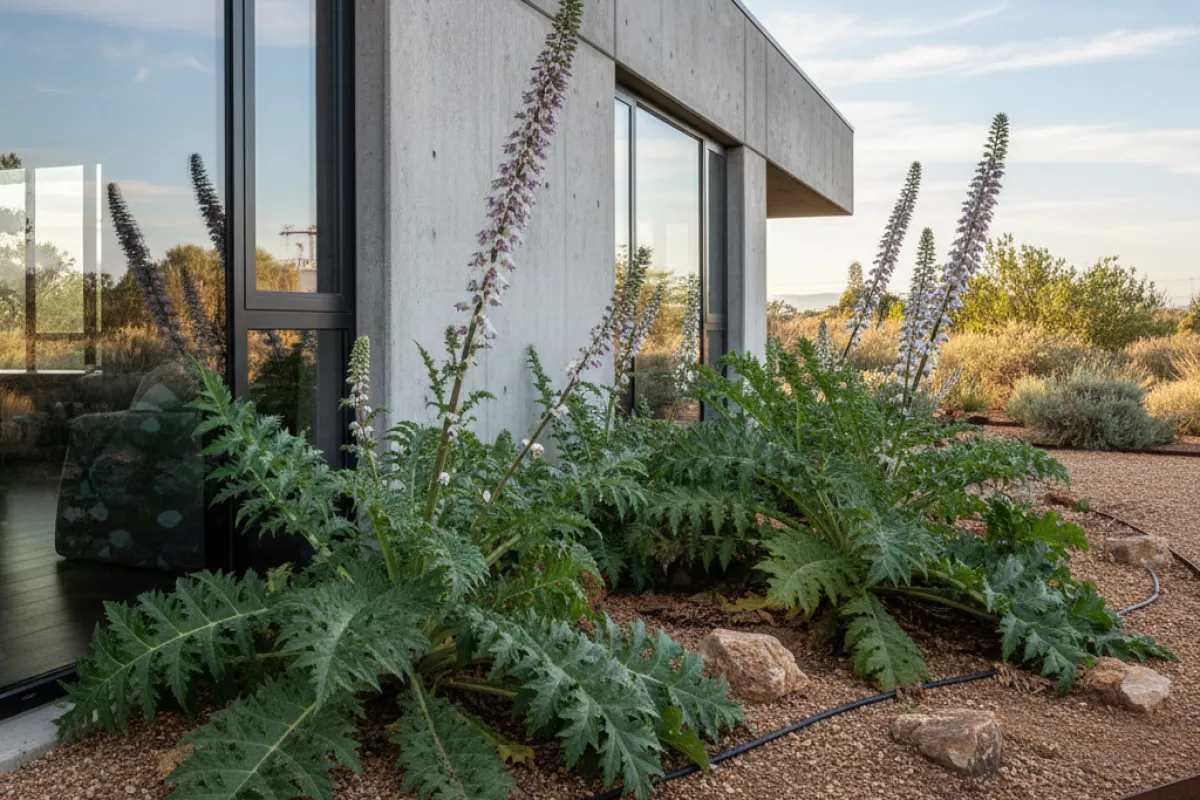 Acanthus is an ornamental plant with bold, sculptural leaves and upright flowering spikes, native to the Mediterranean. This covers light needs for strong structure, soil and watering basics, climate tolerance, low-care upkeep, propagation by division or seed, seasonal growth and bloom timing, plus common pests and problems.
- Acanthus overview and ornamental value
- Native Mediterranean habitat origins
- Bold leaf shape and upright flowering spikes
- Light requirements for Acanthus structural growth
- Soil conditions and Acanthus watering needs
- Climate tolerance and seasonal resilience
- Minimal care routine for mature plants
- Propagation through division or seed
- Seasonal growth stages and Acanthus flowering period
- Typical Acanthus problems and garden pests
Acanthus is a bold, sculptural perennial that looks intentional but needs little care. Its glossy, deeply cut leaves add strong architecture to borders and shady corners. Once established, it tolerates heat and brief dry spells. Plant it in well-drained soil, give it space to spread, and it will return year after year with reliable structure and minimal maintenance, even in mixed beds.
Acanthus overview and ornamental value
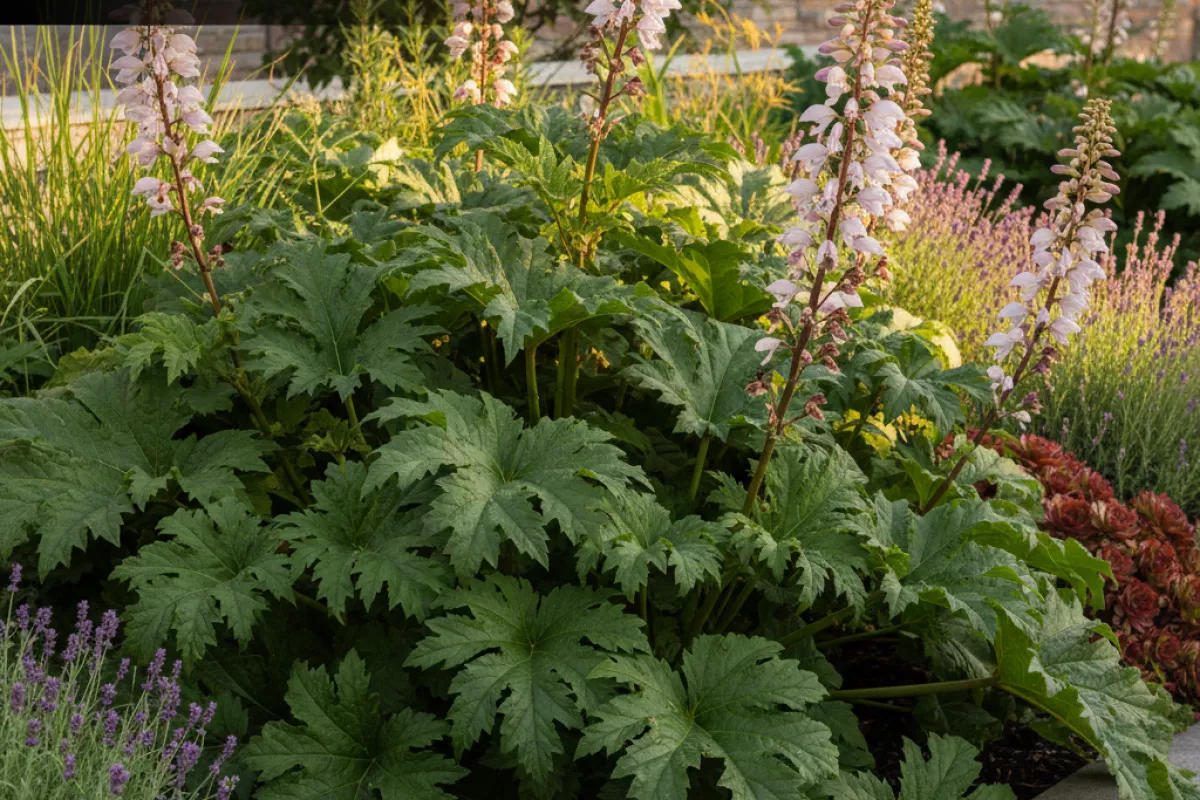
This bold-leaved perennial is best known for its sculptural presence: big, glossy, deeply lobed foliage that reads almost like carved stone in the border. Unlike many smaller border plants, acanthus is used as a structural anchor rather than filler. Most garden forms come from Acanthus mollis (bear’s breeches) and Acanthus spinosus, both grown as much for their architectural leaves as for their dramatic flower spikes.
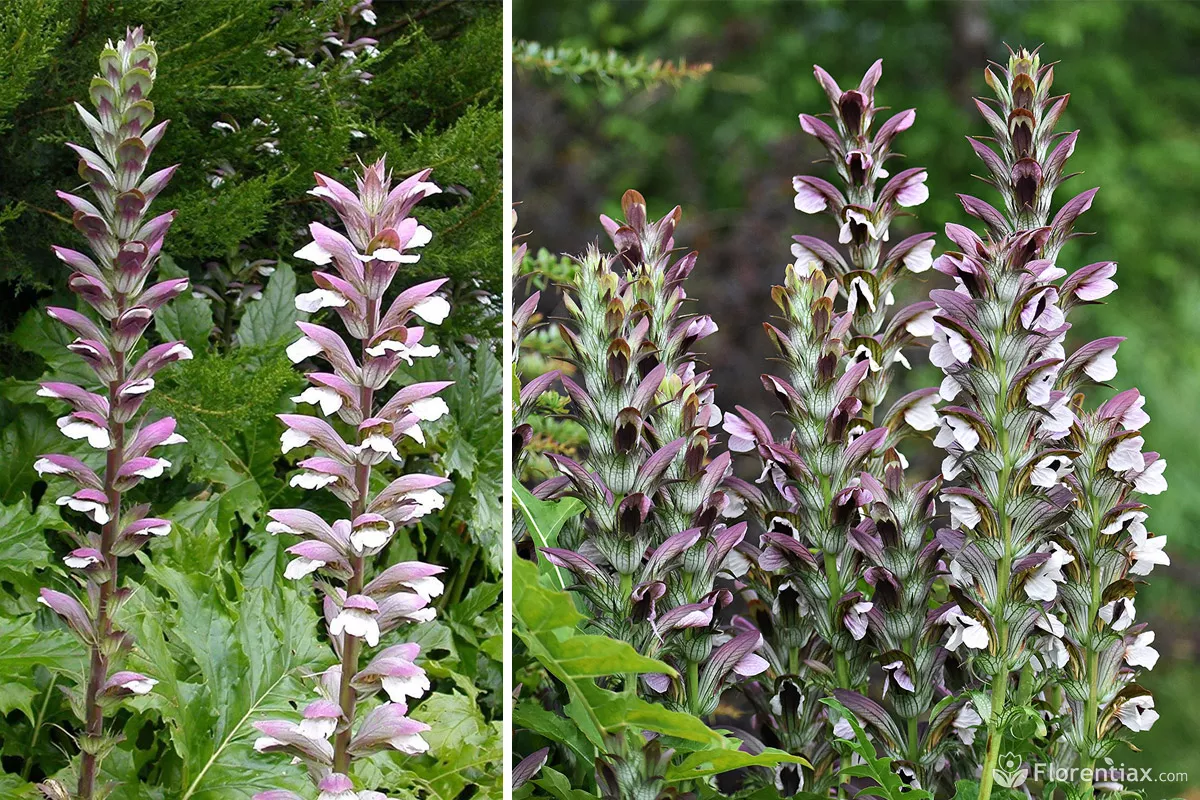
Acanthus mollis flowering plant
In a mixed planting, it behaves like a “living anchor.” The clump stays visually strong from spring through autumn, and the foliage holds its shape even when neighboring plants look tired. When it flowers, tall stems rise well above the leaves, carrying hooded, snapdragon-like blooms with showy bracts that are famously echoed in classical ornament and column capitals.
- Foliage impact: Large, lobed leaves create instant structure and contrast with fine-textured plants like grasses and small-leaved perennials.
- Flowering drama: Upright spikes add height and rhythm, typically in white to soft purple tones depending on the species and cultivar.
- Season-long presence: Even out of bloom, the clump reads as a deliberate design element rather than background filler.
- Useful scale: Many types reach roughly 90–150 cm (3–5 ft) tall in flower, with a spread around 60–120 cm (2–4 ft), so it can hold its own in larger beds.
- Design flexibility: Works in formal layouts (symmetry, repeated clumps) and in looser cottage-style borders where its bold leaves calm visual “busyness.”
Ornamentally, the plant’s strength is contrast: pair it with airy bloomers, small daisies, or wispy seedheads so the leaves look even more intentional. It also shines near hardscape—steps, walls, and paths—where the foliage’s crisp silhouette plays off stone and gravel without needing constant grooming.
Native Mediterranean habitat origins

Acanthus comes from the sun-baked edges of the Mediterranean Basin, where summers are long and dry and winters are mild and wetter. In that kind of climate, plants survive by storing energy in sturdy roots, tolerating reflective heat, and making the most of seasonal rain rather than relying on constant moisture.
In the wild, you’ll often find it on rocky slopes, open scrubland, and disturbed ground near old walls or paths. Those sites share two traits that explain why this perennial is so undemanding in gardens: drainage is fast, and competition from thirstier plants is limited.
- Soils: Typically stony, calcareous, or sandy, with low-to-moderate fertility. The plant’s thick root system helps it cope when nutrients are scarce.
- Water pattern: Rain arrives mainly in the cool season, then drops off sharply in summer. Once established, acanthus is built to ride out dry spells without sulking.
- Light exposure: Common in full sun to bright, open shade, especially where afternoon heat is intense. This background is why it can handle sun but also appreciates some shelter in hotter inland gardens.
- Temperature swings: Coastal influence keeps extremes in check, but plants still experience hot days and cooler nights. That daily rhythm suits its tough, leathery foliage.
- Natural “maintenance”: Grazing, wind, and occasional breakage act like rough pruning. It responds by pushing fresh growth from the base, which is the same regrowth habit gardeners see after cutting back.
Translating that origin story into practical care is straightforward: give it a spot that doesn’t stay soggy, avoid overfeeding, and let it settle in. If you mimic a Mediterranean-style rhythm—deep watering during establishment, then less frequent soaking once roots are down—it tends to look architectural without needing much attention.
Bold leaf shape and upright flowering spikes
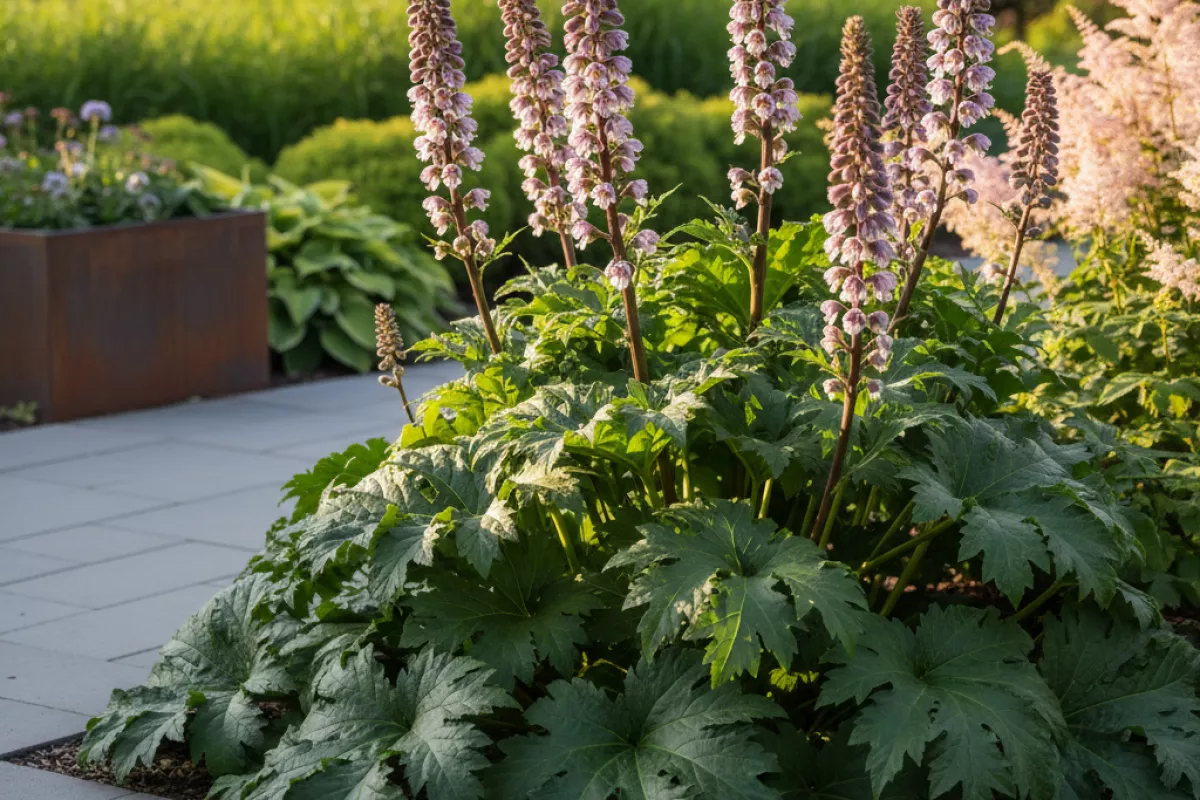
Acanthus earns its “architectural” reputation through the contrast of broad, deeply cut foliage and tall, vertical bloom stalks. The leaves form a dense, sculptural clump that reads clearly from a distance, while the flower spikes rise above the mound to add height without needing staking in most gardens.
The foliage is the main event for much of the season. Each leaf is lobed and slightly glossy, creating strong light-and-shadow patterns that make nearby plants look softer by comparison. In mixed borders, that texture helps anchor more airy perennials and grasses, especially when you want the planting to look intentional rather than busy.
- Leaf form: Large, jagged-edged leaves create a bold silhouette that stays interesting even when the plant isn’t in bloom.
- Growth habit: Acanthus typically makes a wide clump first, then sends up flower stems that keep the base from looking top-heavy.
- Flower structure: The blooms stack along the spike in a tidy, repeating pattern, often with showy bracts that hold their shape longer than the petals.
- Seasonal effect: Early growth looks lush and full; later, the vertical stalks add a second “layer” of structure above the leaves.
For placement, treat it like a living piece of garden architecture. Give it enough room so the leaf rosette can spread without smothering neighbors, and let the spikes read as a vertical accent behind lower plants. In practical terms, it works well at the back of a border or as a mid-border focal point where the foliage can be appreciated up close and the flowering stems can rise cleanly through the planting.
If you’re designing for contrast, pair the dramatic leaves with fine textures (small-leaved shrubs, feathery grasses) or simple forms (rounded mounds, strappy foliage). The plant’s strong lines also look good against hardscape—stone, gravel, or steps—because the crisp leaf edges echo those clean boundaries.
Light requirements for Acanthus structural growth
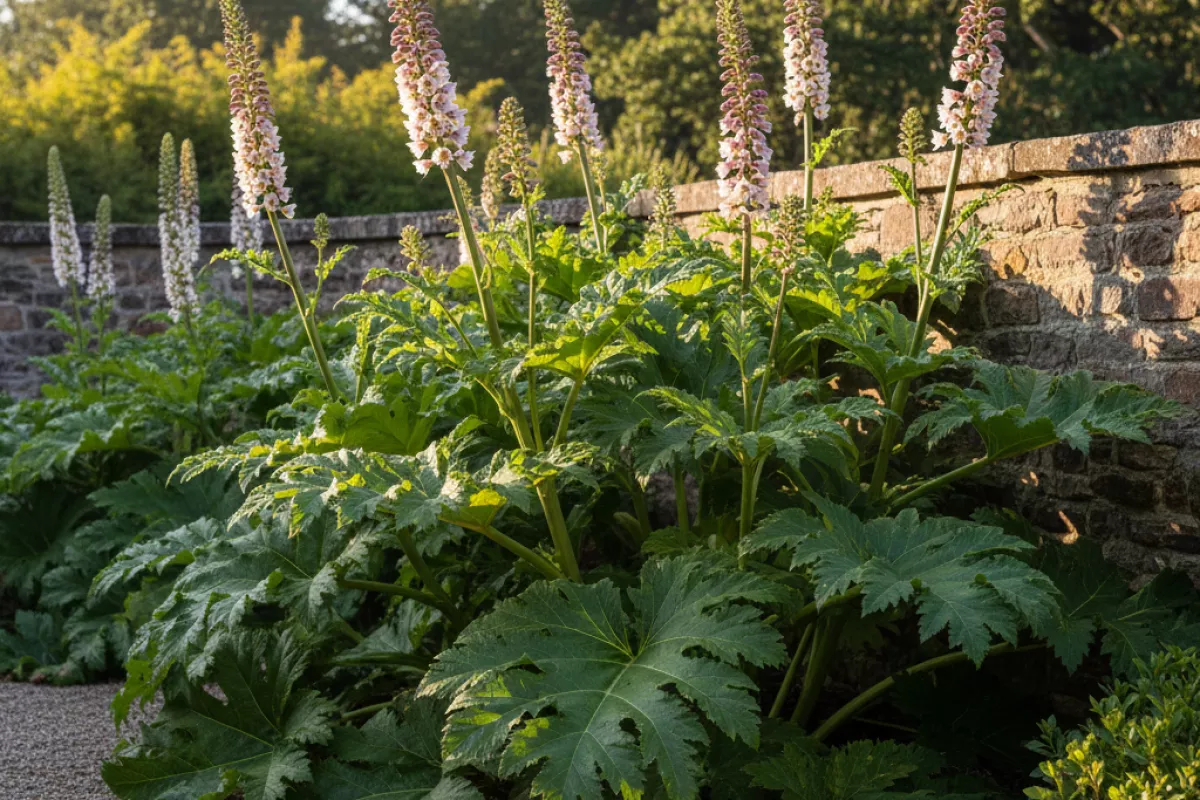
For sturdy, upright foliage and clean flower spikes, Acanthus needs enough sun to build thick leaf stalks and strong stems, but not so much exposure that the large leaves scorch or collapse from heat stress. Most gardens hit the sweet spot with sun in the morning and shade later in the day.
In general, full sun to partial shade works, with the “best” choice depending on how hot your summers get and how reflective your site is (paving, light walls, gravel). Acanthus in cooler climates can take more direct sun; in warm climates it often looks more architectural with some afternoon protection.
- Cool-summer or coastal climates: 6–8 hours of direct sun is usually fine, and can encourage firmer growth and better flowering.
- Hot-summer climates: Aim for 3–6 hours of sun, ideally morning light with shade after midday; this reduces leaf scorch and keeps the clump looking crisp.
- Dappled shade (under high canopy): Works well for foliage mass, but flowering may be lighter and stems can lean if light is too low.
- Deep shade: Often leads to oversized, softer leaves and fewer blooms; plants may stretch toward light and lose that “column-and-rosette” structure.
| Site light pattern | What you’ll likely see | How to keep the plant looking architectural |
|---|---|---|
| Full sun (6–8 hours/day) | Tighter habit, stronger stems; in hot areas, possible leaf scorch | Use in cooler regions or give midday shade; keep soil evenly moist during heat |
| Morning sun + afternoon shade (3–6 hours/day) | Best balance of bold foliage and stable flowering | Ideal placement near east-facing walls or where taller plants cast later shade |
| Bright dappled shade | Lush leaves; fewer flower spikes, occasional leaning | Thin overhead growth if possible; rotate container plants weekly if grown in pots |
| Low light / deep shade | Leggy growth, large soft leaves, minimal flowering | Relocate to brighter conditions; avoid heavy feeding that pushes weak, floppy growth |
Use the plant itself as your guide. If the leaves are paling and the clump is stretching, it wants more light. If you see browning on leaf edges or bleached patches after a hot spell, it’s getting too much intense sun for that location.
One practical rule: if your summer afternoons regularly exceed 32°C (90°F), prioritize shade after 1–2 p.m. If your summers are mild and nights are cool, more sun typically improves stem strength and bloom performance without sacrificing the foliage’s bold look.
Soil conditions and Acanthus watering needs
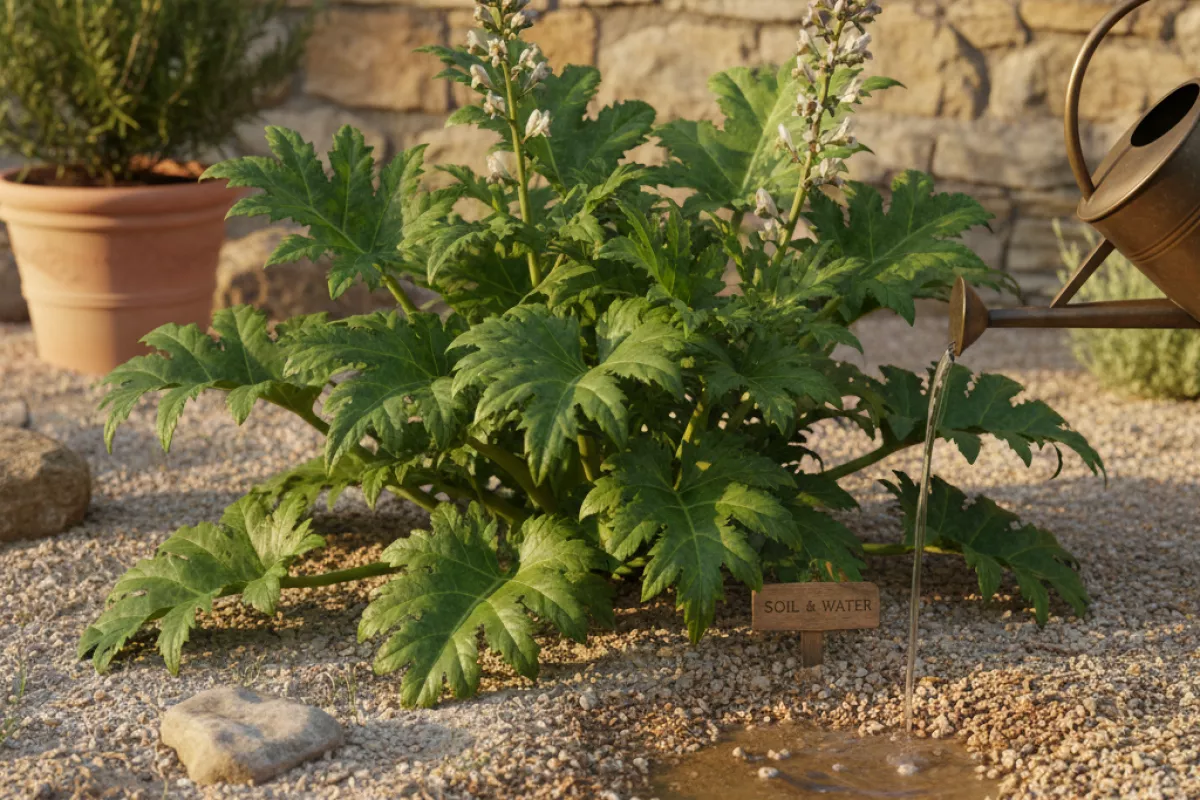
Acanthus is easiest when you treat it like a Mediterranean-style perennial: give it soil that drains well, then water deeply but not constantly. Learning how to water plants for strong roots helps prevent shallow rooting and stress. Once established, it tolerates dry spells better than soggy ground, and most problems trace back to heavy, wet soil rather than a little summer drought.
Start with drainage and structure. In the ground, it’s happiest in loam or sandy loam, but it will cope with clay if you improve it and avoid low spots where water collects. Aim for a neutral to slightly alkaline pH, roughly 6.5–8.0. If your soil is compacted, loosen a wide area so roots can spread, not just a narrow planting hole.
- If soil stays wet after rain: Plant on a slight mound or gentle slope, and work in coarse mineral material (grit or sharp sand) plus organic matter to open the texture.
- If soil is very sandy: Add compost to increase moisture-holding capacity so the plant doesn’t stall during hot stretches.
- If you garden in containers: Use a free-draining potting mix and ensure the pot has unobstructed drainage holes; containers dry faster, so they need more attentive watering than in-ground plants.
Watering is most important in the first growing season. After planting, keep the root zone evenly moist (not saturated) while the plant establishes. A practical rule: water when the top 5 cm (2 in) of soil feels dry, then soak thoroughly so moisture reaches deeper roots. Shallow, frequent sprinkles encourage shallow rooting and make the plant less resilient.
| Situation | What to do | Why it helps |
|---|---|---|
| Newly planted (first 6–10 weeks) | Deep water 1–2 times per week, adjusting for rain; check dryness at 5 cm (2 in) | Supports root establishment without waterlogging |
| Established plants in average garden soil | Water only during prolonged dry spells; soak when soil is dry 7–10 cm (3–4 in) down | Encourages drought tolerance and reduces rot risk |
| Heat wave or fast-draining soil | Add a 5–7 cm (2–3 in) mulch layer, and water deeply in the morning | Mulch moderates temperature swings and slows evaporation |
| Heavy clay or poorly drained site | Reduce watering frequency, improve drainage, and avoid planting in depressions | Prevents crown and root problems caused by saturated soil |
Watch the plant rather than the calendar. Slight midday wilting in strong sun can happen even when moisture is adequate, but persistent drooping, dull leaves, and slow growth often point to dryness. Yellowing leaves with a soft crown or a musty smell usually indicates too much water or poor drainage. When in doubt, check the soil depth before adding more.
Climate tolerance and seasonal resilience
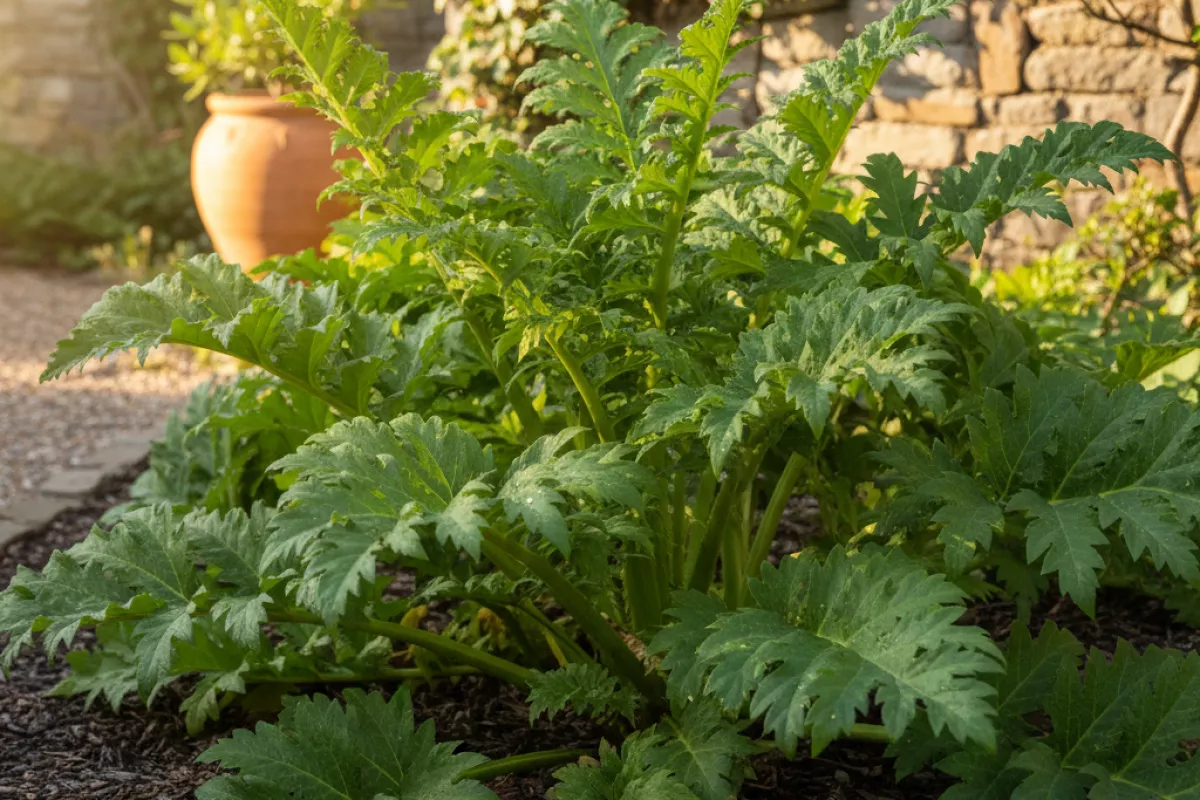
Acanthus handles a wide range of weather once established, especially where summers are warm and the soil drains well. Its thick, glossy leaves don’t wilt at the first dry spell, and the plant rebounds quickly after routine stress like heat, wind, or a missed watering. The main limiter isn’t temperature alone—it’s the combination of cold and winter wet, which can weaken crowns and invite rot.
- Heat and sun: In full sun to light shade, acanthus stays sturdy through hot spells, particularly if roots can reach deeper moisture. In very intense afternoon sun, a bit of shade prevents leaf scorch and keeps the foliage looking cleaner.
- Drought tolerance: After the first season, it copes with short dry periods better than many perennials thanks to a strong root system. During prolonged drought, a deep soak every 10–14 days is usually enough to prevent stress—aim to wet the root zone rather than frequent light sprinkling.
- Cold and frost: Many types survive winter cold by dying back and resprouting from the crown. If you garden where freezes are common, leave old stems until late winter; they help protect the crown and make spring cleanup easier.
- Winter wet: Saturated soil is the most common reason plants struggle. If your site stays soggy, improve drainage with grit or plant on a slight mound so water sheds away from the crown.
- Wind and exposure: Tall flower spikes can lean in exposed spots. A sheltered position or discreet staking keeps the architectural look without turning maintenance into a chore.
| Season or condition | What to expect | Low-effort response |
|---|---|---|
| Spring cool spells and late frosts | New shoots may soften or get nipped, but crowns usually recover | Delay cutting back old growth until risk of hard frost passes; let emerging growth guide cleanup |
| Summer heat and dry weeks | Leaves can droop midday; growth slows to conserve moisture | Water deeply at the base; add 5–8 cm (2–3 in) mulch, keeping it off the crown |
| Autumn rains and cooling nights | Soil stays damp longer; crowns are more vulnerable if drainage is poor | Clear fallen leaves from the center; avoid heavy compost piled against stems |
| Winter cold with wet soil | Highest risk period for crown rot and loss | Improve drainage, plant slightly high, and use a light, airy mulch rather than dense, water-holding layers |
If you’re unsure how it will perform in your garden, treat the first year as the “establishment year.” Keep moisture steady (not soggy), avoid heavy feeding, and focus on drainage. Once the roots are in, acanthus behaves much like other drought-tolerant plants, staying composed through seasonal swings with only occasional intervention.
Minimal care routine for mature plants
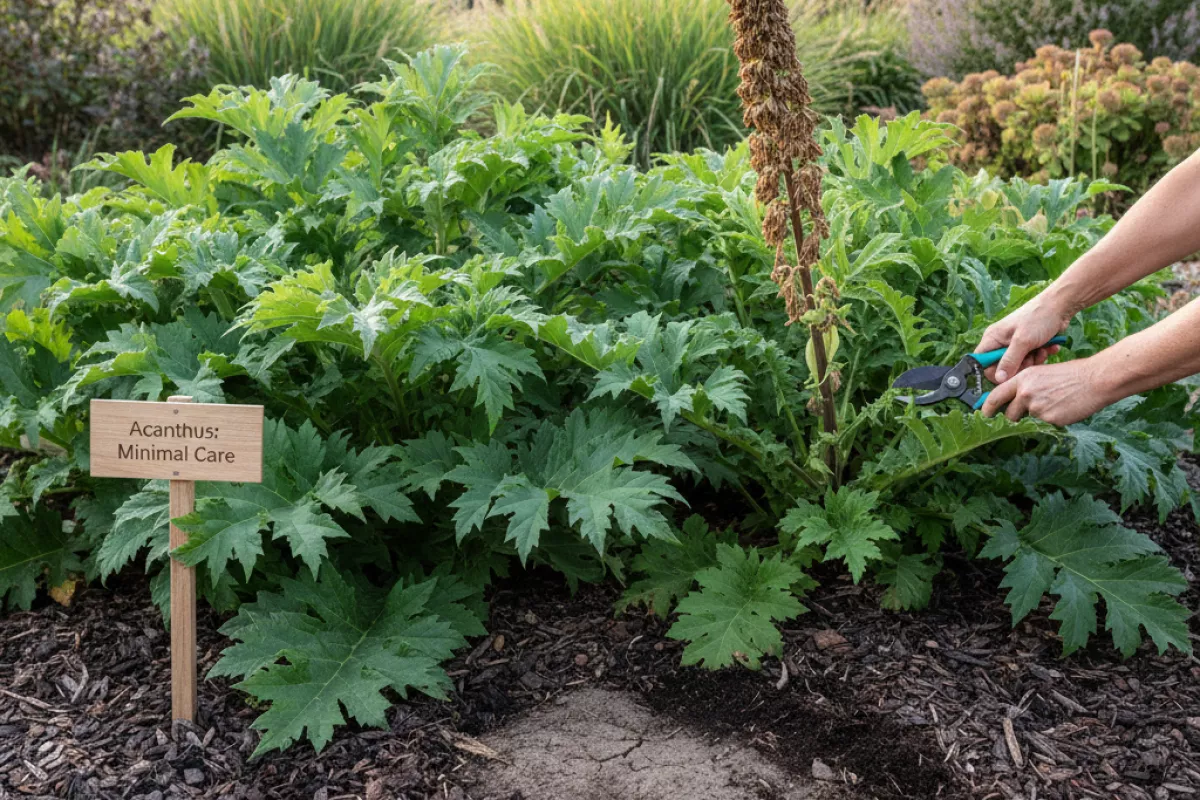
Once established, acanthus mostly asks to be left alone. The goal is to keep the crown healthy, prevent flopping, and tidy old growth without pushing lots of soft, needy foliage.
- Watering: Deeply soak during prolonged dry spells, then let the soil dry partway before watering again. A good rule is to water when the top 5–8 cm (2–3 in) feels dry; in heatwaves, that may mean a thorough drink every 7–14 days. Avoid frequent light sprinkling, which encourages shallow roots.
- Mulch: Refresh a 5–7 cm (2–3 in) layer of mulch in spring, keeping it 5 cm (2 in) away from the crown to reduce rot. Mulch helps even out moisture and limits weeds without constant hoeing.
- Feeding: Skip routine fertilizer unless growth is clearly weak. If needed, top-dress with 2–3 cm (1 in) of compost in spring, or use a balanced slow-release feed at half rate. Too much nitrogen can make leaves lush and more likely to collapse.
- Staking (only if necessary): In rich soil or part shade, flower spikes can lean. Use discreet supports early, when stems are 20–30 cm (8–12 in) tall, so the plant grows through them naturally.
- Deadheading and cutting back: Remove spent flower spikes at the base to keep the clump neat and to prevent self-seeding. In late fall or late winter, cut tired foliage down to 5–10 cm (2–4 in) once it yellows or gets battered; leave evergreen leaves intact in mild climates if they still look good.
- Weeding: Hand-weed around the crown rather than cultivating deeply. Acanthus has substantial roots, but shallow hoeing can still nick new shoots.
- Division: Avoid dividing often; it resents disturbance. If the center thins or the clump outgrows its space, divide in early spring, replanting sections with a clear growing point and spacing them about 60–90 cm (24–36 in) apart.
- Winter check: In cold regions, add a loose winter mulch after the ground freezes, about 7–10 cm (3–4 in), then pull it back in early spring so new shoots don’t stay damp.
If you’re troubleshooting, the two most common issues are too much water around the crown (leading to rot) and overly rich conditions (leading to floppy growth). Adjusting those usually brings mature plants back to their sturdy, architectural form.
Propagation through division or seed
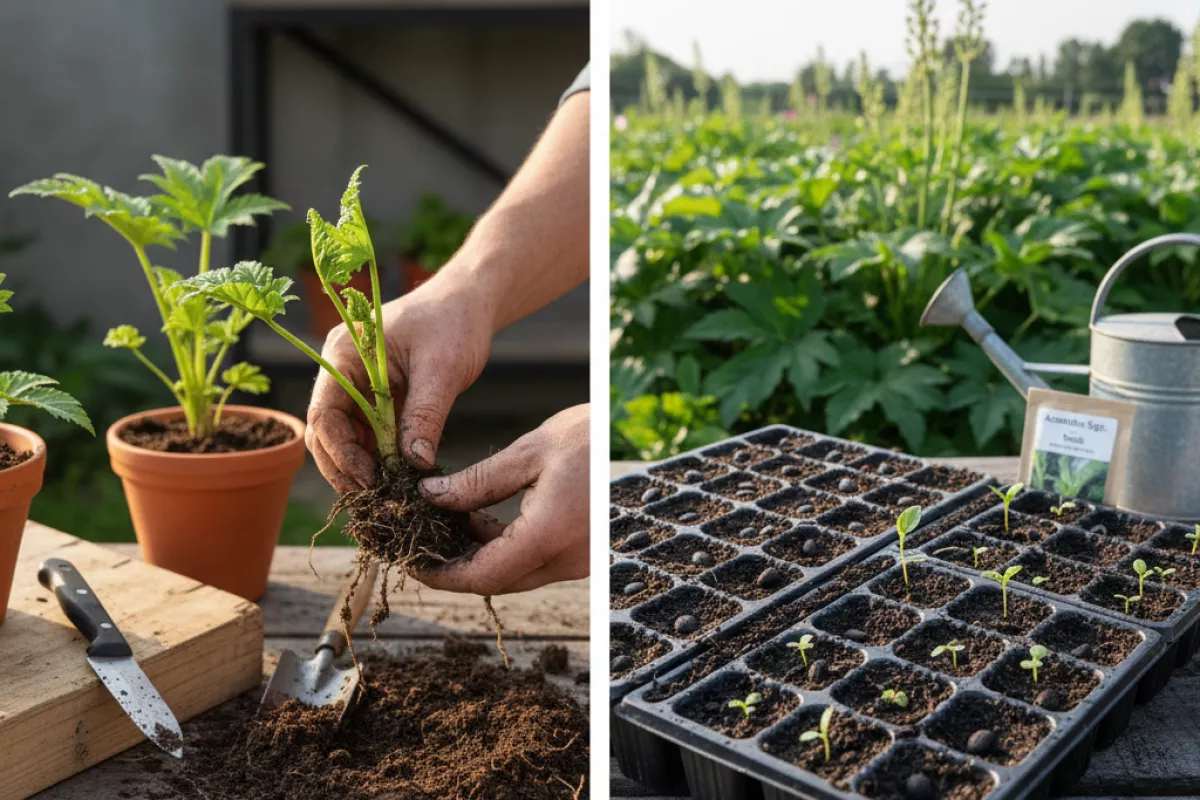
New plants are easiest to get by splitting an established clump, while sowing is useful if you want a lot of seedlings or you’re working with a species that sets viable seed. Both methods work, but they behave differently: divisions give you a near-instant adult plant, and seed-grown plants take longer and may vary a bit from the parent.
| Method | Best time | What you’ll need | What to expect |
|---|---|---|---|
| Division (splitting clumps) | Early spring as growth starts, or early autumn when heat eases | Spade or sharp knife, compost, water | Fast results; plants match the parent; may sulk briefly after moving |
| Root cuttings (thick root pieces) | Late winter to early spring | Clean pruners, pots, gritty mix | Slower than division but reliable; good if you can’t lift a whole clump |
| Seed (fresh or stored) | Autumn outdoors, or late winter indoors | Seed tray, free-draining mix, light cover | More plants for less effort; variable leaf form; flowering can take 2–3 years |
| Self-sown seedlings (where they appear) | Spring when seedlings are large enough to handle | Trowel, small pots (optional) | Easy “free” plants; move while young for best survival |
How to divide acanthus without a struggle
- Pick a cool day and water the plant the day before so the root mass is less brittle.
- Cut back old foliage if it’s floppy or damaged; leaving a small tuft is fine.
- Lift a section, not necessarily the whole plant. Use a spade to slice down and lever out a wedge from the edge of the clump.
- Make sturdy pieces. Aim for divisions with at least 1–3 growing buds and a good amount of root attached.
- Replant at the same depth and firm in well. Space new plants about 60–90 cm (24–35 in) apart so the leaves can expand.
- Water deeply right after planting, then keep evenly moist for 2–3 weeks while roots re-establish.
Sowing tips (and why fresh seed matters)
- Collect when pods start to split. Acanthus can fling seed, so bagging a few seed heads helps.
- Sow shallowly. Cover with about 5–10 mm (0.2–0.4 in) of mix or grit; too deep can slow germination.
- Use a free-draining medium. A gritty seed mix reduces damping-off, especially in cool weather.
- Be patient with timing. Germination can be uneven; keep trays lightly moist, not wet.
- Pot on early. Move seedlings to individual pots once they have a couple of true leaves so their long roots don’t tangle.
If you’re gardening in a mild climate, you may notice volunteer seedlings near the parent. Transplant them when they’re small and the soil is damp; once the tap-like roots lengthen, moving them becomes more hit-or-miss.
Seasonal growth stages and Acanthus flowering period
Acanthus follows a steady yearly rhythm: bold foliage first, then tall flower spikes, then a gradual slowdown. Knowing what “normal” looks like across the seasons helps you avoid overwatering, overfeeding, or cutting back at the wrong time.
| Season | What the plant is doing | What you should do (minimal-care approach) |
|---|---|---|
| Late winter to early spring | New shoots rise from the crown; leaf rosettes expand as soil warms. | Clear away old, soggy foliage. If you cut back, leave about 5–10 cm (2–4 in) of stubble to protect emerging buds. Water only if the top few centimeters are dry. |
| Mid to late spring | Fast leaf growth; the plant builds energy for blooming. | Mulch lightly with 2–5 cm (1–2 in) compost to steady moisture. Keep mulch off the crown to prevent rot. Skip fertilizer unless growth is clearly weak. |
| Early to mid-summer | Flower spikes form and open; this is the main display window in many climates. | Stake only if the site is windy. Water deeply during prolonged dry spells (roughly every 7–14 days, depending on heat and soil). Deadhead spikes if you want fewer seedlings. |
| Late summer to early fall | Blooming tapers; seed heads mature; foliage may stay handsome or look tired in heat. | Cut spent stalks down to the base once they brown. If you want to collect seed, wait until pods dry and begin to split. Continue light watering until cooler weather returns. |
| Late fall to winter | Growth slows; in mild areas leaves can remain semi-evergreen, while colder zones may see dieback. | Leave intact foliage where winters are cold to protect the crown, then tidy in spring. Avoid wet, heavy mulch over the center; good drainage matters more than extra cover. |
The Acanthus flowering period typically lands in summer, but timing shifts with species, sun exposure, and local temperatures. In warmer regions it can start earlier; in cooler gardens it may peak later and last longer if nights stay mild.
- More sun, earlier spikes: Plants in brighter sites usually initiate blooms sooner, though very hot, reflected heat can shorten the show.
- Moisture affects duration: Even drought-tolerant clumps flower longer with occasional deep watering during heat waves, especially in sandy soils.
- Deadheading changes the focus: Removing spent spikes redirects energy to foliage and reduces self-seeding; leaving them supports seed set and winter structure where stems persist.
- Don’t rush the cutback: If you cut stems while they’re still green, you may lose late-opening flowers and encourage soft regrowth that’s more vulnerable to cold snaps.
Typical Acanthus problems and garden pests
Most issues with bear’s breeches come down to moisture management and a few common sap-sucking insects. If you’re trying to understand why leaves get brown spots, excess moisture, poor airflow, or stress from heat are frequent triggers. The plant is generally tough, but it can look rough if the soil stays wet for long periods or if new growth gets stressed by heat, wind, or crowding.
| Problem or pest | What you’ll notice | Likely cause | What to do (low-fuss first) |
|---|---|---|---|
| Slugs and snails | Ragged holes, shredded leaf edges, damage on fresh shoots | Damp shade, dense mulch, hiding spots near crowns | Hand-pick at dusk; thin nearby groundcover; water in the morning; use iron phosphate bait as a last resort and keep it away from pets’ food bowls |
| Aphids | Sticky residue, curled new leaves, clusters on flower stems | Soft, fast growth (often after high nitrogen feeding) and still air | Rinse off with a firm spray of water; pinch out badly infested tips; encourage lady beetles; avoid heavy feeding |
| Spider mite treatment | Fine stippling, dull foliage, faint webbing in hot spells | Hot, dry conditions and dusty leaves | Rinse foliage (especially undersides); increase spacing for airflow; keep the root zone evenly moist without soaking |
| Root/crown rot | Sudden collapse, blackened crown, yellowing that doesn’t improve after watering | Poor drainage, waterlogged soil, planting too deep | Improve drainage; replant with the crown at soil level; cut away mushy tissue; let the area dry between waterings |
| Leaf spot and mildew | Spots, blotches, or a light powdery coating; older leaves look tired | Humid weather, overhead watering, crowded clumps | Remove the worst leaves; water at the base; thin or divide congested plants; clean up fallen debris |
| Winter damage (cold or wet) | Blackened leaves, mushy crowns after freeze-thaw cycles | Cold combined with wet soil; heavy mulch pressed onto the crown | Leave old foliage as a light cover, then cut back in spring; use a loose mulch layer about 5 cm (2 in) deep, not packed against the crown |
- Don’t overwater once established. Deep, infrequent watering is usually better than frequent light watering. If the top 5 cm (2 in) of soil is still damp, wait.
- Give it breathing room. Good airflow reduces mildew and makes aphids less persistent, especially around tall flower spikes.
- Cut back with purpose. If foliage looks battered after a heatwave or pest nibbling, trimming damaged leaves can push clean new growth—just avoid cutting into the crown.
- Watch for wandering roots. Acanthus can spread; if it pops up where you don’t want it, remove shoots early while the soil is moist so you can pull more of the root.