Top Low-Light Plants for Apartments

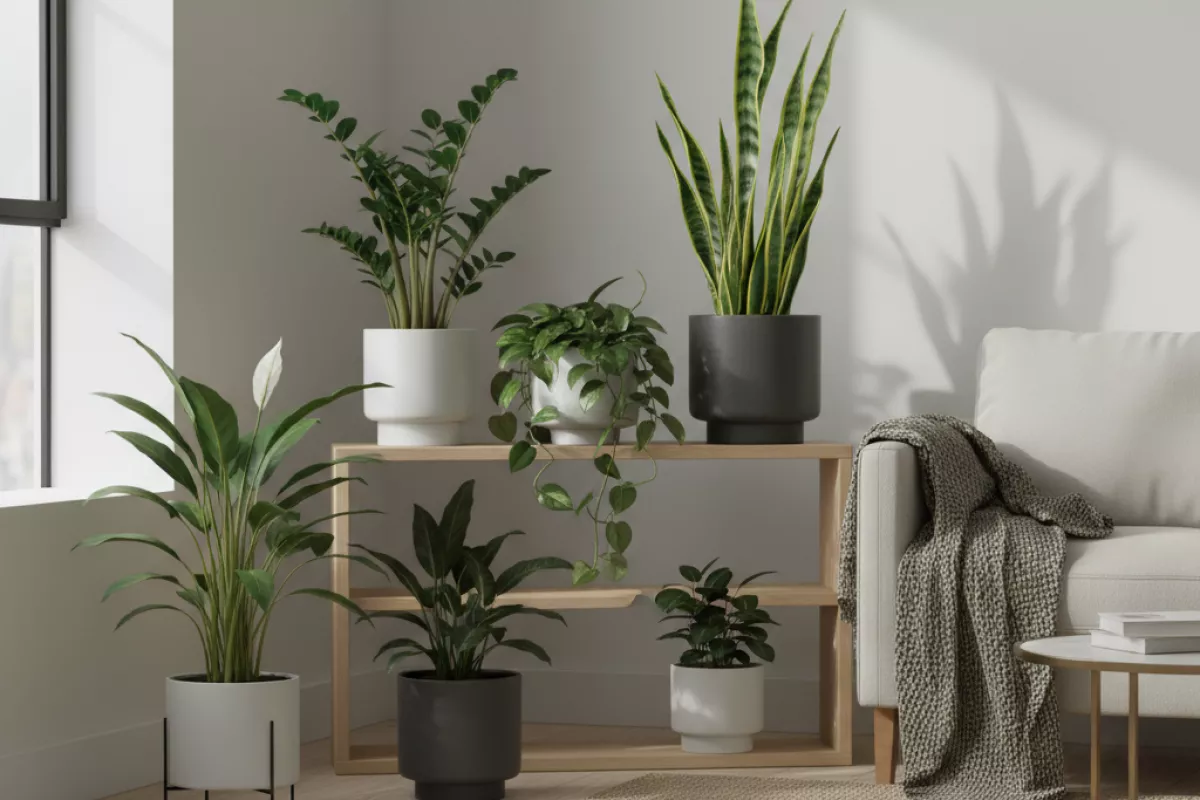 Covers why apartments often have limited light, the best plant types for apartment living, and compact varieties for small spaces. Shares placement ideas for different rooms, care adjustments for indoor conditions, decorative benefits of shade plants, and mistakes to avoid in small homes.
Low light does not have to mean bare corners. The right apartment plants can thrive with indirect light and minimal upkeep, adding steady greenery without constant attention. Pick varieties known for shade tolerance, water only when the soil partly dries, and use pots that fit the root ball to prevent soggy mix. With these simple habits, even rooms with limited windows can stay lush.
Why apartments often have limited light
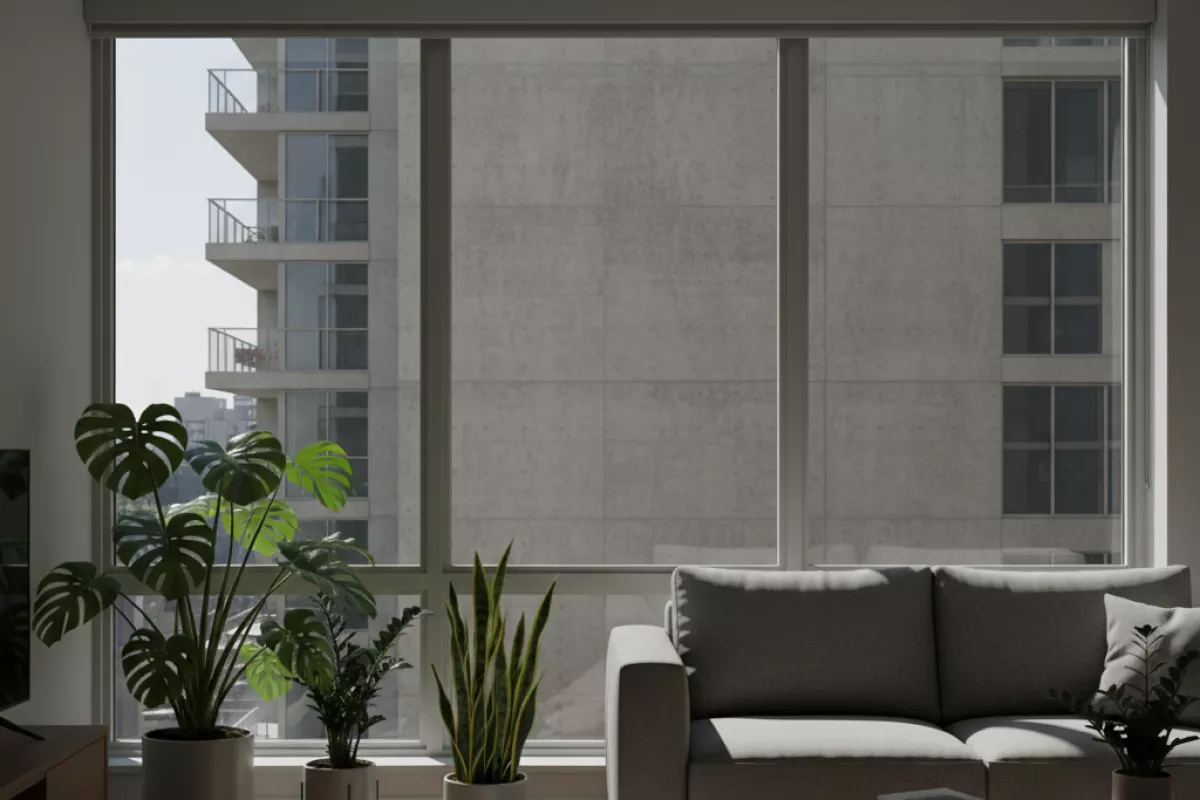
Indoor brightness in multi-unit buildings is often lower than people expect, even with big windows. Light has to travel through glass, bounce around interior surfaces, and compete with nearby structures—so what feels “sunny” to your eyes can still be dim for a plant.
- Neighboring buildings block the sky. In dense areas, the view is more wall than horizon, which cuts down the amount of direct sun and shortens the window’s daily “bright” period.
- Window direction limits intensity. North-facing windows (in the Northern Hemisphere) tend to get steady but weaker illumination, while east/west can be bright for a short stretch and then drop off quickly. South-facing can be strong, but only if it isn’t shaded by balconies or trees.
- Overhangs, balconies, and deep window recesses create shade. Many apartments have architectural features that act like a visor, keeping midday light from reaching far into the room.
- Glass and screens reduce usable light. Tinted panes, insect screens, and some UV/heat-control coatings can noticeably cut the intensity plants receive, even though the room still looks well lit.
- Rooms are deeper than the light can reach. Brightness drops fast as you move away from a window. A plant placed 1 m (3.3 ft) back may be fine, while the same plant at 3 m (9.8 ft) can struggle.
- Interior finishes can work against you. Dark floors, heavy curtains, and matte paint absorb light instead of reflecting it, lowering ambient brightness throughout the space.
- Season and weather swing more than you notice. Winter days are shorter and the sun sits lower, so the same window can provide far less light than it did in summer—especially on cloudy weeks.
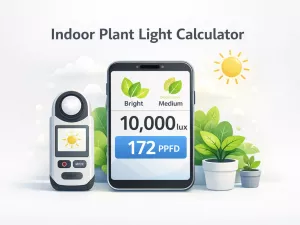
The practical takeaway: when choosing low-light plants for an apartment, think in terms of consistent brightness rather than “does this spot look bright at noon.” If you’re unsure how bright a spot really is, converting window light from lux to plant-usable units helps clarify expectations — tools like a lux to PPFD for houseplants make it easier to judge whether a location can actually support long-term growth.
Best plant types for apartment living
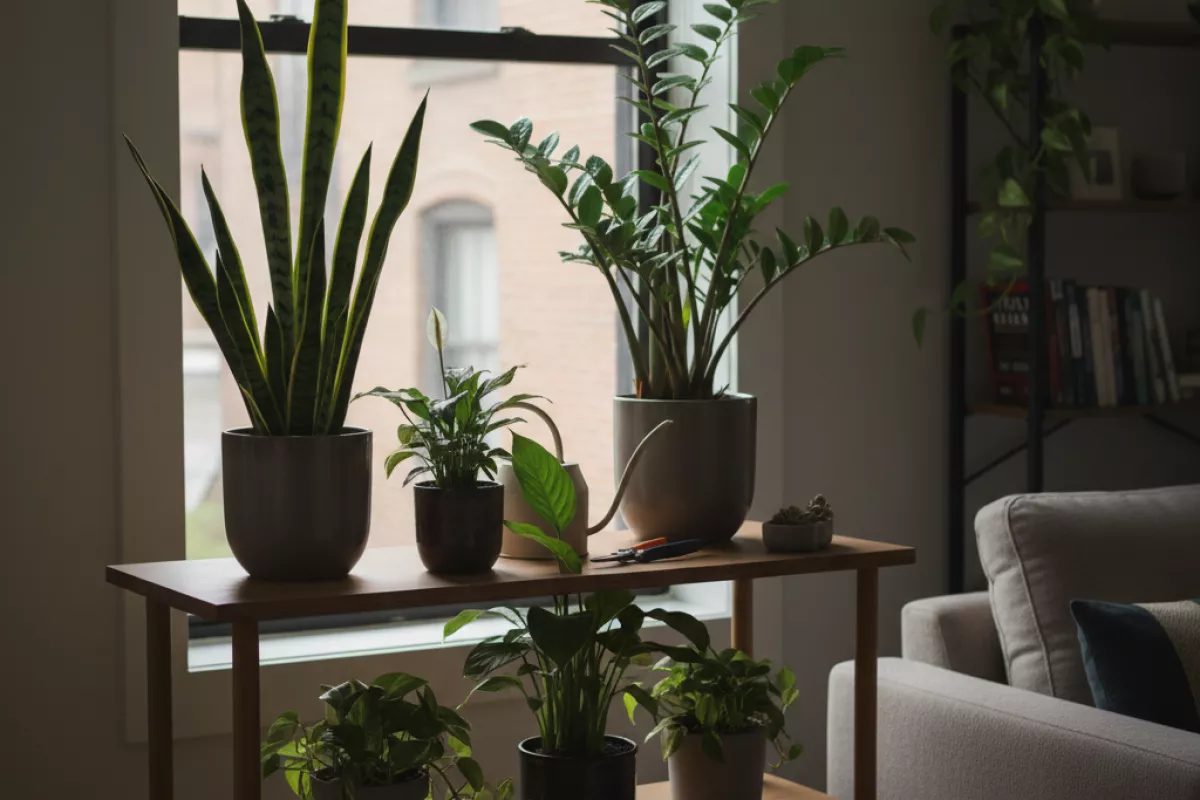
In a small space with limited sun, the most reliable choices are plants that tolerate shade, grow slowly, and don’t demand constant watering. Focusing on plants that tolerate low indoor light helps narrow the list to species that stay stable in apartments, even when window exposure is brief or inconsistent.
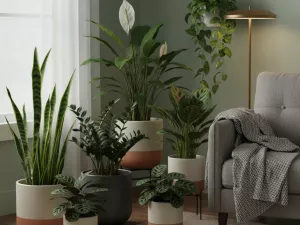
- Tough foliage plants (snake plant, ZZ plant, cast iron plant): Thick leaves and sturdy stems help them cope with low light and irregular watering. They’re a good fit if your windows face north or are shaded by nearby buildings.
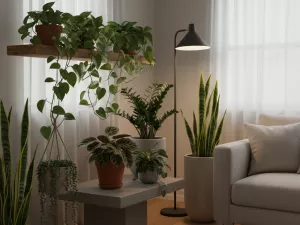
- Trailing and shelf-friendly plants (pothos, heartleaf philodendron): Vining growers make use of vertical space and look good on bookcases. You can trim them back and propagate cuttings in water for an easy refresh.
- Compact rosettes and “desk plants” (peace lily, Chinese evergreen): These stay relatively contained, making them practical for side tables and corners. Many also give clear signals—like slight leaf droop—when it’s time to water.
- Humidity-tolerant bathroom plants (pothos, some ferns): If you have a windowed bathroom or bright artificial light, moisture-loving options can do well there, where the air is often more humid than the rest of the apartment.
- Low-maintenance palms and cane plants (parlor palm, dracaena): These add height without taking up much floor area. They’re useful when you want a “bigger plant” look but only have a small footprint available.
When you’re deciding, match the plant to the spot first: a corner that’s 1–2 m (3–6 ft) from a window usually counts as low light, while a sill with filtered sun is brighter. If you rely on grow lights, aim for about 12–16 hours per day (12–16 h/day) at a consistent schedule, and choose plants that won’t outgrow the space quickly.
| Plant type | Why it works in apartments | Low-light tolerance | Watering rhythm (typical) |
|---|---|---|---|
| Tough foliage (snake plant, ZZ) | Handles missed waterings; stays neat; good for beginners | High | Let soil dry most of the way before watering |
| Trailing vines (pothos, philodendron) | Uses vertical space; easy to prune and propagate | Medium–high | Water when top layer dries |
| Compact leafy plants (peace lily, aglaonema) | Fits small rooms; clear “thirst” signals; looks lush | Medium | Keep lightly moist, not soggy |
| Palms/canes (parlor palm, dracaena) | Adds height with a small footprint; slow to moderate growth | Medium | Water after partial dry-down |
One practical rule: if you’re unsure, pick a forgiving plant and a pot with drainage holes. In low light, soil dries more slowly, so overwatering is usually the bigger risk than underwatering—especially in cool rooms around 18–21°C (65–70°F).
Compact varieties suited for small spaces
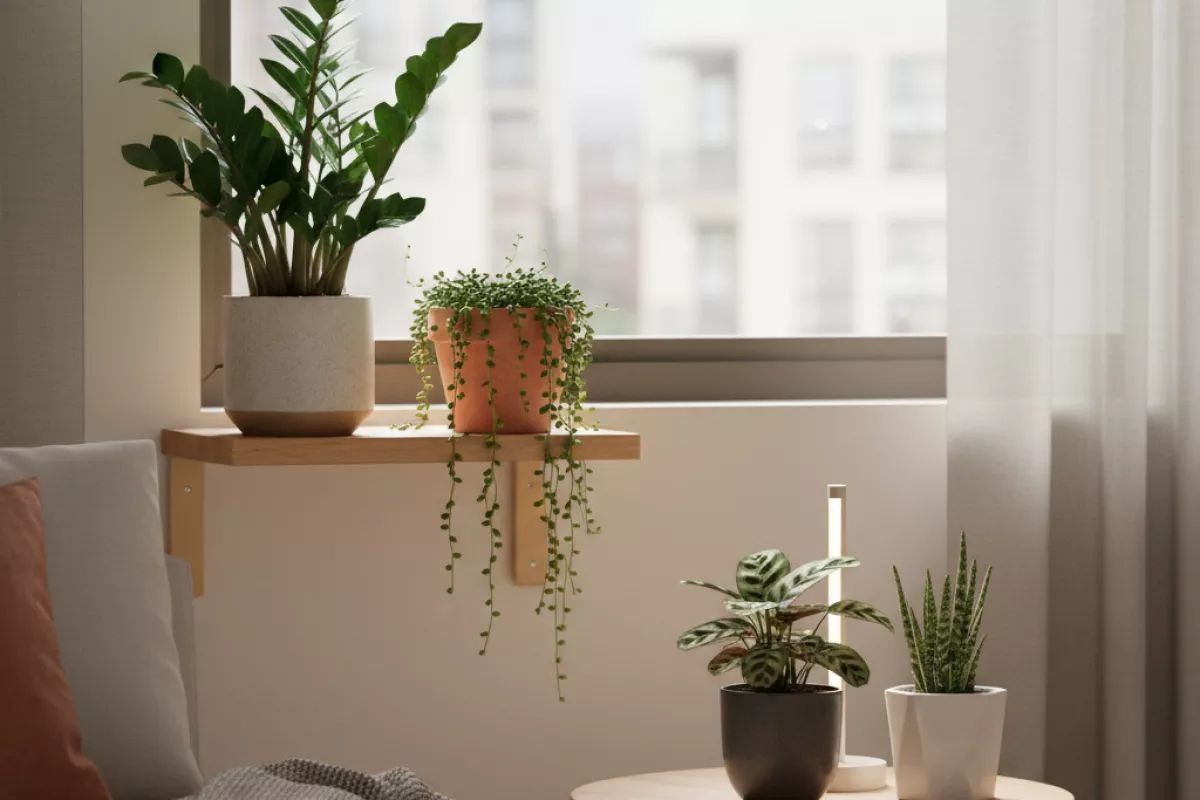
When floor space is limited, the easiest win is choosing plants that stay naturally small, tolerate shade, and don’t demand constant pruning. Prioritizing houseplants that grow well in low light reduces trial and error and keeps compact spaces from turning into constant rescue projects.
| Plant (compact pick) | Why it works in low light + small homes | Typical size indoors | Care notes for apartments |
|---|---|---|---|
| ZZ plant ‘Zenzi’ (dwarf) | Handles dim corners and irregular watering; stays tidy | 30–45 cm (12–18 in) tall | Let soil dry most of the way down; rotate monthly for even growth |
| Snake plant ‘Hahnii’ (bird’s nest) | Compact rosette form; tolerates low light and dry air | 15–25 cm (6–10 in) tall | Water sparingly; avoid leaving it in a soggy cachepot |
| Pothos (small pot, trained to trail) | Adapts to shade; grows downward off shelves instead of outward | Vines 60–180 cm (24–72 in) long | Trim to control length; pinch tips to encourage fuller growth |
| Heartleaf philodendron | Low-light tolerant and forgiving; easy to keep compact with pruning | Vines 60–150 cm (24–59 in) long | Water when top 2–3 cm (1 in) dries; wipe leaves to reduce dust |
| Chinese evergreen (Aglaonema, smaller cultivars) | One of the better performers in medium-to-low light | 30–60 cm (12–24 in) tall | Even moisture works best; avoid cold drafts below 13°C (55°F) |
| Peace lily (smaller varieties) | Manages in lower light; upright habit fits narrow spots | 30–50 cm (12–20 in) tall | Wilts when thirsty (a useful signal); keep away from heater vents |
- Use vertical real estate: A trailing plant on a shelf or bookcase gives you greenery without sacrificing walking space.
- Choose the right pot size: A 10–15 cm (4–6 in) pot is often enough for these low-light options; oversized pots stay wet longer and can invite root rot.
- Keep growth controlled: For vining types, trim back to a node and root cuttings in water or soil to maintain a neat, compact look.
- Mind the microclimate: In tight apartments, plants may sit close to radiators or AC. Aim for 18–27°C (65–81°F) and avoid placing leaves directly in the airflow.
If you’re undecided, start with a dwarf snake plant or ZZ ‘Zenzi’ for the smallest footprint and the widest tolerance for missed waterings. If you want something that can spill gracefully from a high spot, pothos or heartleaf philodendron are usually the easiest to shape around your space.
Placement ideas for different rooms
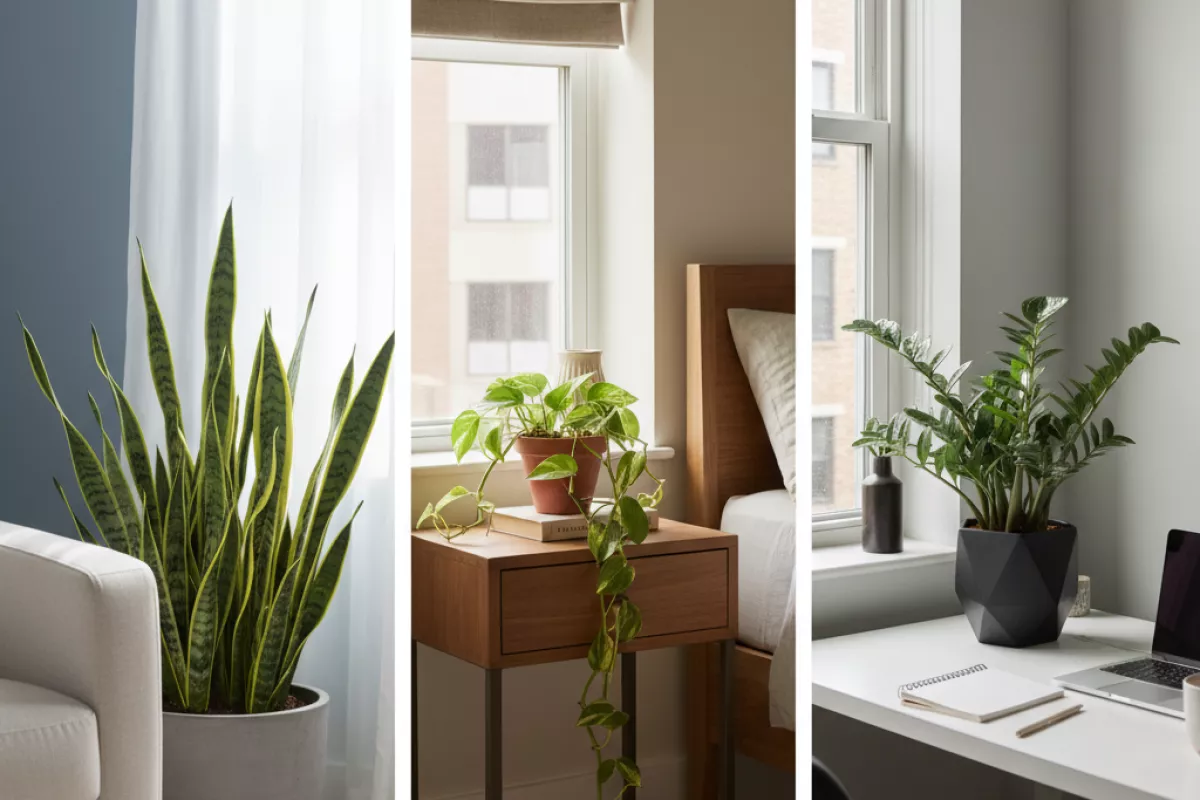
Start by matching the plant to the brightest available spot in each space, then back it up a little if the leaves show stress. In most apartments, “low light” still means some usable daylight: a few steps away from a window, a shaded corner, or light filtered through curtains. Rotate pots a quarter turn every 1–2 weeks to keep growth even, and keep leaves dust-free so they can use what light they get.
| Room/spot | What tends to work well (and where to put it) | Watch-outs |
|---|---|---|
| Living room (corners, behind seating) | Snake plant, ZZ plant, cast iron plant; place 1–2 m (3–6 ft) from an east- or north-facing window, or farther back with sheer curtains. | Don’t hide them in a pitch-dark corner; slow growth is normal, but yellowing can mean too much water for the light level. |
| Bedroom (nightstands, dressers) | Pothos, heartleaf philodendron, peace lily; set on a dresser 0.5–1.5 m (1.5–5 ft) from a window, or use a hanging planter near the brightest wall. | Peace lilies droop when thirsty; avoid blasting plants with heat from vents right next to the bed. |
| Bathroom (with a window or decent daylight) | Ferns, pothos, peace lily; place on a shelf that gets indirect light, ideally within 1 m (3 ft) of the window for ferns. | No-window bathrooms are usually too dim long-term; high humidity helps, but it doesn’t replace light. |
| Kitchen (counters, top of cabinets) | ZZ plant, snake plant, pothos; keep on a counter near the sink with bright shade, or let pothos trail from a high shelf. | Grease and cooking residue can coat leaves; wipe them monthly and keep plants 30–60 cm (12–24 in) away from the stove. |
| Entryway/hallway (often dim) | Snake plant, ZZ plant, cast iron plant; place near the closest doorway sidelights or the end of the hall where daylight reaches. | If you can’t read a book there during the day without turning on a lamp, rotate plants out to a brighter room for 1–2 weeks each month. |
| Home office (desk, shelves) | Pothos, philodendron, Chinese evergreen; keep on a shelf beside the window rather than directly behind a monitor, about 0.5–1 m (1.5–3 ft) from light. | Plants dry faster near electronics and fans; check soil more often, but still water only when the top 2–5 cm (1–2 in) is dry for most low-light picks. |
If you’re unsure about a spot, try this simple test: stand where the plant will sit at midday and look at your hand. A soft shadow usually means “bright indirect” (good for many apartment plants), while no shadow at all often means you’ll need a tougher choice like a snake plant or ZZ plant, or you’ll need to move it closer to the window.
Care adjustments for indoor conditions
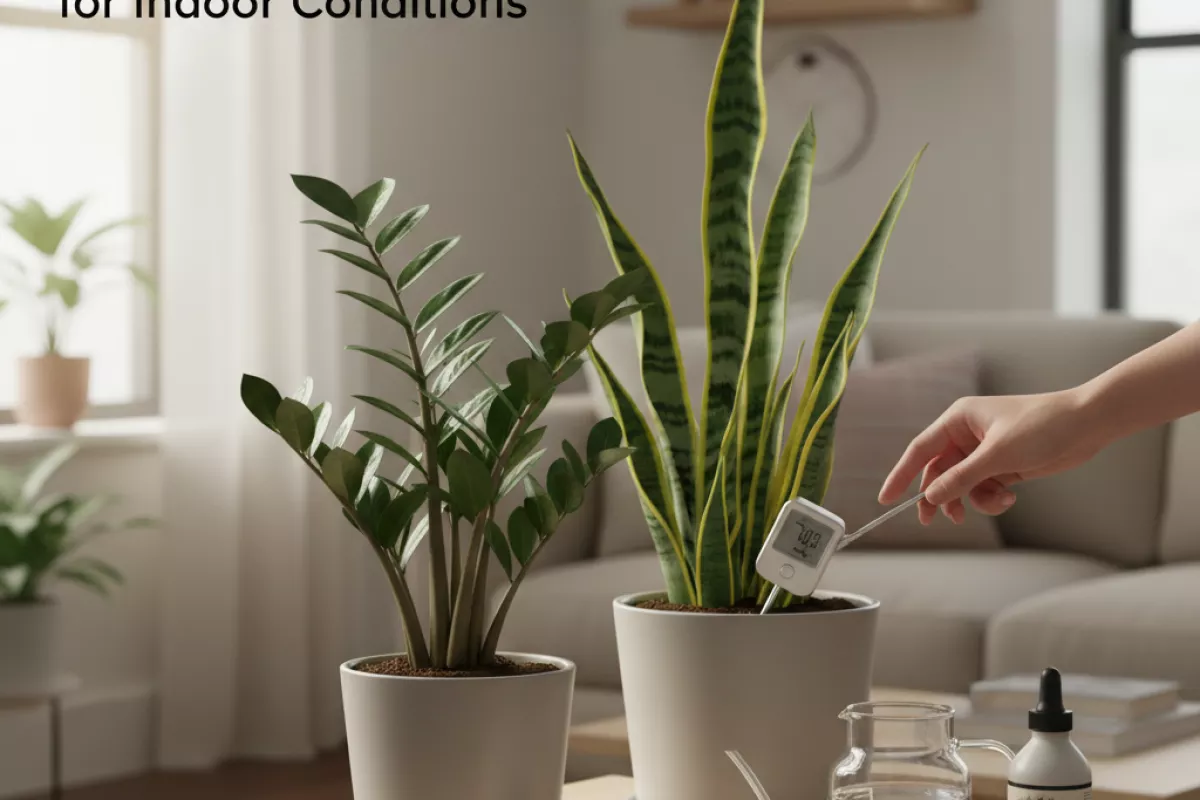
Apartment light is usually weaker and more directional than outdoors, so the goal is to reduce stress: steadier moisture, gentler feeding, and fewer sudden changes. One overlooked factor is container choice — choosing the right pot size for houseplants helps prevent slow-drying soil and root stress in low-light rooms.
- Water by dryness, not by calendar. In lower light, soil dries more slowly. Check the top 2–5 cm (1–2 in) of mix: if it’s still damp, wait. For plants with thicker leaves (ZZ plant, snake plant), let more of the pot dry between waterings.
- Match pot size to root size. Oversized pots stay wet longer indoors. If roots don’t fill the container, consider stepping down to a pot 2–5 cm (1–2 in) wider than the root ball to lower the risk of soggy soil.
- Use a faster-draining mix when light is limited. Add extra perlite or bark to increase airflow. A simple approach is to blend about 1 part perlite to 3 parts potting mix by volume; that’s roughly 250 ml perlite (8.5 fl oz) per 750 ml mix (25 fl oz).
- Rotate for even growth. Turn the pot a quarter turn every 1–2 weeks so stems don’t lean hard toward the brightest side. This matters most for vining plants and anything near a single window.
- Keep leaves clean so they can use what light they get. Dust blocks light. Wipe broad leaves with a damp cloth every 2–4 weeks; for textured leaves, rinse gently with lukewarm water around 20–25°C (68–77°F).
- Adjust feeding down, especially in winter. When growth slows, fertilizer builds up. A common indoor rhythm is feeding at half strength every 4–6 weeks during active growth, then pausing or stretching to every 8–10 weeks in darker months.
- Watch temperature swings near windows and vents. Glass can be cold at night and hot in sun. Try to keep foliage a few centimeters off the pane, roughly 5–15 cm (2–6 in), and avoid direct blasts from heaters or AC.
- Raise humidity only when the plant asks for it. Crispy edges and fast-drying soil can point to dry air. Group plants together or use a humidifier. If you mist, do it lightly and early in the day so leaves dry before night.
- Choose the right “bright spot” indoors. North-facing windows (in the Northern Hemisphere) are often gentle; east-facing gives mild morning light. If a plant stops growing entirely or new leaves get smaller, move it 30–60 cm (12–24 in) closer to the window.
- Handle low-light warning signs quickly. Yellowing plus soft stems often means too much water; long, stretched growth means not enough light. Correct one variable at a time so you can tell what worked.
| Indoor situation | What you’ll notice | Simple adjustment |
|---|---|---|
| Winter heating dries the air | Brown tips, faster soil drying | Group plants or run a humidifier; keep soil evenly moist (not wet) |
| Low light + large pot | Soil stays damp for many days | Downsize the pot or switch to a chunkier, airier mix |
| Plant sits far from a window | Leggy growth, smaller new leaves | Move 30–60 cm (12–24 in) closer, or add a grow light |
| Cold window at night | Leaf spotting or droop after cold snaps | Pull back 5–15 cm (2–6 in) from the glass; avoid drafts |
| Fertilizer buildup in slow season | Leaf edge burn, white crust on soil | Flush with water until it drains freely; reduce feeding frequency |
If you’re unsure which change to make first, start with watering and placement. Those two variables account for most indoor issues with low-light plants, and small adjustments usually show results within 2–4 weeks.
Decorative benefits of shade plants
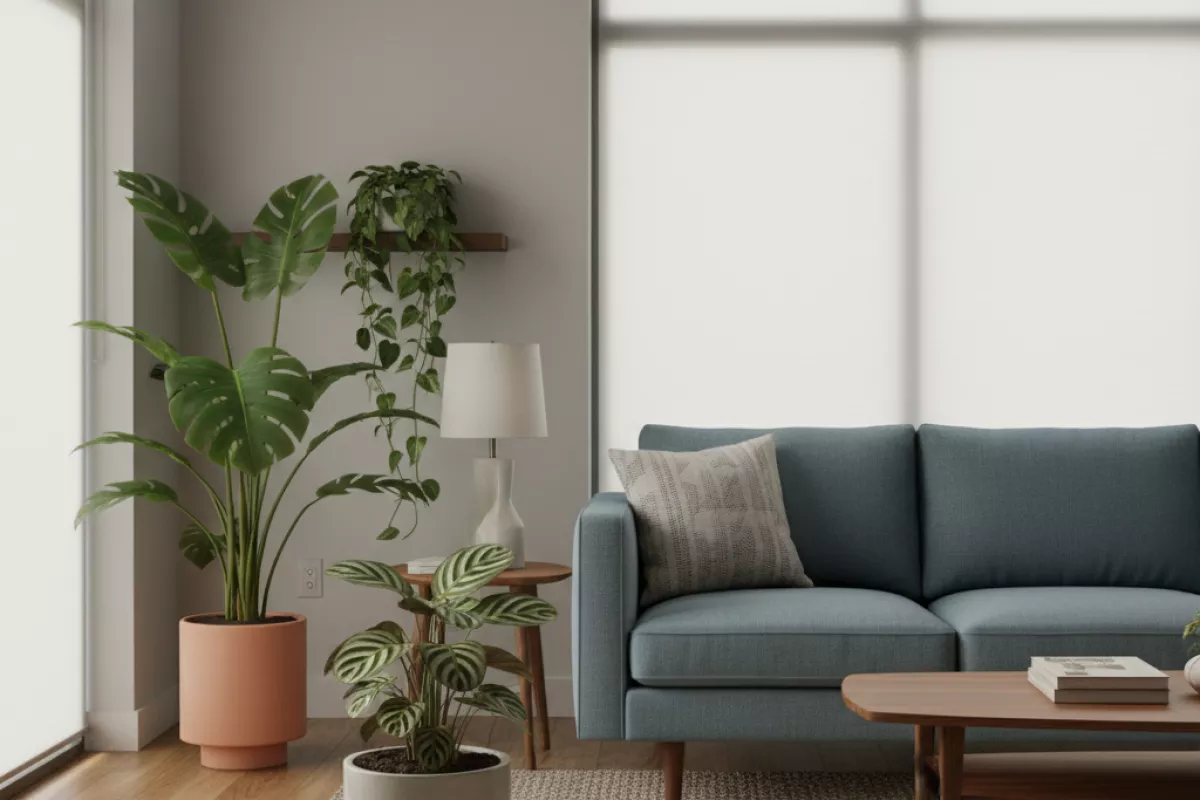
Low-light houseplants do more than “fill a corner.” They soften hard apartment lines, add color where sunlight can’t, and make small rooms feel finished without needing extra furniture. Because many shade-tolerant species keep their leaves year-round, they act like living decor that stays consistent across seasons.
In dimmer spaces, leaf shape and pattern become the main design tools. Broad leaves read as calm and modern, trailing vines add movement, and variegation brings contrast when wall art feels too busy. Even a single plant can change how a room looks by breaking up flat surfaces and adding a natural focal point.
- Creates visual height and structure: Upright plants (like snake plant types) draw the eye up, which can make low ceilings feel taller without adding clutter.
- Softens corners and awkward layouts: A medium floor plant placed 30–60 cm (12–24 in) from a wall can visually “round” harsh angles and make the space feel less boxy.
- Adds texture without extra patterns: Matte leaves, glossy leaves, and ribbed foliage provide interest even in neutral rooms where you want to keep textiles simple.
- Brings color through foliage, not flowers: Deep greens, silvery tones, and cream variegation show up well under lamps, so the room still feels lively at night.
- Helps define zones in open plans: A tall plant beside a desk or sofa subtly marks a “work” or “lounge” area, useful in studios where every square meter (square foot) counts.
- Improves the look of shelves and ledges: Trailing plants can drape 15–30 cm (6–12 in) over an edge to add softness and make bookcases feel less rigid.
- Makes lighting look intentional: Pairing a plant with a floor lamp or warm bulb (around 2700–3000 K) turns a dim corner into a styled vignette rather than a dead zone.
For a cohesive look, repeat one element across the room: similar pot colors, the same leaf finish (all glossy or all matte), or a consistent planter material like terracotta or ceramic. That repetition keeps low-light greenery from feeling like random “extras,” especially in small apartments where every object is noticeable.
Mistakes to avoid in small homes
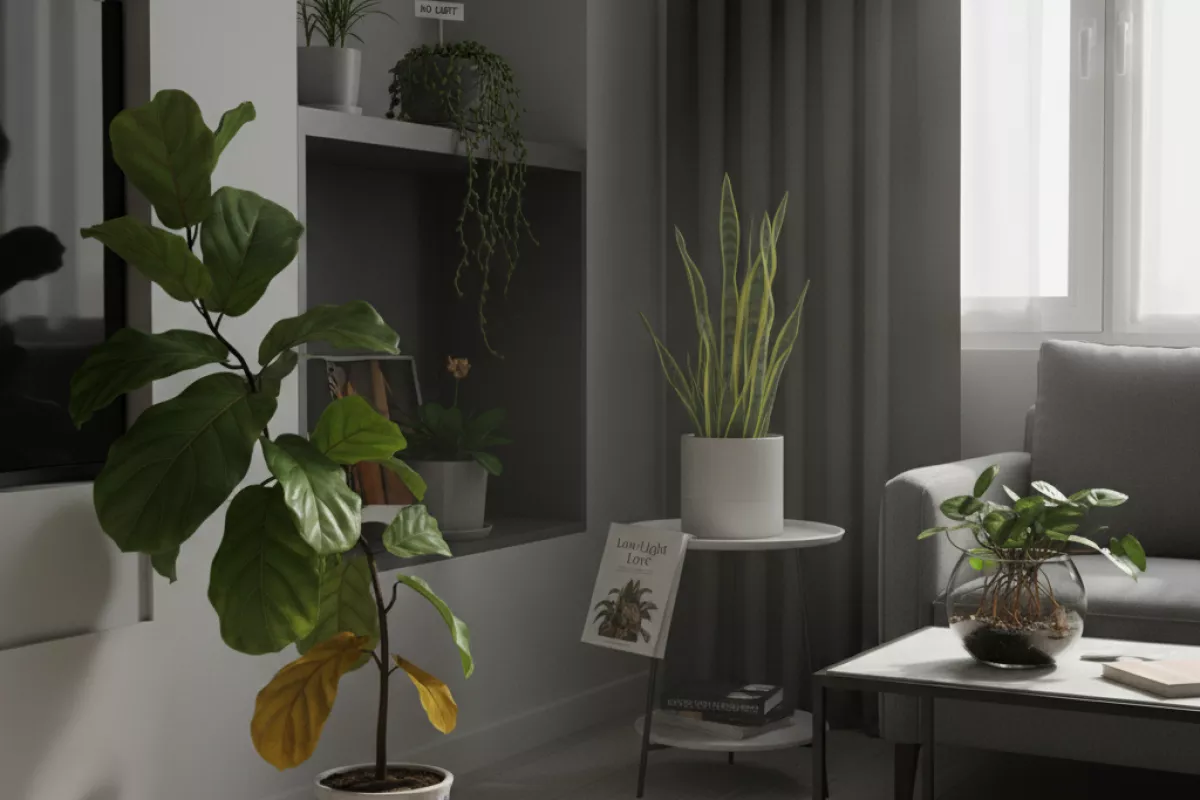
In tight apartments, the biggest plant problems usually come from small mismatches: the wrong pot, the wrong spot, or a care routine that doesn’t fit low light. Understanding how often to water indoor plants is especially important, since low light slows drying and makes overwatering one of the most common causes of failure.
- Assuming “low light” means “no light.” Most shade-tolerant plants still need some brightness to maintain color and steady growth. If a plant is more than 2 m (6.5 ft) from a window, rotate it weekly and consider moving it closer for part of the day.
- Overwatering because growth is slower. In dimmer rooms, soil dries more slowly, so watering on a fixed schedule often leads to soggy roots. Water only when the top 2–5 cm (1–2 in) of mix feels dry, and empty saucers so pots don’t sit in runoff.
- Using oversized pots “to give it room.” Extra soil holds extra moisture, which is risky in small, low-airflow spaces. Choose a container just 2–5 cm (1–2 in) wider than the root ball, and repot only when roots circle the pot or push up the plant.
- Skipping drainage in the name of neatness. Decorative cachepots are great for apartments, but keep the plant in a nursery pot with holes inside the outer pot. If you must plant directly, add a pot with drainage and a matching tray to protect floors and shelves.
- Cramming plants into dark corners to “save space.” Crowding reduces airflow and increases fungus gnats and mildew. Leave at least 5–10 cm (2–4 in) between pots, and avoid pressing leaves against cold windows or walls.
- Letting plants touch heaters or AC vents. Hot, dry blasts or cold drafts can crisp edges fast, especially for tropical foliage. Keep plants at least 30–60 cm (12–24 in) away from vents and radiators.
- Ignoring dust on leaves. In small homes, dust builds quickly and blocks light that plants already have limited access to. Wipe leaves with a damp cloth every 2–4 weeks; for textured leaves, use a soft brush.
- Fertilizing heavily to “make up” for low light. Extra fertilizer can cause weak, leggy growth or salt buildup when light is limited. Feed lightly during active growth (spring/summer) at half strength, and pause in winter if the plant isn’t growing.
- Choosing plants that outgrow the space. Some “easy” options get tall or wide over time. If you need a compact footprint, pick naturally smaller varieties or be ready to prune and propagate regularly.
- Not quarantining new plants. In a studio or small bedroom, pests spread quickly. Keep new arrivals separate for 7–14 days, check leaf undersides, and treat early if you spot webbing, sticky residue, or speckling.
If you’re unsure which issue you’re dealing with, look for patterns: yellowing with soft stems often points to excess water, while pale new growth and long gaps between leaves usually means the plant wants brighter indirect light.