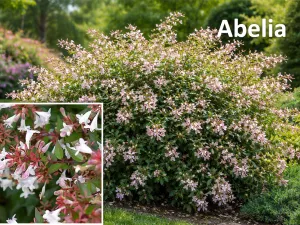
Aphids on Ornamental Shrubs – Practical Solutions

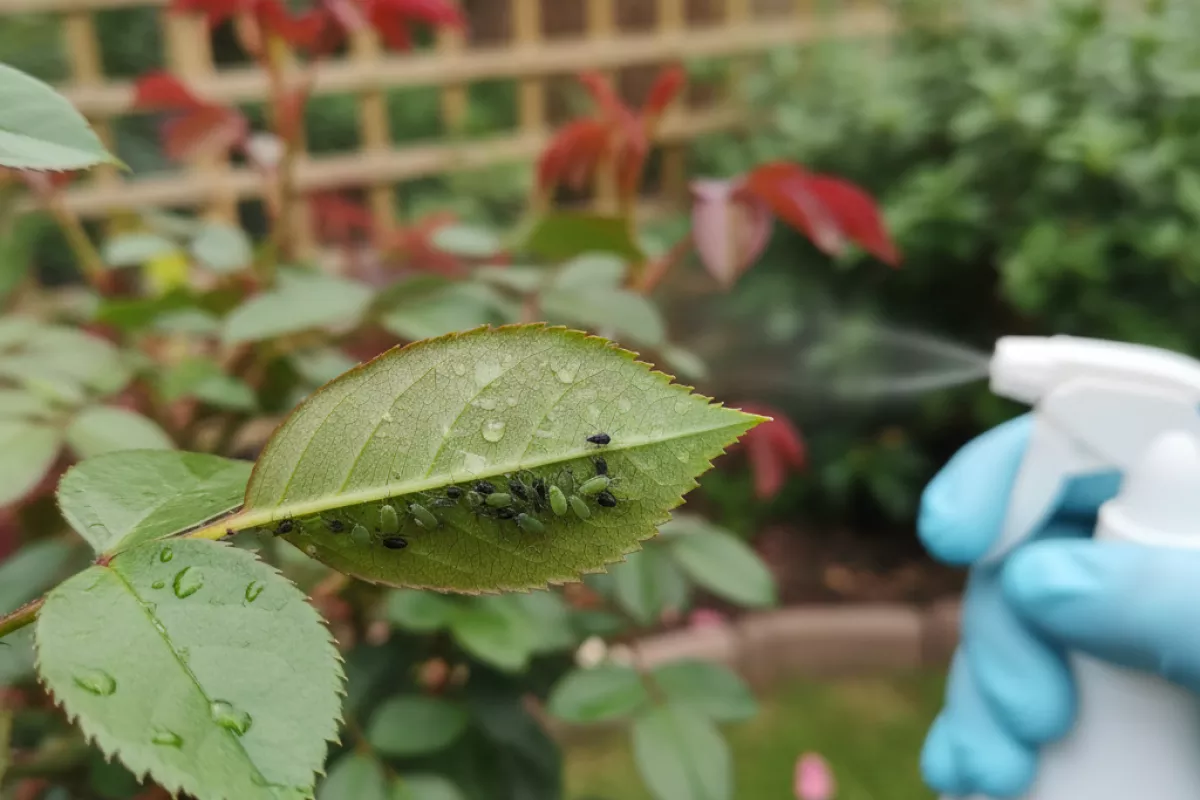 Explains why shrubs attract aphid colonies, how to spot infestations on woody plants, and how damage changes plant appearance. Covers best treatment methods, pruning as control, a seasonal monitoring routine, and long-term protection to prevent repeat outbreaks.
Aphid infestations on ornamental shrubs can feel relentless when tender shoots curl and leaves become sticky with honeydew. Fortunately, you can usually regain control with a few timely, low-impact actions. Start by blasting colonies off with water, pruning heavily infested tips, and encouraging beneficial insects. If needed, follow up with insecticidal soap or horticultural oil to protect plant health.
Why shrubs attract aphid colonies
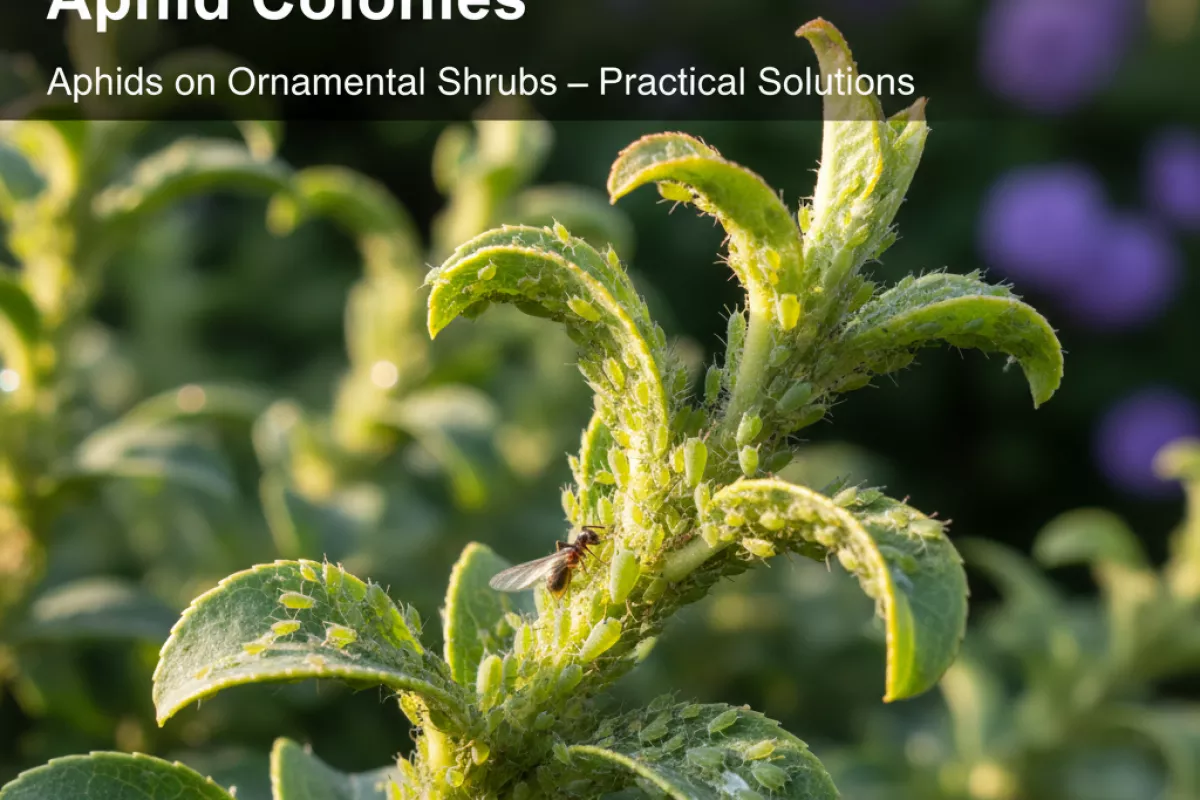
Aphids don’t show up at random. They build up on ornamental shrubs when the plant offers an easy food source, tender growth to pierce, and a sheltered spot where predators and weather don’t thin them out fast enough. Many landscape shrubs unintentionally provide all three, especially during spring flushes and after heavy feeding.
- Soft, nutrient-rich new growth: Fresh shoots and unfolding leaves have thinner cell walls and higher concentrations of sugars and amino acids in the sap. That makes it easier for aphids to feed and reproduce quickly.
- High nitrogen (fertilizer or rich soil): Extra nitrogen pushes lush, juicy growth. It can also increase free amino acids in plant sap, which improves aphid survival and speeds population growth.
- Dense branching that creates a “calm zone”: Tight canopies reduce wind and buffer temperature swings, helping colonies stay attached and protected. The interior of a shrub can be a safe pocket even when the outer leaves get washed by rain.
- Stressed plants with disrupted defenses: Drought, heat, root damage, or transplant shock can weaken natural resistance. Stressed shrubs may also have uneven sap flow, and aphids often concentrate on the most vulnerable shoots.
- Ant activity that “farms” honeydew: Ants feed on the sugary honeydew aphids produce. In exchange, ants may chase off lady beetles, lacewing larvae, and other beneficial insects, allowing the infestation to expand.
- Protected micro-sites on the plant: Curling leaves, tight buds, and the undersides of foliage hide aphids from sprays and from many predators. Once leaves distort, colonies can persist even if the rest of the shrub looks fine.
- Nearby host plants and repeat pressure: Some species move between hosts seasonally, and many simply spread from adjacent plants. If the same shrubs get hit each year, it’s often because the surrounding landscape keeps providing a steady source of new colonists.
| Shrub condition or feature | What it does for aphids | What you’ll usually notice |
|---|---|---|
| Heavy nitrogen feeding | Boosts tender growth and sap quality | Rapid colony growth on tips; lots of sticky honeydew |
| Spring flush / post-pruning regrowth | Provides easy-to-pierce tissues | Clusters on new shoots; curled leaves forming |
| Dense, unthinned canopy | Shelters colonies from wind, rain, and predators | Infestations concentrated inside the shrub |
| Drought or heat stress | Weakens plant defenses and recovery | Wilting plus aphids on the few still-tender shoots |
| Ant trails on stems | Reduces natural biological control | Ants moving up and down; predators oddly scarce |
| Leaf curl or tight buds | Creates protected feeding pockets | Distorted leaves that hide insects from view and sprays |
In practice, it’s usually a combination: a shrub pushes soft growth, ants protect the colony, and the interior canopy stays calm and shaded. Noticing which of these factors is present on your plants helps you choose a fix that actually changes the conditions aphids are exploiting, rather than just knocking them back for a week.
Signs of infestation on woody plants
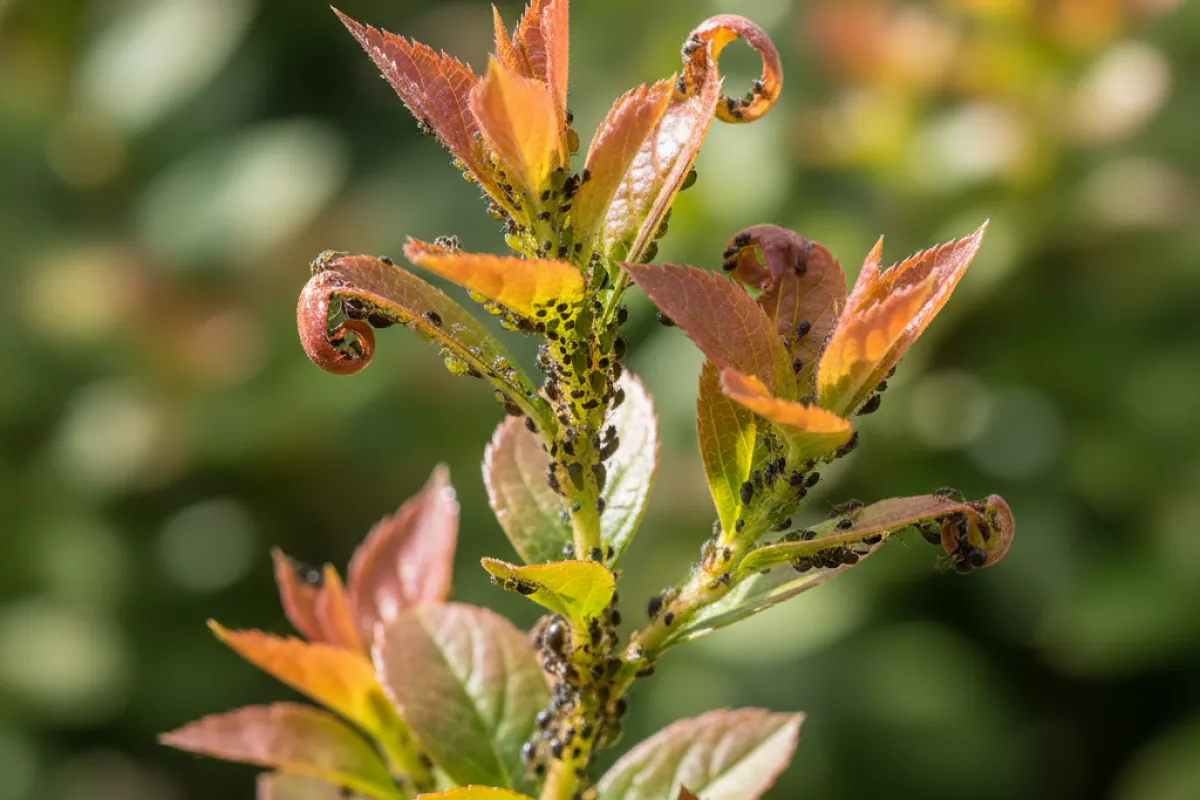
Look first at the newest growth. Aphids prefer tender tips, so early clues show up on fresh leaves, soft stems, and developing buds before older wood looks “wrong.” A quick check with your fingers and eyes usually tells you whether you’re dealing with sap-suckers or something else.
- Clusters of small insects on shoot tips and undersides of leaves: You may see green, black, brown, or pinkish bodies packed together, often around buds and leaf petioles. Ants traveling up and down stems are a common companion clue.
- Leaf curl, puckering, or cupping: New leaves may twist or fold inward, creating sheltered pockets where colonies hide. Distortion is often strongest near the ends of branches.
- Sticky honeydew on leaves and nearby surfaces: A tacky coating on foliage, patio furniture, cars, or the ground under the shrub points to heavy feeding. Touch a leaf; if it feels shiny and sticky, honeydew is likely.
- Sooty mold (black, wipeable film): This fungus grows on honeydew, turning leaves and stems dark. It looks alarming but is usually superficial; it signals ongoing sap feeding rather than a primary leaf disease.
- Stunted or uneven new growth: Tips may elongate slowly, produce smaller leaves, or form weak, thin shoots. Buds can fail to open or open poorly.
- Yellowing or speckling: Some shrubs show chlorosis or pale mottling where feeding is concentrated, especially on stressed plants or during hot, dry spells.
- Cast skins (white flakes): As aphids molt, they leave papery, pale shells stuck to leaf surfaces or caught in curled foliage.
- Dieback on tender tips: Severe infestations can cause soft shoot tips to brown and dry, particularly on young plantings or container shrubs.
| What you notice | What it usually suggests | Quick check to confirm |
|---|---|---|
| Sticky leaves or droplets below the canopy | Honeydew from sap-feeding insects (often aphids) | Inspect undersides of new leaves; look for soft-bodied insects and ants tending them |
| Black film on leaves that smears when rubbed | Sooty mold growing on honeydew | Wipe with a damp cloth; then search for colonies on nearby tender growth |
| New leaves curled into tight tubes or pockets | Feeding on expanding tissue; colonies hidden inside | Gently open a curled leaf; check for insects and pale shed skins |
| Many ants on stems but few visible pests | Ants may be “farming” aphids for honeydew | Follow ant trails to shoot tips and leaf axils; use a hand lens if needed |
If you’re unsure, do a simple count on a few shoots: choose 3 to 5 tips around the shrub and look at the newest 10 cm (4 in) of growth on each. Finding multiple clusters across the plant usually means the population is established and worth addressing promptly.
How damage affects plant appearance
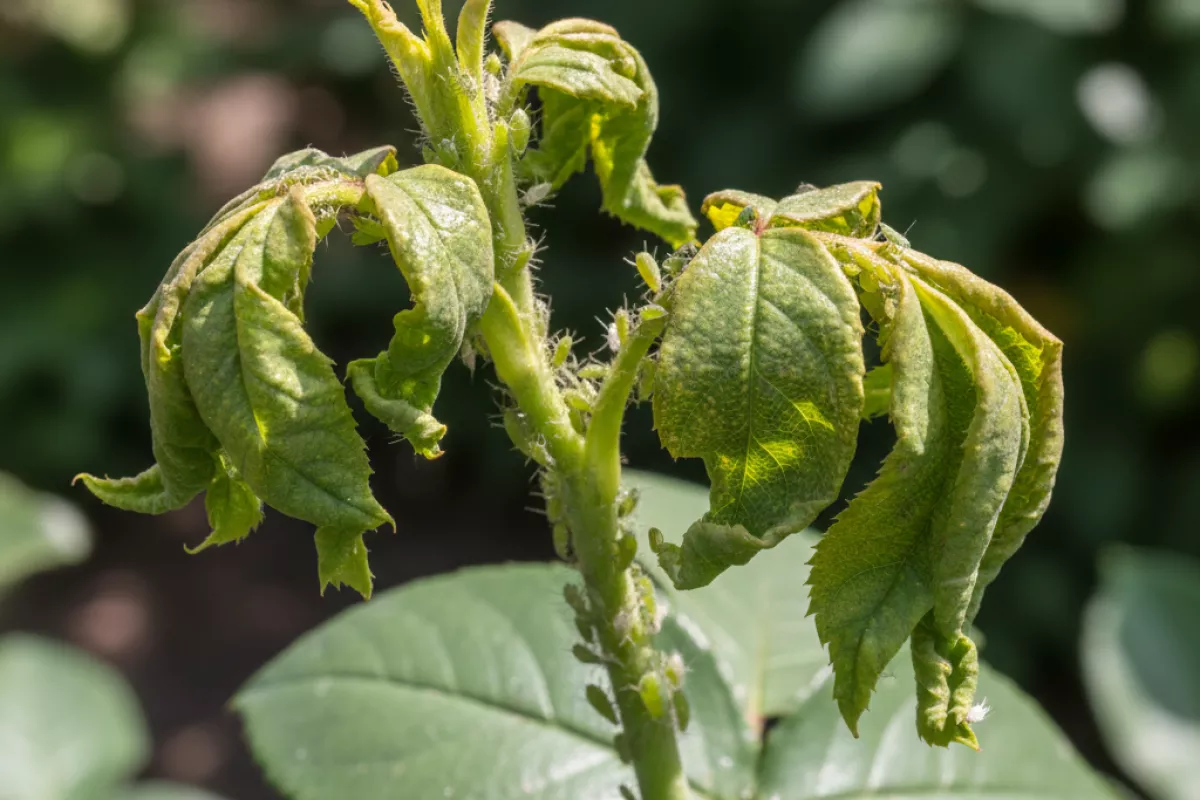
Feeding aphids change how shrubs look because they tap into tender growth and remove plant sap. The first signs are usually subtle: new leaves don’t expand normally, tips look slightly tired, and the plant can seem “off” even when the soil is moist.
- Leaf curl and puckering: New leaves may twist, cup, or crinkle as insects feed on developing tissue. On ornamentals like viburnum, spirea, and roses, this distortion often shows up at the shoot tips first.
- Yellowing and stippled, uneven color: Sap loss can lead to pale patches or a general washed-out look, especially on fresh growth. Older leaves may look fine while the newest leaves appear mottled.
- Stunted shoots and “bunched” growth: Tips may stay short and crowded, creating a tight rosette or witchy, clustered look. This is common when colonies build up early in the season.
- Sticky surfaces from honeydew: Aphids excrete sugary honeydew that makes leaves and stems feel tacky. You may also notice shiny spots on foliage, patio furniture, cars, or anything under the shrub canopy.
- Sooty mold coating: Black, smudgy fungus can grow on honeydew. It doesn’t invade plant tissue, but it blocks light and makes leaves look dirty, dull, and unhealthy.
- Ant activity as a visual clue: Trails of ants moving up and down stems often mean they’re “farming” honeydew. Ant presence doesn’t prove damage, but it’s a strong hint to inspect the undersides of leaves.
- Deformed buds and poor flowering: On flowering shrubs, buds can be misshapen or fail to open fully. Blooms may be smaller, fewer, or short-lived when infestations hit during bud formation.
- Speckled shed skins and visible clusters: As aphids grow, they leave behind pale cast skins that look like tiny flakes. Heavy groups may be obvious on stems and leaf undersides, often concentrated on the softest growth.
Not every shrub reacts the same way. Fast-growing plants can hide minor feeding and outgrow it, while slow growers may show distortion for weeks because damaged leaves don’t “flatten out” later.
If you’re unsure whether you’re seeing aphid injury or something else, check where the symptoms are strongest. Problems that concentrate on tender tips, with sticky residue and ants nearby, are more consistent with aphids than with drought stress or nutrient issues, which usually affect the plant more evenly.
Best treatment methods for shrubs
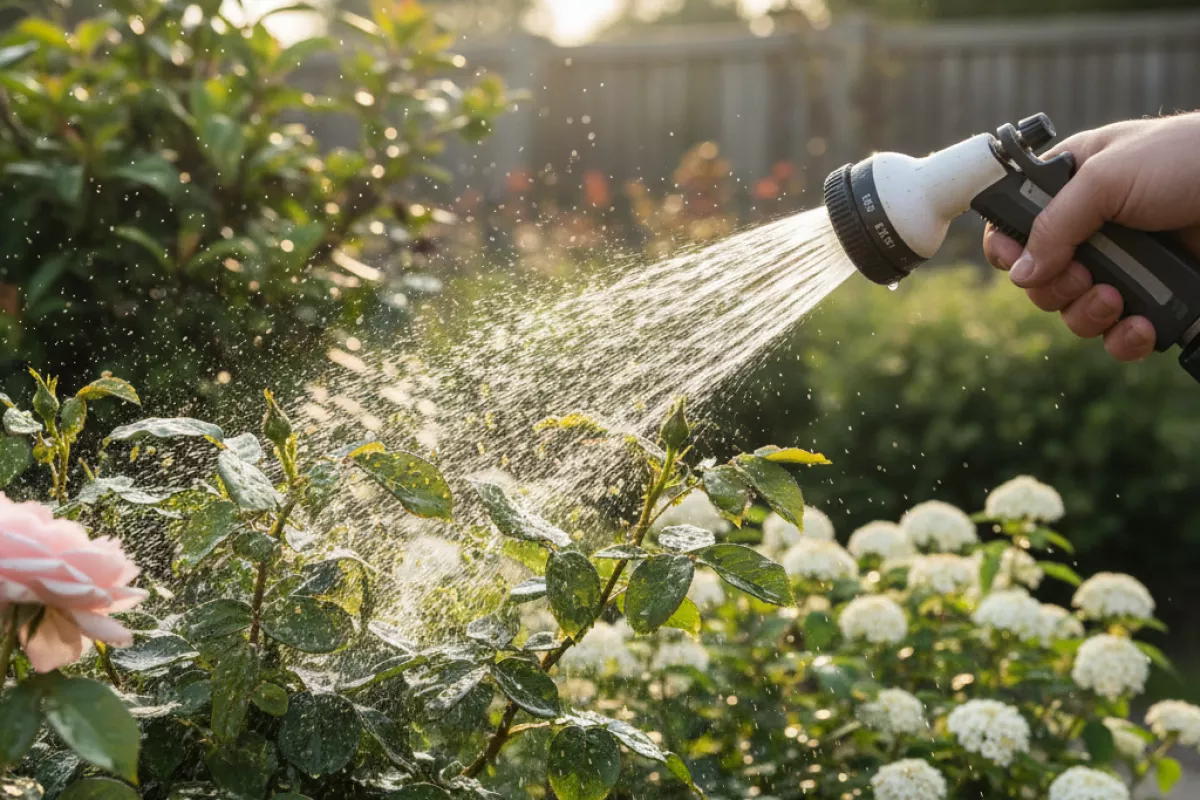
Start with the least disruptive option and escalate only if the colony keeps rebuilding. On ornamental shrubs, the goal is to knock aphids off tender growth, protect beneficial insects, and prevent repeat flare-ups on new shoots.
- Blast them off with water (fast knockdown)
A firm spray from a hose dislodges most aphids, especially on roses, viburnum, and spirea. Aim at the undersides of leaves and soft tips. Repeat every 2–3 days until numbers stay low. Water early in the day so foliage dries before evening.
- Prune the worst hotspots (reduce the breeding engine)
If a few shoot tips are heavily curled or sticky, clip and discard them rather than treating the whole plant. Remove about 5–10 cm (2–4 in) of infested new growth. Bag the cuttings and dispose of them; don’t compost if aphids are still active.
- Use insecticidal soap (contact control)
Soap works best when it directly wets the insects. Spray thoroughly, including leaf undersides, and reapply in 5–7 days if you still see live aphids. Test on a small section first, and avoid applying in hot sun or when temperatures are above 29°C (85°F) to reduce leaf burn risk.
- Apply horticultural oil or neem oil (smothering + some residual)
Oils can suppress aphids and help with sooty mold by reducing honeydew producers. Coat surfaces evenly; incomplete coverage leads to quick rebound. Apply during mild conditions, ideally 10–27°C (50–80°F). Avoid spraying drought-stressed shrubs, and don’t combine oil with sulfur-based products.
- Encourage natural predators (long-term balance)
Lady beetles, lacewings, hoverfly larvae, and tiny parasitic wasps often clean up colonies if broad-spectrum pesticides aren’t used. Leave a small “buffer” of lightly infested growth when possible so predators have food, and avoid dusting plants (dust interferes with beneficials and favors pests).
- Address ants that “farm” aphids (prevents rapid reinfestation)
If ants are running up and down stems, they may be protecting aphids from predators. Use sticky barriers on trunks or main stems (where appropriate) and trim branches that touch walls or the ground to remove ant bridges. Reducing ant traffic often makes other treatments work better.
- Spot-treat with a targeted insecticide only when necessary
If the shrub is declining and softer methods aren’t keeping up, choose the most selective product available and treat only affected areas. Apply at dusk to limit impact on pollinators, and avoid spraying open blooms. Follow the label for mixing rates and retreatment intervals; more product rarely means better control.
Tip for preventing repeat outbreaks: avoid pushing lush, aphid-prone growth with high-nitrogen fertilizer. If feeding is needed, use a balanced, slow-release option and water consistently so the plant doesn’t swing between stress and flushes of tender new shoots.
| Method | When it works best | Pros | Watch-outs |
|---|---|---|---|
| Water spray | Early infestations; accessible shrubs | No residue; safe for beneficials | Needs repeat applications; may miss hidden colonies |
| Pruning | Localized clusters on shoot tips | Immediate reduction; improves airflow | Too much removal can stress the plant or reduce blooms |
| Insecticidal soap | Moderate infestations on leaves and stems | Selective; minimal persistence | Must hit aphids directly; leaf burn possible in heat above 29°C (85°F) |
| Horticultural/neem oil | Repeated flare-ups; honeydew/sooty mold situations | Good coverage control; can suppress multiple soft-bodied pests | Temperature-sensitive; avoid stressed plants and incompatible products |
| Predators/parasitoids | Ongoing, low-to-moderate pressure | Self-sustaining control; protects plant health long-term | Slower results; harmed by broad-spectrum sprays |
| Targeted insecticide (spot use) | Severe infestations threatening plant vigor | Fast reduction when other steps fail | Can disrupt beneficials; avoid blooms and follow label timing |
If you’re unsure whether treatment is still needed, check new growth weekly: look for curled tips, clusters on stems, and sticky honeydew on leaves below. When you consistently find only a few individuals and predators are present, it’s usually better to stop spraying and let the shrub recover.
Pruning as a control strategy
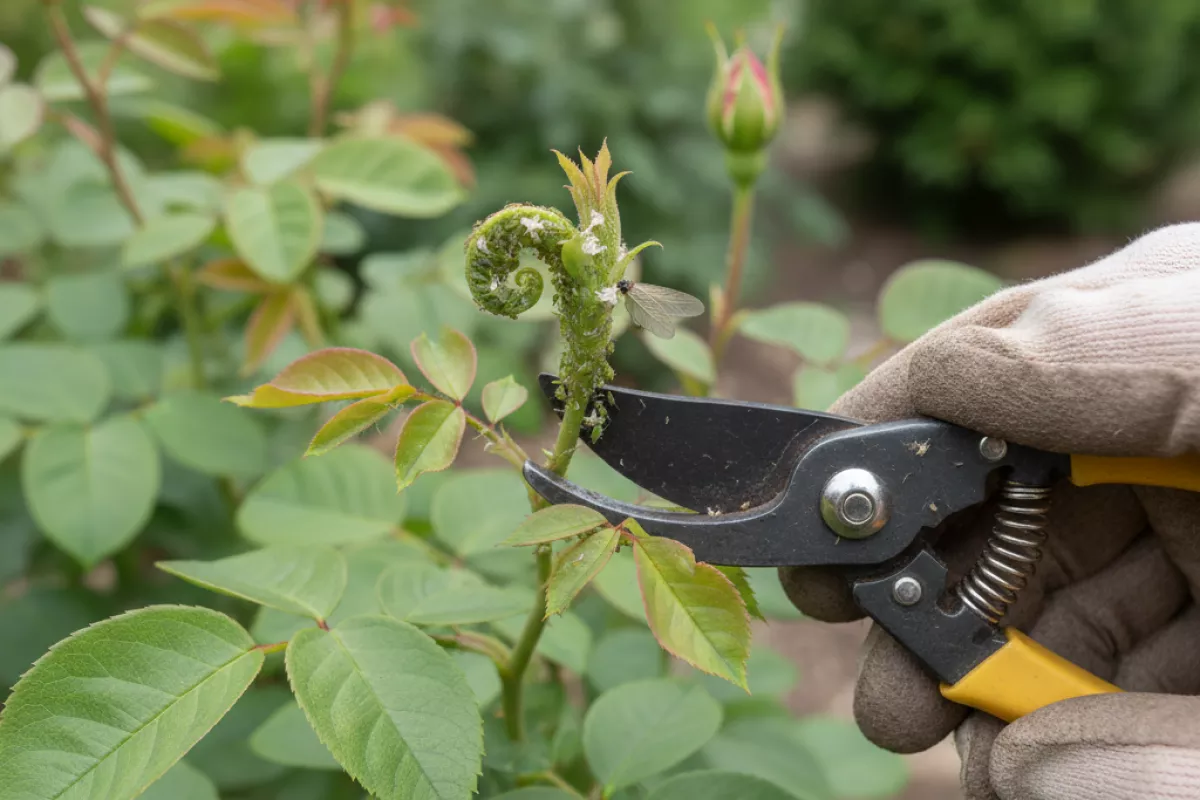
Cutting out the worst-infested growth is one of the fastest ways to knock back aphid numbers on ornamental shrubs, especially when colonies are clustered on tender shoot tips. It also removes curled leaves that shelter insects from sprays and predators, making any follow-up control more effective.
Focus on targeted, light removal rather than heavy shearing. Aphids concentrate where sap is richest: new stems, soft tips, and crowded interior growth with poor airflow.
- Start with the “hot spots.” Snip off heavily colonized tips, curled leaves, and distorted buds. If you can remove the core of the infestation in a few cuts, you often avoid broader treatments.
- Prune for airflow and light. Thin crossing or congested stems to open the canopy. Better air movement helps leaves dry faster and makes it harder for aphids to build protected pockets.
- Keep cuts small and selective. Removing too much soft growth can trigger a flush of new shoots, which are prime feeding sites and can lead to a rebound.
- Time it with plant growth. Early in the season, removing a few shoot tips can prevent large colonies from forming. Later, concentrate on isolated clusters rather than reshaping the whole shrub.
- Bag and discard infested trimmings. Don’t drop them at the base of the plant. Seal prunings in a bag for trash or hot composting; avoid “cool” piles where insects may survive.
- Clean tools between shrubs. Wipe blades with 70% isopropyl alcohol (or 10% bleach solution) to reduce spread of plant viruses that aphids can transmit.
| Situation on the shrub | What to prune | Why it helps | What to watch for next |
|---|---|---|---|
| Colonies packed on soft shoot tips | Remove the top 5–10 cm (2–4 in) of the most infested tips | Eliminates the densest populations quickly | New tender regrowth; check weekly for reinfestation |
| Leaves curled or puckered around insects | Clip off curled leaves and distorted clusters | Removes sheltered aphids that sprays can’t reach | Look for ants and sticky honeydew on nearby leaves |
| Dense interior growth with scattered aphids | Thin a few stems to open the center (selective thinning cuts) | Improves airflow and access for natural enemies | Don’t over-thin; avoid sunscald on shade-adapted shrubs |
| One branch is heavily infested, rest is clean | Remove the single problem branch back to a healthy junction | Stops spread without stressing the whole plant | Inspect adjacent shoots for “starter” colonies |
After pruning, rinse remaining foliage with a strong stream of water and recheck in 3–7 days. If aphids return on fresh growth, treat only the affected areas rather than the entire shrub, and avoid high-nitrogen fertilizing that can push lush, aphid-friendly shoots.
Seasonal monitoring routine
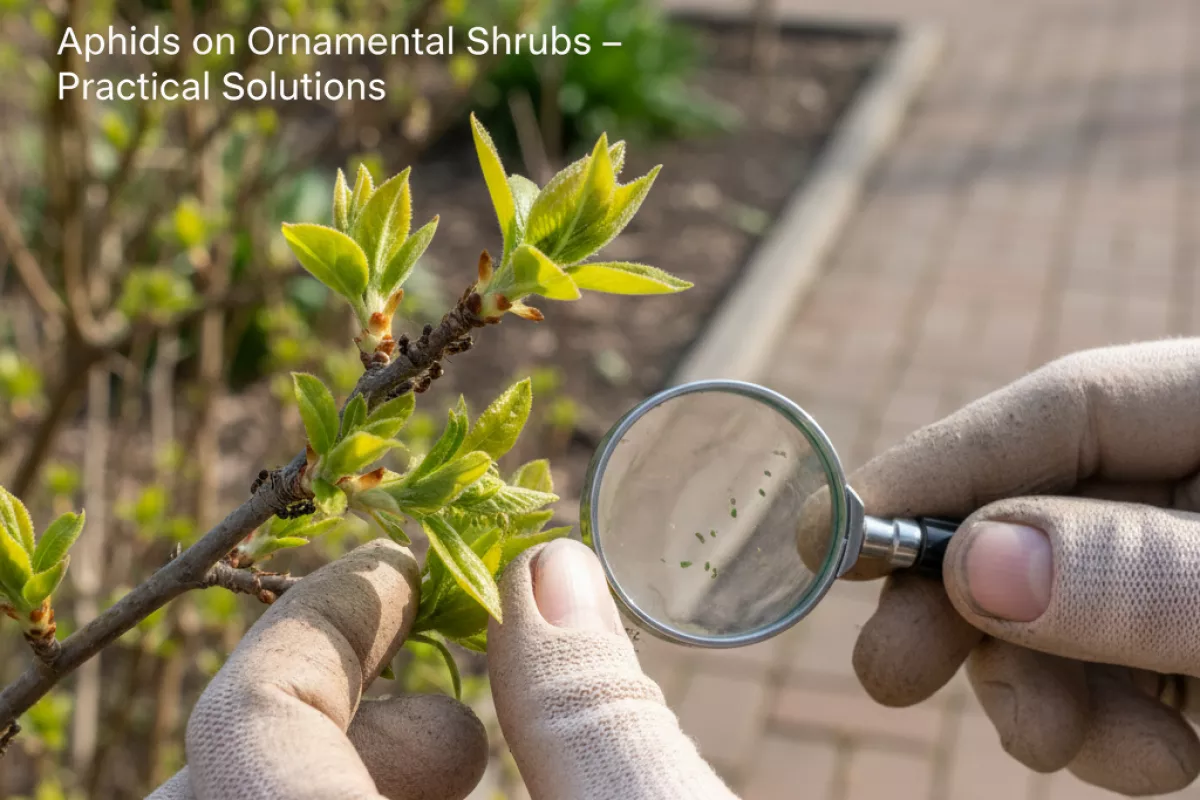
Catch aphids early by checking shrubs on a predictable schedule and focusing on the plant parts they prefer: tender new growth, flower buds, and the undersides of leaves. A quick, repeatable inspection beats occasional long “deep dives,” because colonies can build fast when conditions are mild.
| Time of year | What to look for | How often to check | What to do if you find them |
|---|---|---|---|
| Late winter to early spring | Overwintering eggs on twigs, early clusters on swelling buds, ants starting to patrol stems | Every 7–10 days | Prune out heavily infested tips; knock small groups off with a firm water spray; note where ants are active so you can manage them later |
| Mid to late spring (peak new growth) | Curled leaves, sticky honeydew, shiny black sooty mold, pale or distorted shoots, lady beetles/hoverfly larvae nearby | Twice weekly during flushes of growth | Start with water sprays and spot-pruning; if numbers keep rising, use insecticidal soap or horticultural oil on the undersides of leaves and tender tips |
| Summer (heat and drought periods) | Hot spots on shaded inner growth, aphids on succulent regrowth after pruning, stressed plants attracting pests | Weekly; every 3–4 days during heat waves | Prioritize plant stress reduction (deep watering, mulch) and targeted treatments only where colonies persist; avoid broad-spectrum insecticides that disrupt predators |
| Early fall (second flush on some shrubs) | Fresh soft growth, renewed honeydew, ants returning, aphids moving to new shoots | Every 7 days until growth hardens off | Repeat gentle controls; remove water sprouts and overly lush shoots that act as magnets; keep monitoring beneficial insects before intervening |
| Late fall | Declining colonies, eggs laid on stems, lingering sooty mold on leaves and branches | Every 2–3 weeks until leaf drop (for deciduous shrubs) | Clean up fallen leaves; wash off honeydew residue with water; plan dormant-season pruning to improve airflow and access next year |
- Use a consistent sampling method: check 5–10 shoots per shrub, including one from the shaded interior and one from the sunniest side.
- Flip leaves, don’t just glance: most aphids sit on the underside near veins and on the newest tips.
- Track “pressure,” not perfection: a few aphids with plenty of predators usually resolves without intervention; expanding clusters, curling, and sticky residue signal it’s time to act.
- Time sprays for best coverage: treat in the cool part of the day, and recheck after 2–3 days; repeat if needed after 5–7 days, following label directions.
- Watch for ant activity: if ants are farming aphids, control is harder; reduce ant access so natural enemies can work.
If you want a simple rule of thumb: increase inspection frequency whenever you see a burst of soft new growth or prolonged mild weather around 15–25°C (59–77°F). Those are the windows when aphid populations tend to surge on ornamental shrubs.
Long-term protection measures
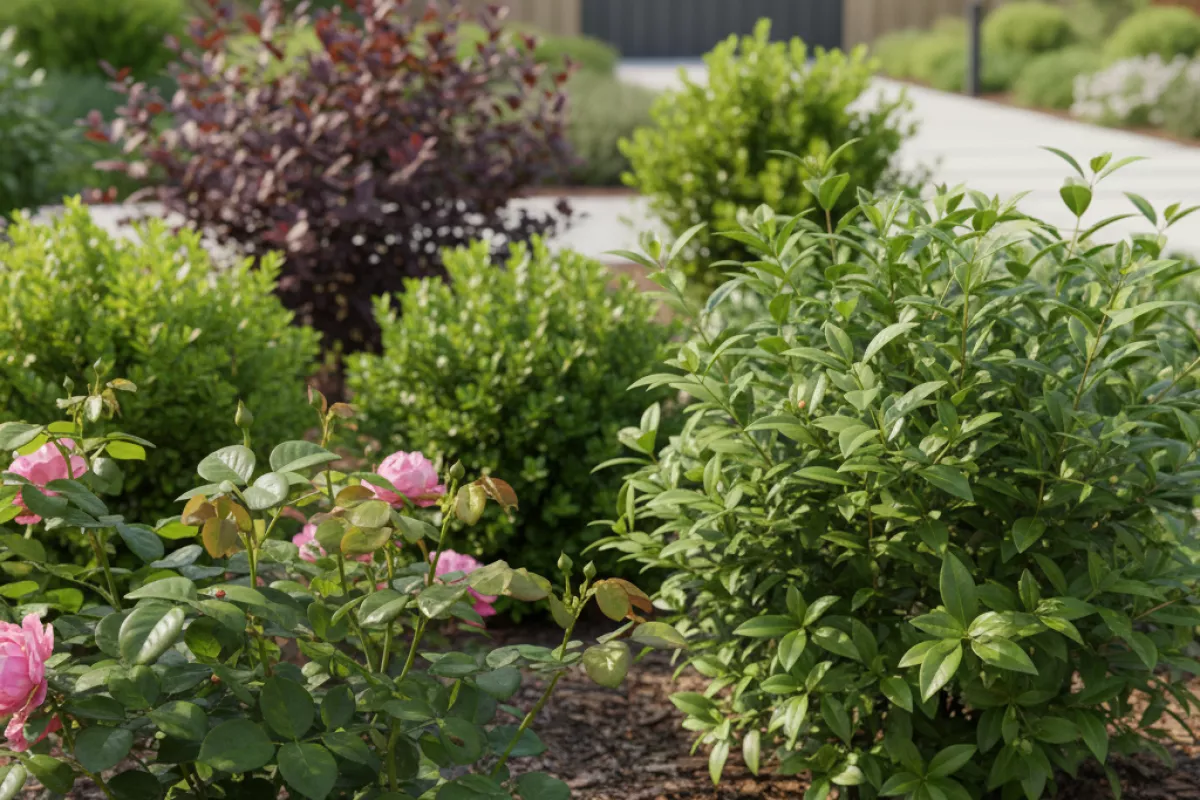
Keep infestations from becoming a yearly routine by making shrubs less inviting to sap-suckers and more supportive of natural predators. The goal is steady plant health and early interruption of small colonies before they spread to new shoots.
- Choose resilient plants and place them well. When adding new ornamentals, favor varieties known for tougher foliage and steady growth. Give shrubs enough light and airflow so stems dry quickly after rain or irrigation; crowded, shaded growth tends to stay soft and attractive to aphids.
- Feed for balance, not speed. Avoid heavy nitrogen pushes that produce lots of tender, juicy tips. If you fertilize, use moderate rates and split applications; slow, even growth is less likely to trigger outbreaks than a flush of new shoots.
- Water consistently and protect roots. Drought-stressed shrubs often respond with weak growth and distorted leaves. Water deeply at the root zone and add a mulch layer around 5–8 cm (2–3 in) thick, keeping it a few cm (about 1 in) away from the stems to reduce rot and pest hiding spots.
- Prune with a prevention mindset. Remove crowded interior twigs and overly soft, sappy tips during routine pruning. If you spot a small cluster on a few shoots, clip and discard those parts promptly rather than treating the whole plant.
- Ant control matters. Ants “farm” aphids for honeydew and will chase off lady beetles and other helpers. Reduce ant traffic by trimming branches that touch walls or fences and using sticky barriers on trunks where appropriate (apply to a wrap, not directly to bark).
- Encourage beneficial insects. Keep a mix of flowering plants nearby so predators and parasitoids have nectar and pollen when aphid numbers are low. Leave some undisturbed areas in the garden, and avoid broad-spectrum insecticides that wipe out the insects that naturally keep colonies in check.
- Monitor on a simple schedule. Check tender new growth weekly in spring and early summer, then every 2 weeks as growth hardens. Look under leaves, along stems, and around buds; catching the first few individuals is far easier than dealing with curled leaves full of hidden pests.
- Use “soft” interventions first. A firm water spray can knock many aphids off stems, and insecticidal soap or horticultural oil can be reserved for repeat trouble spots. Apply in mild conditions (avoid heat and strong sun) and cover leaf undersides where insects hide.
| Habit to build | When to do it | Why it helps |
|---|---|---|
| Inspect new growth and leaf undersides | Weekly during spring flush; every 2 weeks later | Stops colonies before leaves curl and shelter them |
| Moderate fertilizing (avoid high nitrogen surges) | At the start of growth; split doses if needed | Less tender growth means fewer easy feeding sites |
| Maintain mulch 5–8 cm (2–3 in) and deep watering | Refresh mulch in spring; water during dry spells | Reduces stress that can make shrubs more vulnerable |
| Thin crowded branches and remove infested tips | Routine pruning; immediately when clusters appear | Improves airflow and physically removes hotspots |
| Limit ants on shrubs | Whenever ant trails are visible | Predators can work undisturbed when ants aren’t guarding aphids |
| Protect beneficial insects (avoid broad-spectrum sprays) | All season, especially during bloom | Long-term biological pressure keeps outbreaks smaller |
If you’ve had repeat problems on the same shrub, treat it like a “sentinel” plant: monitor it first each week, keep its growth steady (not overly lush), and respond early with pruning or a water blast. Over a season, these small habits usually reduce how often you need any spray at all.