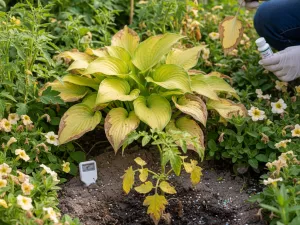
New Leaves Turning Yellow Instead of Green

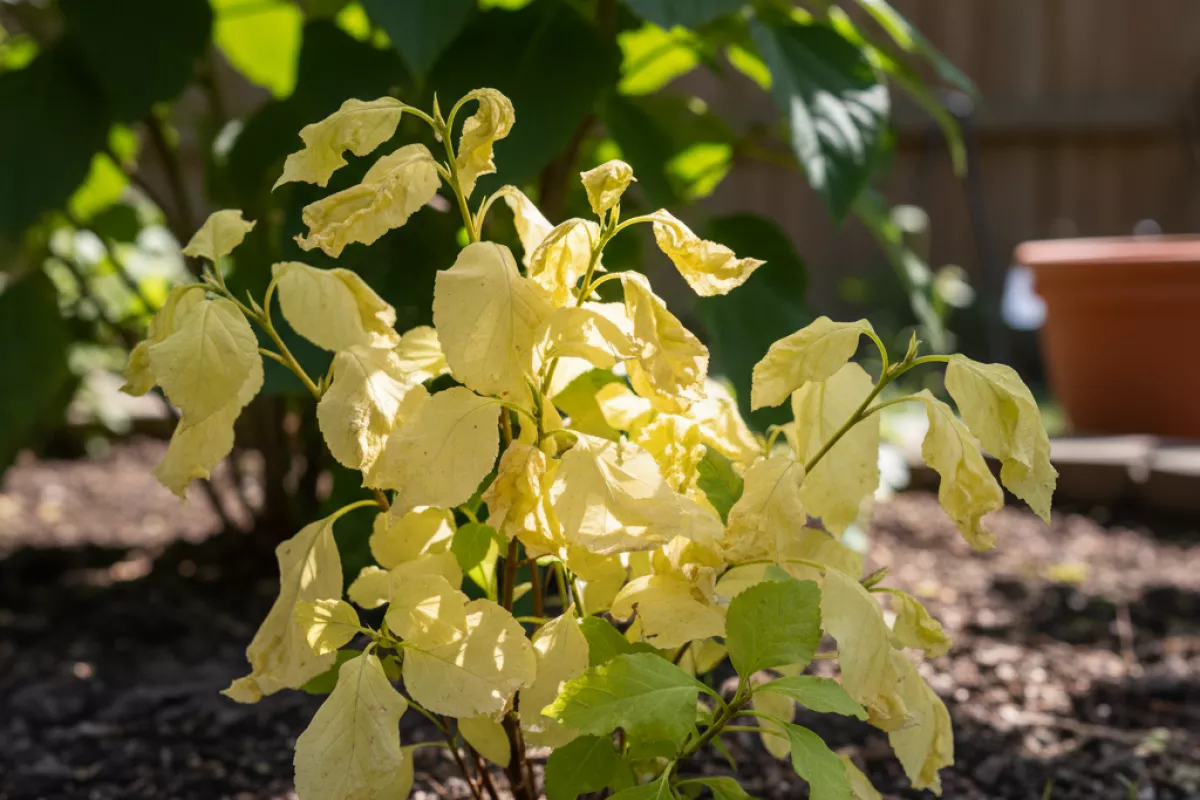 Explains what pale new growth usually signals, including micronutrient shortages, root damage, and soil pH effects. Shows how to tell iron deficiency from nitrogen deficiency, then outlines steps to restore healthy green leaves and prevent the problem in future growth cycles.
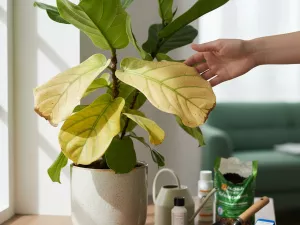
Pale or yellow new growth usually means the plant isn’t producing enough chlorophyll. Common causes include light that’s too weak, overwatering or poor drainage that stresses roots, or nutrient problems such as low iron or nitrogen, often made worse by an off pH. Check light levels, let the soil dry slightly between waterings, improve airflow and drainage, and feed with a balanced fertilizer or chelated iron if needed.
What pale new growth usually indicates
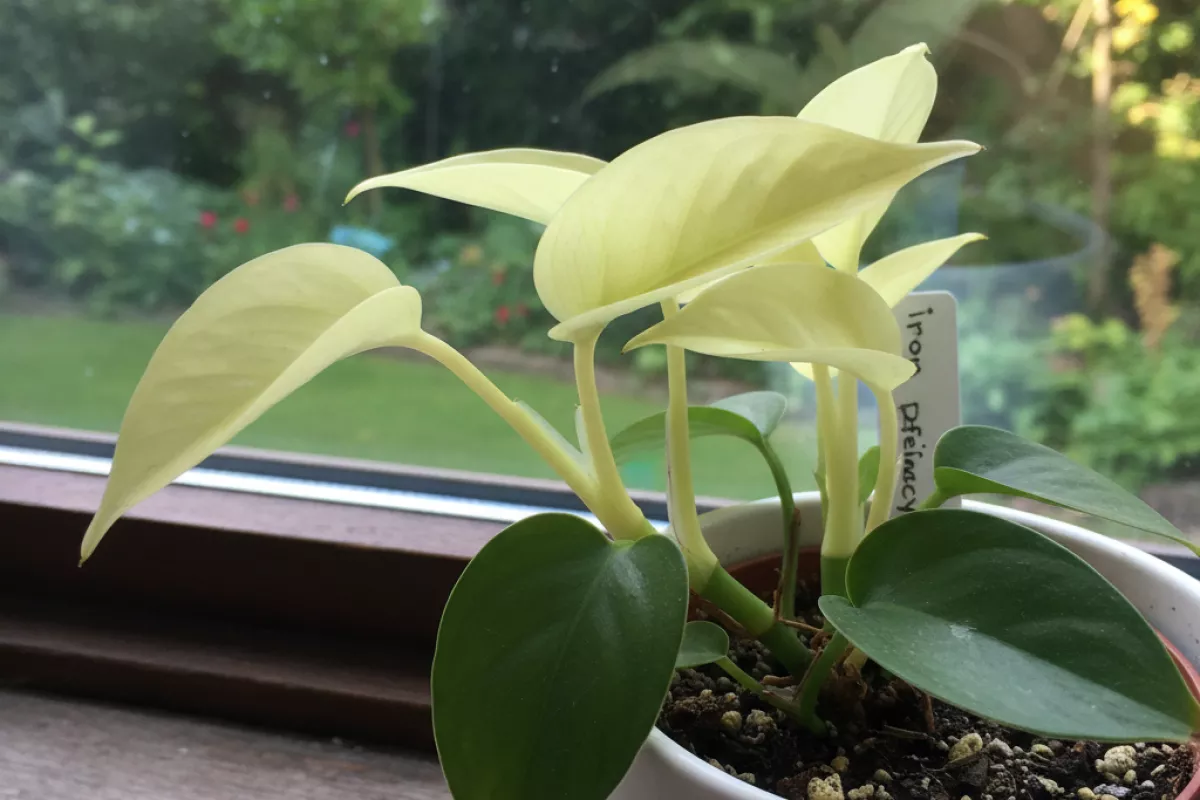
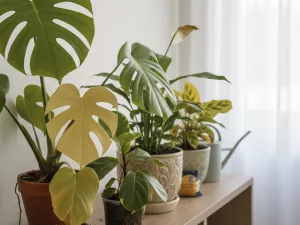
When the freshest leaves emerge light yellow, creamy, or almost white instead of filling in green, it usually means the plant can’t make enough chlorophyll fast enough. That’s less about “old leaves wearing out” and more about a bottleneck in nutrients, roots, light, or temperature right at the growing tips.
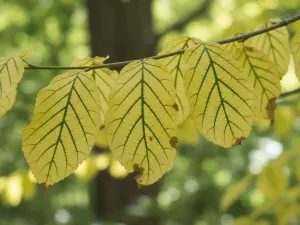
- Iron unavailability (classic interveinal chlorosis on new leaves): New leaves turn pale while the veins stay greener. This often happens when soil pH is too high for iron uptake, or when roots are stressed and can’t absorb micronutrients efficiently.
- Other micronutrient shortages that show up first in young tissue: Manganese and zinc issues can also cause washed-out new growth, sometimes with faint mottling or small, narrow leaves. These problems are more common in alkaline mixes, heavily limed soil, or containers that have been in the same potting mix too long.
- Root stress (waterlogging, compaction, or recent repotting): If roots are short on oxygen from soggy soil, or damaged from transplanting, the plant may push out new leaves that stay pale because uptake is temporarily impaired. You may also notice slowed growth or limp stems even when the soil is wet.
- Low light or abrupt light changes: In dim conditions, new foliage can emerge lighter and thinner, then struggle to deepen in color. Sudden moves from shade to strong sun can do the opposite: new leaves may look bleached or washed out from stress rather than a true deficiency.
- Cold snaps or cool root zones: Chilly nights or cold potting mix can slow nutrient transport. The newest leaves may start yellowish and only green up once temperatures stabilize.
- Fast growth outpacing nutrition: A flush of growth after pruning or spring wake-up can temporarily dilute available nutrients, especially in containers. The plant may “catch up” after a balanced feeding, but persistent paling suggests a deeper issue than simple hunger.
A quick way to interpret the pattern is to compare where the yellowing starts and how it looks. New-leaf paling with greener veins points you toward micronutrients and pH; uniform light color across the whole new leaf leans more toward general uptake problems (roots, water, temperature, or overall fertility).
| What you see on the newest leaves | Most likely direction to investigate |
|---|---|
| Yellow between veins, veins stay green | Iron availability and pH; root health affecting micronutrient uptake |
| New leaves uniformly pale, overall growth slowed | Root stress (overwatering, compaction), low fertility, cool conditions |
| Pale new leaves plus brown, crispy patches on exposed areas | Light stress (sun scorch) or sudden environment change; check watering consistency |
| New growth small, narrow, or slightly distorted with mottled yellowing | Micronutrients like zinc/manganese; mix age, pH, and watering practices |
If only the newest leaves are affected and older leaves remain reasonably green, focus first on uptake and availability rather than adding a lot of nitrogen. Overcorrecting with strong fertilizer can worsen root stress and push salts higher, which can keep the new foliage yellow instead of helping it recover.
Micronutrient shortages affecting fresh leaves
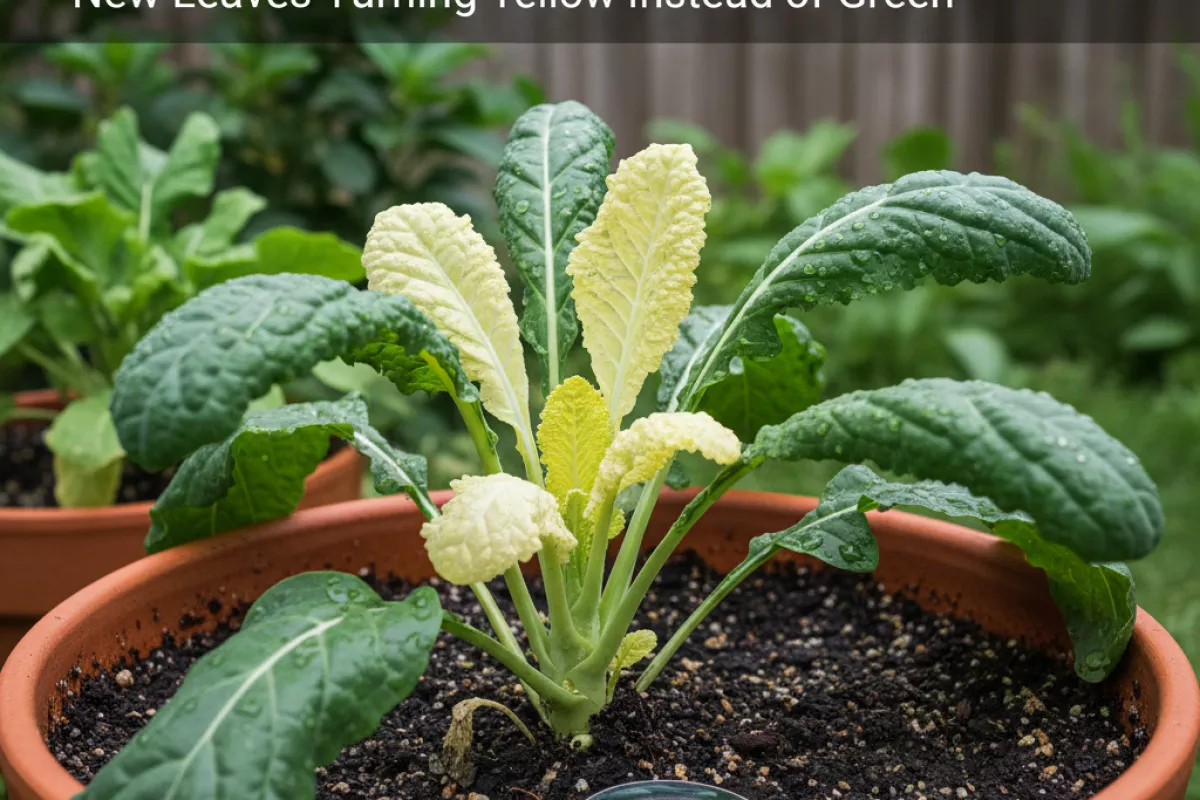
When the newest growth comes in pale yellow or almost white instead of filling in green, the problem is often a trace-element issue rather than a lack of NPK. These nutrients are needed in tiny amounts, but they’re essential for chlorophyll formation and enzyme function. The tricky part is that the plant may be sitting in “fertile” soil while still being unable to access certain minerals due to pH, waterlogging, or salt buildup.
Look closely at where the yellowing starts. Many micronutrients are relatively immobile in plants, so symptoms show up first on the freshest leaves and growing tips. If older leaves look fine while new ones wash out, it’s a strong clue you’re dealing with iron, manganese, zinc, boron, or copper availability rather than a general feeding issue.
| Micronutrient | Typical pattern on new leaves | Common triggers | What to do (practical first steps) |
|---|---|---|---|
| Iron (Fe) | Interveinal chlorosis: leaf turns yellow but veins stay greener; newest leaves most affected | High pH (often above ~7.5), cold/wet roots, compacted soil, excess phosphorus | Check pH; improve drainage/aeration; use an iron chelate appropriate to your pH; avoid overwatering |
| Manganese (Mn) | Interveinal yellowing with fine speckling or small necrotic dots as it worsens | High pH, organic matter extremes, heavy liming, poor root function | Confirm pH; apply a micronutrient blend or Mn source at label rates; keep soil evenly moist, not saturated |
| Zinc (Zn) | Small, narrow new leaves; shortened internodes; mottled chlorosis | High pH, high phosphorus, sandy soils with low organic matter | Use a complete trace mix; avoid heavy P applications; add compost to improve buffering |
| Boron (B) | Distorted, brittle new leaves; dieback of growing tips; uneven thickening | Drought followed by heavy watering, very sandy soils, over-liming | Be cautious: boron is easy to overdo; correct moisture swings; apply only a labeled, low-dose product if deficiency is confirmed |
| Copper (Cu) | New growth may be pale, twisted, or limp; tips can die back | Peaty/very organic soils, high pH, long-term lack of trace inputs | Use a trace-element fertilizer; avoid repeated high-pH amendments; improve overall soil balance |
Before adding anything, rule out “lockout” conditions. A root zone that stays soggy for more than 24–48 hours (1–2 days) can shut down uptake even when nutrients are present. Likewise, a soil pH that’s too high (common after repeated liming or alkaline irrigation water) can make iron and manganese effectively unavailable.
- Check pH first using a simple soil test; many trace issues improve once pH is brought into a reasonable range for your plant.
- Fix the root environment: loosen compaction, improve drainage, and let the top 2–5 cm (1–2 in) dry slightly between waterings if the plant tolerates it.
- Use a complete micronutrient source when symptoms aren’t clearly one element; it’s often safer than guessing a single mineral.
- Avoid stacking fertilizers: excess phosphorus can worsen iron/zinc uptake, and high salts can burn roots and mimic deficiency symptoms.
If the newest leaves green up after conditions improve, you’ve likely confirmed a trace-element availability problem. Damaged leaves may not fully recover, so judge success by the color of new growth over the next 7–21 days (1–3 weeks), not by older leaves “turning back” to normal.
Root damage that limits nutrient uptake
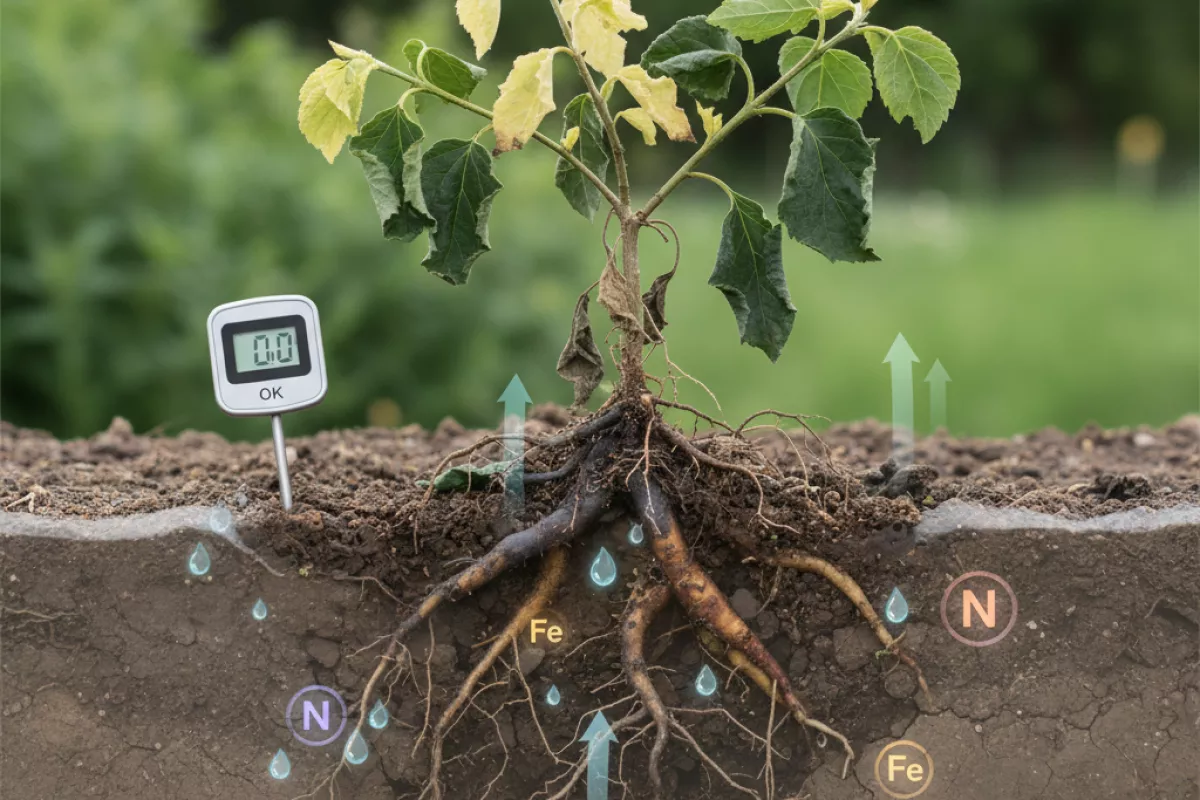
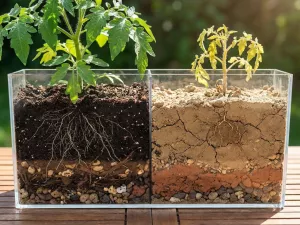
When the root system is stressed or injured, a plant can’t pull in enough nitrogen, iron, magnesium, and water to support fresh growth. The result is often pale, yellowing new leaves even when the soil seems “fine,” because the problem is happening below the surface.
Root issues usually show up as a mismatch between care and response: you water, you fertilize, and the new leaves still come in weak or lemony. That’s a clue to check for physical damage, suffocation, or rot rather than adding more plant food.
- Overwatering and poor drainage: Constantly wet soil pushes oxygen out of the root zone. Fine feeder roots die back first, which reduces nutrient uptake and can trigger yellow new growth.
- Underwatering and repeated drought: Dry cycles can kill root tips and slow transport of minerals to developing leaves. New foliage may emerge smaller, thin, and yellow-green.
- Compacted or waterlogged mix: Heavy soil, a collapsed potting mix, or a pot with no drainage holes can keep roots from breathing, even if you aren’t watering often.
- Root rot: Damaged roots turn brown/black and mushy, often with a sour smell. The plant may wilt even when the pot feels wet.
- Transplant shock or rough handling: Breaking roots during repotting or teasing them too aggressively can temporarily reduce absorption, so new leaves lose their deep green.
- Salt buildup from fertilizer or hard water: Excess salts can burn root tips and interfere with water movement, leading to chlorosis in new growth.
- Temperature stress at the roots: Cold, wet soil slows root activity; very hot containers can cook outer roots. Either one can limit mineral uptake.
| What you notice above soil | What it often means below soil | What to do next |
|---|---|---|
| New leaves yellow, older leaves mostly okay | Feeder roots aren’t functioning well; nutrients aren’t reaching fresh growth | Pause fertilizing for 1–2 weeks; check moisture habits and drainage, then reassess |
| Wilting while potting mix is wet | Low oxygen or rot; roots can’t move water upward | Unpot and inspect; trim mushy roots, refresh mix, and ensure drainage holes |
| Yellowing plus brown, crispy edges on new leaves | Root-tip burn from salts or uneven watering | Flush with clean water (e.g., 1–2 pot volumes); reduce fertilizer strength |
| Plant stalls after repotting; new growth pale | Transplant shock or root disturbance | Keep evenly moist (not soggy), provide bright indirect light, avoid feeding until growth resumes |
If you decide to inspect the roots, do it gently: slide the plant out, look for firm, light-colored roots, and note any dark, soft sections. After repotting, water thoroughly once, let excess drain, and then wait until the top 2–5 cm (1–2 in) dries before watering again (adjust for your plant and pot size).
One caution: adding more fertilizer when roots are compromised can make things worse by increasing salt stress. Stabilize the root environment first—air, moisture balance, and drainage—then address nutrient gaps once new growth starts coming in greener.
Soil pH influence on new foliage color
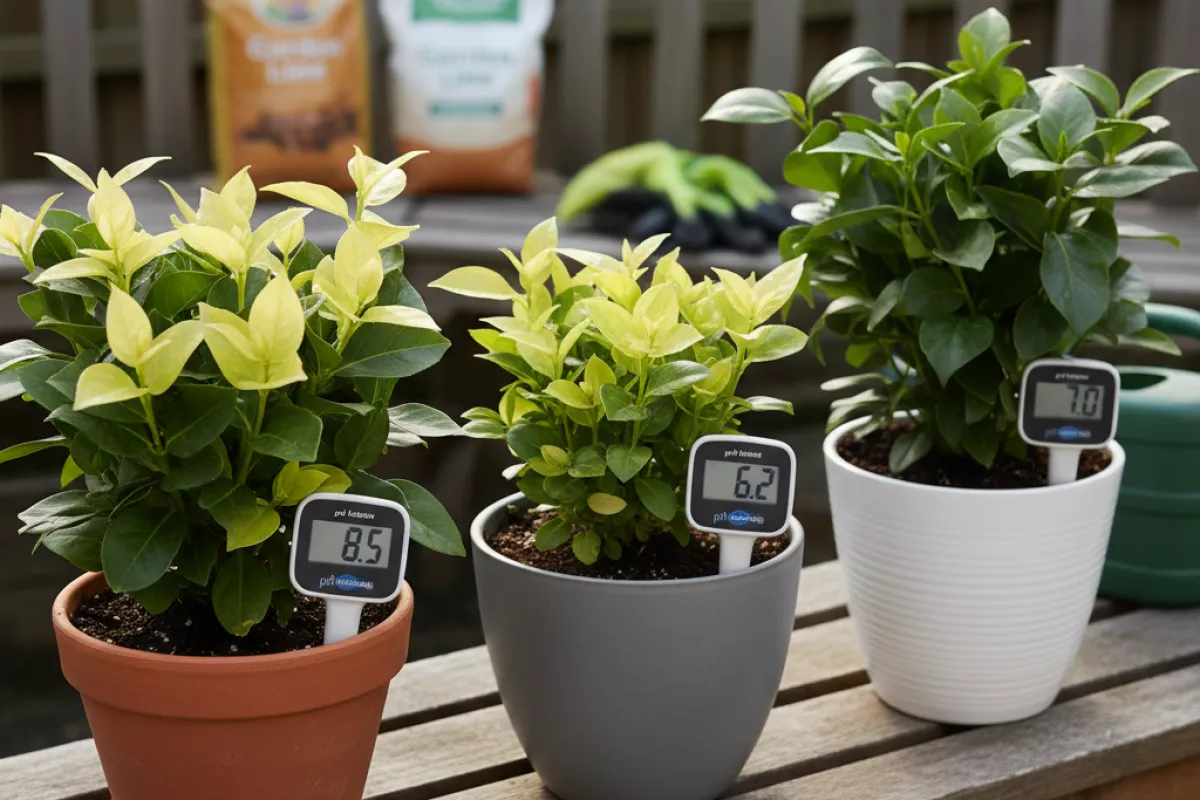
When fresh growth comes in pale or lemon-yellow, the issue is often that the roots can’t access key nutrients even if they’re present in the soil. Acidity and alkalinity control how soluble minerals are, so a plant can look “hungry” on new tips while older leaves stay greener. This is especially common with container mixes that drift over time or garden beds that have been limed repeatedly.
Most plants take up nutrients best in a slightly acidic to near-neutral range, roughly pH 6.0–7.0. Outside that window, certain elements get tied up: in alkaline conditions, iron and manganese become harder to absorb; in very acidic conditions, phosphorus and calcium availability can drop and roots may be stressed. The result can be chlorosis (yellowing) that shows up first on the newest leaves because those tissues have the highest demand.
| Soil pH range | What it can do to new leaves | Common nutrient(s) affected | Practical next step |
|---|---|---|---|
| Below 5.5 (strongly acidic) | Slow, weak new growth; yellowing can appear with overall stress | Phosphorus, calcium, magnesium | Confirm with a pH test; consider a gentle liming plan if the plant tolerates it |
| 5.5–6.5 (slightly acidic) | Usually the “sweet spot” for many ornamentals and vegetables; new foliage tends to color up normally | Balanced availability | Maintain with consistent watering and moderate fertilizing; avoid over-liming |
| 6.6–7.5 (near-neutral to mildly alkaline) | New leaves may turn yellow while veins stay greener (interveinal chlorosis) | Iron, manganese, zinc | Test pH; use an iron chelate labeled for your pH range and adjust alkalinity gradually |
| Above 7.5 (alkaline) | Persistent yellow new growth; plants can stall even with fertilizer | Iron, manganese (often), plus reduced phosphorus efficiency | Identify the cause (hard water, limestone soil); use acid-forming amendments suited to the plant and retest |
To troubleshoot, start with a pH test from the root zone rather than guessing. For pots, test the potting mix and the water you use; hard tap water can push the medium upward over weeks. For in-ground plants, sample a few spots around the drip line and mix them together for a more reliable reading.
- If pH is high: prioritize iron availability first (new growth needs it immediately). Chelated iron can green up foliage faster than trying to change the soil overnight.
- If pH is low: avoid “more fertilizer” as the first move; correcting acidity and improving root conditions often restores color better than extra nitrogen.
- Retest after adjustments: give amendments time, then check again in about 4–8 weeks; that’s roughly 1–2 months (4–8 weeks) for many mixes and beds to show a measurable shift.
Keep in mind that some plants naturally prefer a narrower range (for example, acid-loving shrubs). If you’re growing those in neutral or alkaline ground, yellow new leaves can be a recurring pattern unless you tailor the soil reaction to the plant’s preference.
Differences between iron and nitrogen deficiency
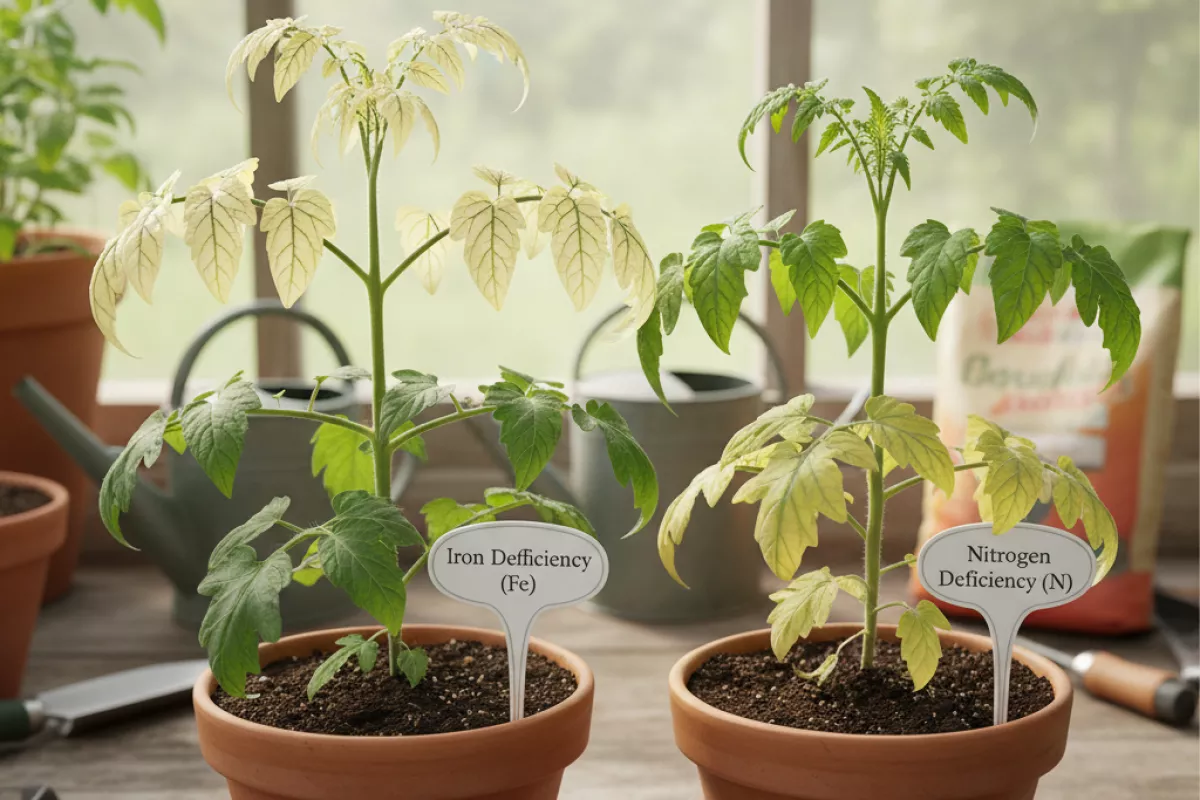
When new growth turns pale, the quickest way to narrow down the cause is to look at which leaves are yellowing first and what the veins look like. Iron and nitrogen problems can both lighten foliage, but they show up in different places on the plant and progress in different patterns.
| What to check | Iron deficiency (Fe) | Nitrogen deficiency (N) |
|---|---|---|
| Where symptoms start | Newest leaves and growing tips first | Oldest, lower leaves first |
| Yellowing pattern | Interveinal chlorosis: leaf tissue yellows while veins stay greener, creating a “netted” look | More uniform yellowing across the whole leaf, including veins |
| How fast it shows up | Can appear quickly after pH or watering issues limit uptake | Usually develops gradually as the plant uses up available nitrogen |
| Plant growth habit | New growth may be small, pale, and delicate; tips can look stalled | Overall plant looks less vigorous; stems may be thinner and growth slows broadly |
| Typical triggers | High soil pH (alkaline conditions), cool/wet roots, compacted soil, overwatering, or excess phosphorus tying up iron | Under-fertilizing, depleted potting mix, heavy rain/leaching, or fast growth outpacing feeding |
| Quick “sanity checks” | If the newest leaves are yellow but older leaves stay fairly green, iron is more likely | If the oldest leaves yellow first and the plant looks generally pale, nitrogen is more likely |
| What helps (in plain terms) | Correct pH and root conditions first; then consider an iron source (often chelated iron) if needed | Provide a balanced feed with adequate nitrogen; avoid overcorrecting with a single heavy dose |
One more clue: iron is immobile in most plants, so they can’t easily move it from old leaves to new ones—new leaves suffer first. Nitrogen is more mobile, so the plant will reallocate it to fresh growth, leaving older foliage to fade.
If you’re still unsure, check for non-nutrient lookalikes before adding anything: cold, soggy soil can mimic iron chlorosis, and a rootbound container can mimic low nitrogen by limiting uptake. Fixing watering, drainage, and root space often improves color within 7–14 days (1–2 weeks) even before you change fertilizer.
How to restore healthy green growth
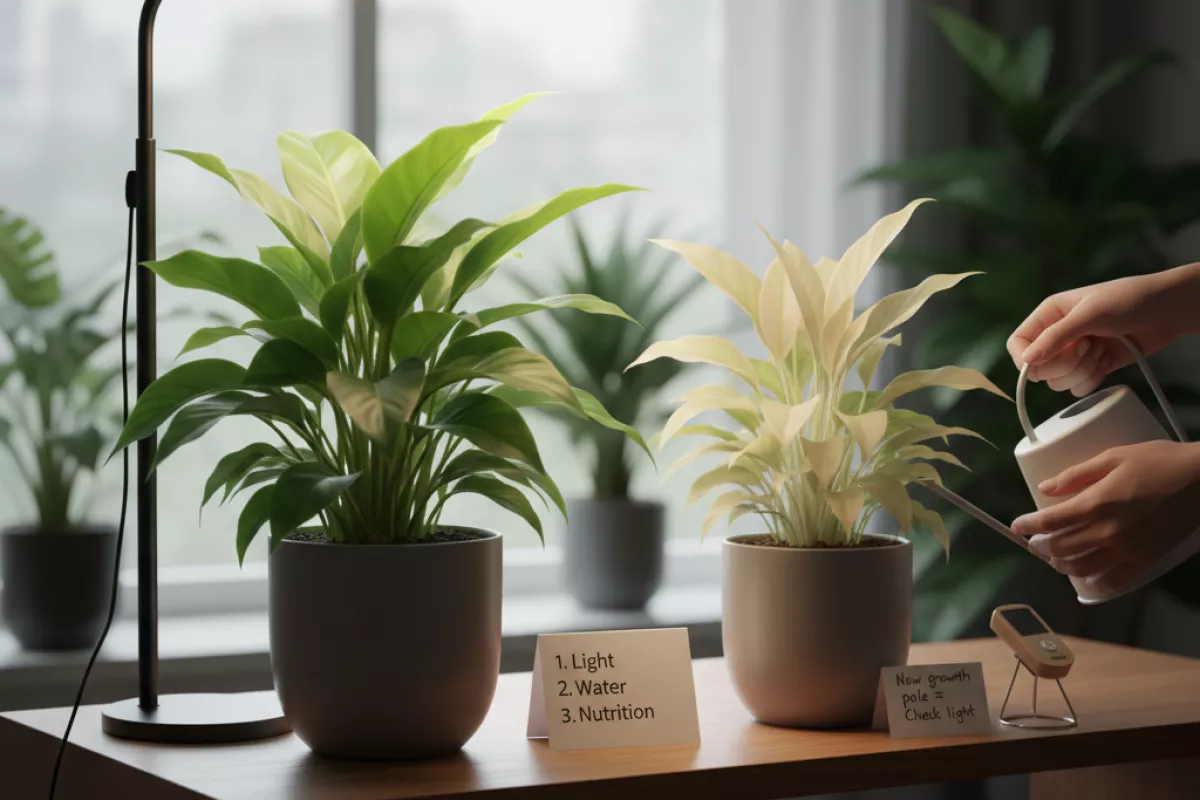
Get new foliage back to a normal green by correcting the most likely bottleneck first: light, watering, and nutrition. Make one change at a time, then watch the next 1–3 leaves (not the already-yellow tissue) for improvement.
-
Check light before you change anything else.
Pale, lemony new growth often shows up when a plant is growing faster than it can photosynthesize. Move it to brighter indirect light, or add a grow light for 10–12 hours per day. If you’re increasing sun exposure, do it gradually over 7–10 days to avoid scorch.
-
Reset watering so roots can absorb nutrients.
Both soggy soil and repeated drought can block uptake and cause yellowing. Water thoroughly until excess drains, then wait until the top 2–5 cm (1–2 in) is dry for most houseplants. Empty saucers so the pot isn’t sitting in water. If the mix stays wet for more than 5–7 days, consider repotting into a chunkier, faster-draining medium.
-
Rule out pH and mineral issues (especially with tap water).
If your water is hard, minerals can build up and lock out iron and other micronutrients, leading to chlorosis in fresh leaves. Flush the pot with 3× the container volume of water (for example, 3 L for a 1 L pot, or 0.8 gal for a 0.27 gal pot) every 4–8 weeks, or switch to filtered/rain water. If you use a saucer, flush in a sink or tub so salts actually leave the pot.
-
Feed lightly, but consistently, during active growth.
New leaves turning yellow instead of green can come from low nitrogen, iron, magnesium, or general underfeeding. Use a balanced fertilizer at 1/4–1/2 strength every 2–4 weeks in spring and summer (or year-round for plants under strong lights). If symptoms are mainly on the newest leaves with greener veins, a micronutrient supplement (iron/manganese) can help, but only after watering and drainage are corrected.
-
Inspect roots if the problem persists.
If new growth keeps emerging pale after 2–3 weeks of improved care, slide the plant out of the pot. Healthy roots are firm and light-colored; dark, mushy roots suggest rot. Trim damaged roots, repot into fresh mix, and choose a pot with drainage. After repotting, keep the soil slightly moist (not wet) for 7–10 days to encourage recovery.
-
Stabilize temperature and humidity.
Cool nights, hot drafts, or very dry air can slow chlorophyll formation in tender leaves. Aim for steady conditions around 18–27°C (65–81°F) and avoid vents. If humidity is consistently below 40%, raise it to 45–60% with grouping plants or a humidifier, especially for tropical species.
| What you see on new leaves | Most likely cause | What to do first |
|---|---|---|
| Overall pale yellow, slow growth | Too little light or chronic underfeeding | Increase bright indirect light; start a light, regular feeding schedule |
| Yellow between veins, veins stay greener | Iron/manganese lockout (often pH/mineral buildup) | Flush salts; switch to softer water; consider micronutrients after drainage is confirmed |
| New leaves small, pale, and the pot stays wet | Root stress from overwatering/poor aeration | Let mix dry appropriately; repot into a faster-draining medium if it won’t dry in 5–7 days |
| New leaves pale after a recent move to sun | Light shock or mild scorch developing | Step back to bright shade; re-acclimate over 7–10 days |
Give it time: the yellow portions usually won’t turn fully green again, but the next flush of leaves should. If fresh growth continues to come in yellow after you’ve corrected light and watering, focus on water quality and micronutrients next.
Preventing recurrence in future growth cycles
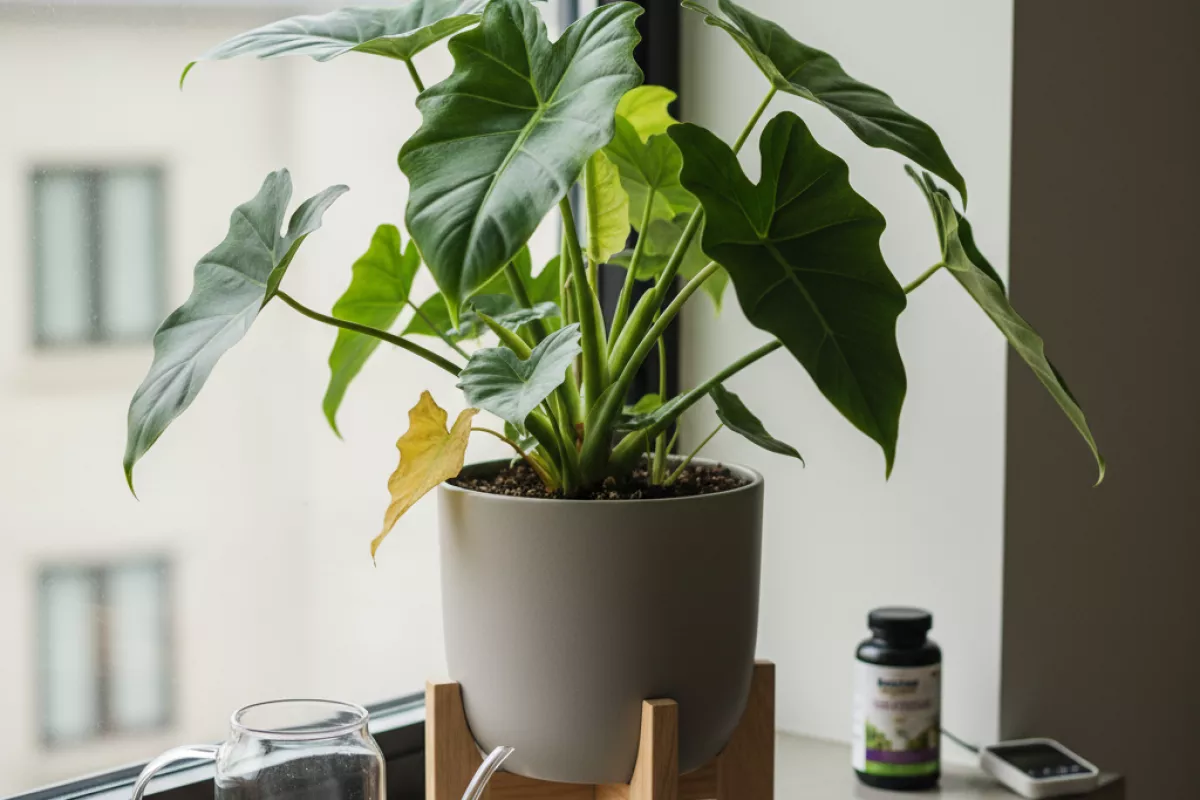
Stop the next flush of pale, yellowing new growth by setting up steadier conditions before the plant pushes fresh leaves. Most “new leaves turning yellow instead of green” episodes come from a mix of inconsistent watering, nutrient lockout from pH drift, and roots that can’t keep up (from compaction, cold, or overwatering). The goal is to make uptake predictable so chlorophyll can form normally as leaves expand.
- Reset your watering rhythm (and verify drainage). Water deeply, then wait until the top 2–5 cm (1–2 in) of mix dries before watering again for most houseplants. Empty saucers after 10–15 minutes so roots aren’t sitting in water. If the pot feels heavy for days, the mix is likely staying too wet and stressing roots.
- Use the right fertilizer approach for your plant and season. During active growth, feed lightly but regularly rather than “big” doses. A common safe baseline is 1/4–1/2 strength fertilizer every 2–4 weeks (or follow label rates if using a slow-release product). If new leaves are yellow with greener veins, include a micronutrient source (iron, manganese) rather than only nitrogen.
- Keep pH in the uptake-friendly range. Many micronutrient problems are really pH problems. For most container plants, aim roughly for pH 6.0–7.0; for acid-lovers (azalea, blueberry), closer to pH 4.5–5.5. If you suspect salts or pH drift, flush the pot with clean water equal to about 3× the container volume (for example, 3 L (0.8 gal) through a 1 L (0.26 gal) pot), then resume lighter feeding.
- Repot before roots get stressed. If roots circle the pot or the mix has turned dense and hydrophobic, repot 2–5 cm (1–2 in) wider with fresh, airy medium. This prevents the “can’t absorb iron even though it’s there” pattern that often shows up as yellow new leaves.
- Stabilize light so new growth can green up. Sudden moves from low light to strong sun can bleach tender leaves, while too little light limits chlorophyll production. Increase brightness gradually over 7–14 days, and rotate the pot weekly so growth stays even.
- Protect temperature and humidity during leaf expansion. Cool roots slow nutrient uptake, especially iron. Keep most tropical houseplants around 18–27°C (65–81°F) and avoid cold windowsills or drafts. If indoor air is very dry, aim for 40–60% humidity; use grouping or a humidifier rather than constant misting if fungal issues are a concern.
- Check water quality if the problem keeps returning. Very hard water can raise pH and contribute to chlorosis. If you see crusty mineral buildup, alternate with filtered or rainwater, or periodically flush as noted above.
- Build a quick monitoring habit. When a new leaf emerges, note its color for the first 7–10 days. If it starts yellowing early, check soil moisture, temperature, and pH before adding more fertilizer. Correcting the root environment early is usually more effective than chasing symptoms on the leaf.
| What to standardize | Simple target to prevent yellow new leaves |
|---|---|
| Watering | Let top 2–5 cm (1–2 in) dry; no standing water in saucers after 10–15 minutes |
| Feeding | Light, consistent nutrition during active growth; include micronutrients if chlorosis repeats |
| pH / salts | Keep most plants near pH 6.0–7.0; flush with ~3× pot volume if buildup is suspected |
| Root space & soil structure | Repot when rootbound; use an airy mix so roots get oxygen |
| Light changes | Increase brightness gradually over 7–14 days; avoid abrupt sun exposure |
| Temperature | Keep roots and foliage stable around 18–27°C (65–81°F); avoid cold drafts |
If you implement only two changes, make them these: improve root aeration (better mix, better drainage, less soggy time) and keep nutrition/pH steady. Those two steps prevent most cases where fresh growth stays yellow and never fully transitions to a healthy green.